What public health agencies say about Zika virus in pregnancy, how testing works, and which travel and prevention steps protect parents and babies.
Why Zika matters most in pregnancy
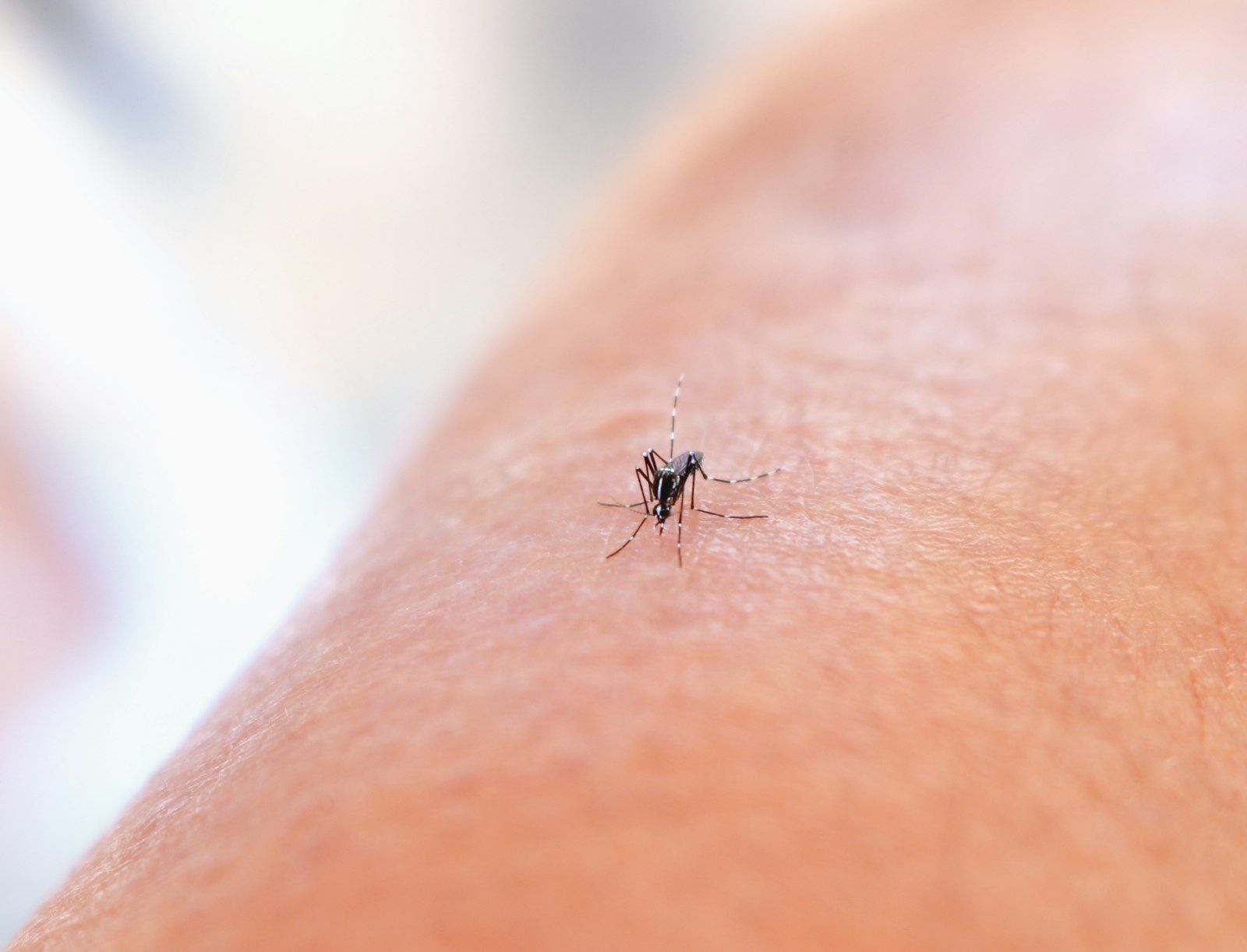
Zika virus is spread mainly by Aedes mosquitoes, above all Aedes aegypti, which bite during the day, according to the European Centre for Disease Prevention and Control. The World Health Organization states that infection during pregnancy causes microcephaly and other congenital malformations, together called congenital Zika syndrome. These can include limb contractures, high muscle tone, eye abnormalities and hearing loss. WHO estimates that 5 to 15 percent of infants born to women infected in pregnancy show Zika-related complications. Malformations can follow both symptomatic and asymptomatic maternal infection, so feeling well does not rule out harm. Infection in pregnancy is also linked to fetal loss, stillbirth and preterm birth, which is why public health agencies treat Zika as a serious prenatal concern rather than a mild rash illness.
How Zika spreads and who is at risk
Aedes mosquitoes transmit Zika, and they bite during daylight hours, so daytime protection matters. The virus also spreads through sexual contact, and the European Centre for Disease Prevention and Control reports sexual transmission via semen, in one case as late as five to six weeks after the man's symptoms began. Mother-to-child transmission can occur, most probably across the placenta or during delivery. The Pan American Health Organization states that about one in four infected people develops symptoms, usually mild and lasting two to seven days. About 80 percent of infections are asymptomatic, according to ECDC. That means many travellers never know they were infected, yet the virus can still affect a pregnancy. Risk therefore depends on exposure and timing, not on whether someone felt unwell.
Symptoms and the limits of self-diagnosis
When symptoms appear, they are usually mild and last around two to seven days: rash, mild fever, joint and muscle pain, conjunctivitis, headache and lower back pain. The NHS lists a high temperature, sore red eyes and an itchy rash among the common signs, and notes that most people have few or no symptoms. The incubation period is three to twelve days according to ECDC, and three to fourteen days according to PAHO. These overlapping, non-specific symptoms mean you cannot diagnose Zika by how you feel. Dengue and other flaviviruses cause similar illness, and antibody tests can cross-react between them, so laboratory confirmation matters. Anyone with symptoms after travel to an area with known transmission should seek medical advice rather than guess.
Testing: what samples and timing show
Diagnosis needs laboratory confirmation, by RT-PCR or IgM antibody testing, according to WHO. Timing changes which test is useful. ECDC states that viral RNA can be detected in blood and saliva usually during the first three to five days after symptom onset, sometimes up to seven or eight days, and in several cases from urine up to two to three weeks after onset. Serological testing for Zika-specific IgM antibodies can be done from day five. PAHO notes that PCR is useful in the first three to five days, with serology only after five days. Positive antibody results must be distinguished from cross-reacting flaviviruses such as dengue. If you are pregnant and have travelled to an area with Zika risk, a midwife or obstetrician may arrange blood tests and ultrasound scans to check the baby's growth and development.
Travel advice for pregnancy and planning
Public health bodies take different wording but a similar position. ECDC advises that pregnant women and women planning pregnancy who intend to travel to areas with widespread transmission should postpone non-essential travel, and that those travelling to areas with sporadic transmission should consult a physician or travel clinic. The NHS advises considering avoiding travel to a country with Zika risk when pregnant or planning a pregnancy soon. PAHO and WHO do not recommend general travel restrictions, but advise pregnant women not to travel to areas with ongoing outbreaks. These are precautionary steps, not proof that every trip causes harm. If travel is unavoidable, plan around the guidance and speak to a clinician before departure, especially if pregnancy is confirmed or possible.
Safer sex, returning travellers and testing windows
Sexual transmission means return from a risk area can matter even without a mosquito bite abroad. According to WHO, travellers returning from areas with transmission should practise safer sex or abstain for three months for men and two months for women. The NHS gives the same three-month and two-month windows, and says that if already pregnant, condoms should be used during and after the visit and for the rest of the pregnancy. If pregnancy is possible, use condoms in an area where Zika is found. WHO advises pregnant women to practise safer sex, including correct and consistent condom use, or abstain for the whole pregnancy. Seek an urgent GP appointment or NHS 111 after recent travel if symptoms appear, if either partner is pregnant, or if either becomes pregnant within three months of returning.
Prevention, treatment and when to seek care
There is no specific treatment and no vaccine for Zika. Care is rest, fluids and symptom relief, according to WHO. Prevention relies on avoiding bites and reducing mosquito breeding. PAHO advises removing standing water from containers, covering skin, using repellents and using daytime nets. WHO names repellents containing DEET, IR3535 or icaridin, plus covering clothing and mosquito nets, as bite protection for pregnant women in areas with transmission. Physical barriers work only when intact and correctly used. Rarely, Zika causes Guillain-Barre syndrome; numbness, pins and needles or muscle weakness need emergency care. Pregnant women living in areas with transmission, or who develop symptoms, should seek medical attention for testing, counselling and care. WHO notes that pregnant women living in areas with transmission, or who develop symptoms, should seek medical attention for testing, counselling and care, including avoiding bites and using repellents.
Sources
- Zika virus: World Health Organization
- Factsheet about Zika virus disease: European Centre for Disease Prevention and Control
- Zika virus - NHS: NHS
- Zika: Symptoms, Prevention and Treatments - PAHO/WHO: Pan American Health Organization
This article is general information, not medical advice. Ask a doctor or pharmacist about your own health.