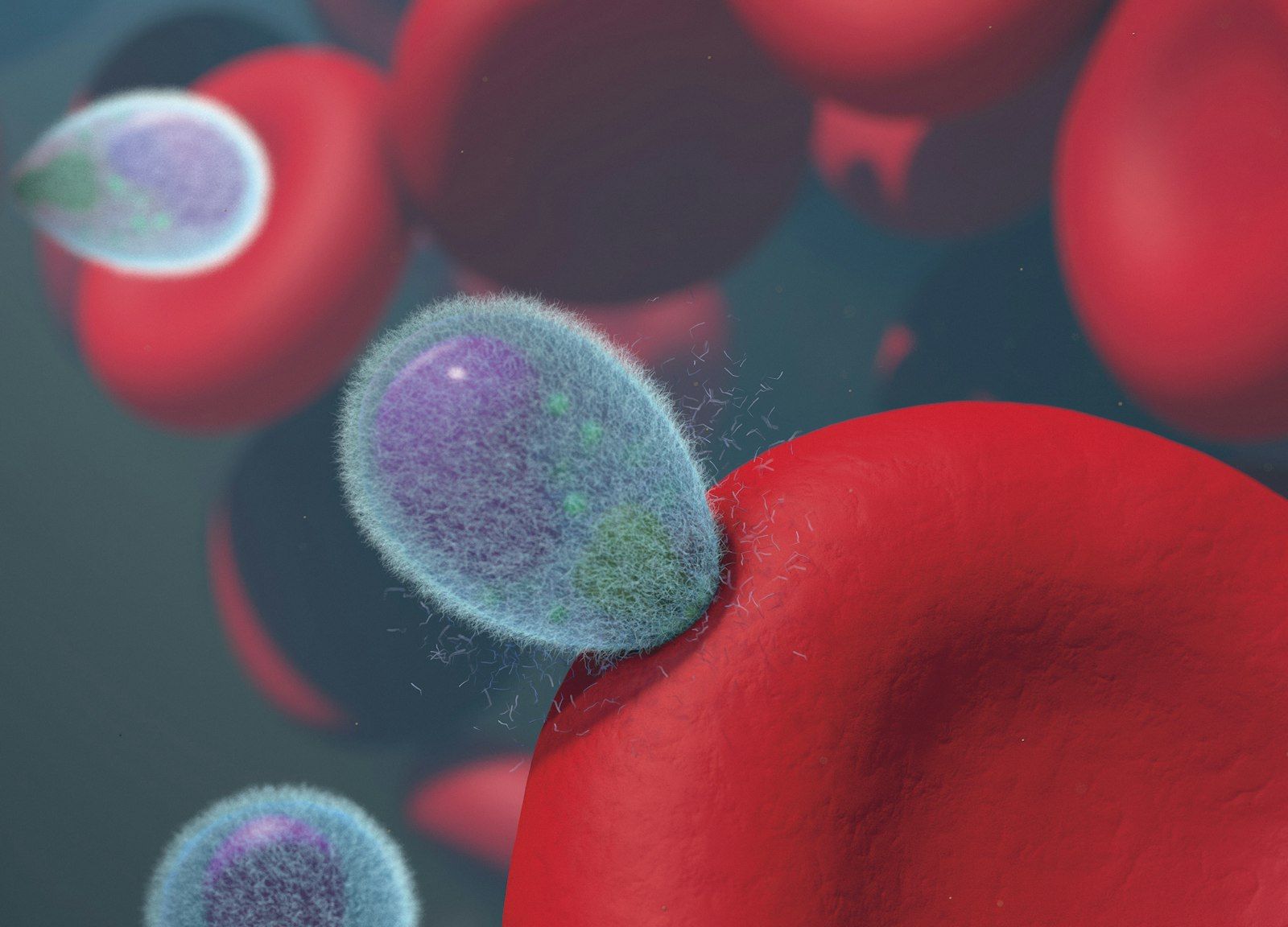
Malaria is a preventable and curable disease spread by some mosquito bites. Learn the symptoms, how it spreads and the practical steps that cut your risk.
What malaria is
Malaria is a life-threatening disease caused by a parasite, and it spreads to people through the bites of some infected female Anopheles mosquitoes. The World Health Organization states that the infection does not pass from person to person like a cold. Globally in 2024, there were an estimated 282 million malaria cases and 610 000 malaria deaths across 80 countries. The WHO African Region carried 95% of cases and 95% of deaths. Other routes exist but are rare. Blood transfusion, contaminated needles and, according to the European Centre for Disease Prevention and Control, organ transplants can transmit the parasite. A pregnant mother can also pass it to her baby before birth. Malaria is preventable and curable when it is recognised and treated in time.
Where malaria occurs
Malaria is found in tropical regions, including large areas of Africa and Asia, Central and South America, the Dominican Republic and Haiti, parts of the Middle East and some Pacific islands. The NHS states plainly that malaria is not found in the UK. The US Centers for Disease Control and Prevention reports that malaria is not endemic in the United States, and that a typical year brings about 2 000 cases, mostly in people who caught the infection while travelling abroad. This pattern matters for readers in high-income countries. The disease is often imported rather than locally acquired. That means your main risk usually appears when you travel, or when a relative travels to see family. Knowing the map of risk helps you plan ahead rather than react late.
How it spreads
Most people get malaria from the bite of an infective mosquito. The parasite enters the blood, and symptoms usually begin after a delay. The WHO puts that delay at 10 to 15 days after the bite, while the European Centre for Disease Prevention and Control says 7 to 15 days. Bites from infected female Anopheles mosquitoes are the main route. Malaria is not spread like the common cold or flu, and the CDC states that it is not sexually transmitted. Rare routes include blood transfusion, sharing needles, organ transplants and transmission from a pregnant mother to her baby. The mosquitoes that carry malaria are most active in the evening and at night, which is why the NHS advises covering arms and legs at that time.
Symptoms and why speed matters
Symptoms usually include fever, chills, headache, muscle aches and a general feeling of malaise. Because these signs are common to many illnesses, malaria can be missed. The WHO warns that untreated P. falciparum malaria can progress to severe illness and death within 24 hours. The NHS says you can die from malaria if it is not diagnosed and treated quickly. The CDC adds that starting treatment as soon as possible can often prevent severe illness and death. This is the core message: malaria is serious, but early treatment works. If you develop a fever during or after travel to a malaria area, seek medical advice the same day and mention where you have been. Do not wait to see whether it settles on its own.
Prepare before you travel
Preparation starts weeks before departure. The NHS advises getting advice from a GP, nurse, pharmacist or travel clinic at least 4 to 6 weeks before you travel to an area where malaria is found. The European Centre for Disease Prevention and Control says to ask your doctor whether preventive treatment is required and, if so, which one. Antimalarial tablets are a medical decision, not a shopping choice, so discuss your destination, your health and any medicines you already take. The CDC notes that most US cases occur in travellers, which shows how much depends on planning. If you are arranging a trip for a vulnerable relative, such as an older person or a young child, build this appointment into the plan early and keep the advice with the travel documents.
Reduce bites on the ground
Once you arrive, physical barriers and repellents do real work when they are correctly specified and correctly used. The NHS advises using insect repellent on your skin that is 50% DEET-based, sleeping under mosquito nets treated with insecticide, and wearing long-sleeved clothing and trousers to cover your arms and legs in the evening, when mosquitoes are most active. The European Centre for Disease Prevention and Control recommends insecticide-treated bed nets and clothing that covers most of the body, with repellent on exposed skin. The WHO describes malaria as preventable. Treat these measures as layers, not alternatives. A treated net that is torn, or repellent applied once at sunset, gives less protection than a plan you follow every evening. Reapply as directed and check nets before sleep.
What to do if you feel unwell
Fever after travel deserves attention, not patience. The WHO notes that malaria does not spread from person to person, so there is no risk of passing it through casual contact, but the illness itself can move fast. Tell the clinician where you travelled, when you returned and whether you took preventive tablets, because that detail guides testing. The CDC and the NHS both stress that prompt diagnosis and treatment save lives. If you are caring for a relative who cannot easily describe their travel history, write it down for them. Keep records of destinations and dates. This article gives general public-health information. It does not replace a personal medical assessment, so contact a qualified clinician for advice about your own situation.
Sources
- Malaria: World Health Organization
- Malaria - NHS: National Health Service (England)
- About Malaria | Malaria | CDC: US Centers for Disease Control and Prevention
- Malaria: European Centre for Disease Prevention and Control
This article is general information, not medical advice. Ask a doctor or pharmacist about your own health.