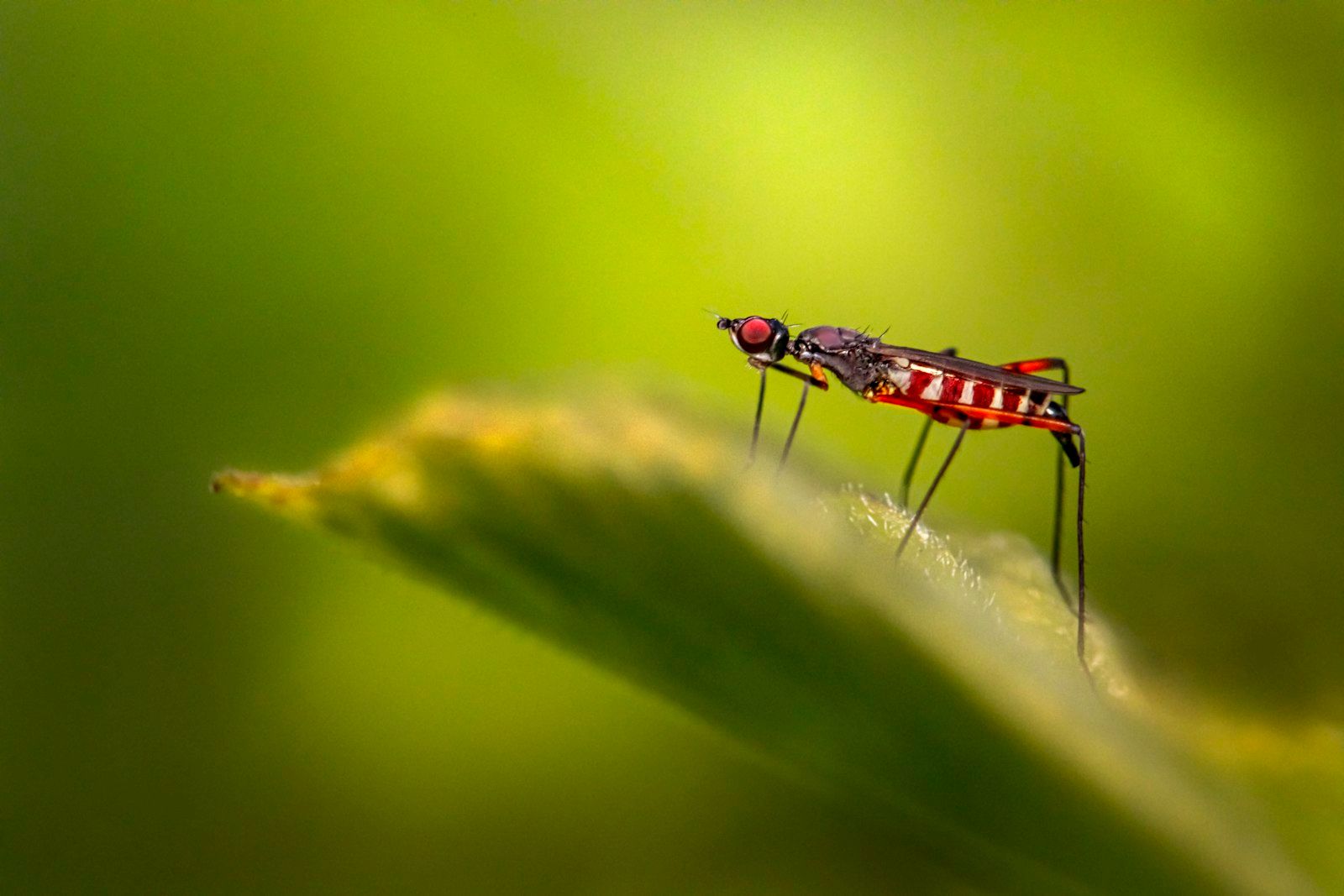
Malaria is a preventable, curable infection spread by certain mosquitoes. Learn how it spreads, who is at risk, and the practical steps that lower risk.
What malaria is and why it matters
Malaria is a life-threatening disease spread to humans by some types of mosquitoes, and it is preventable and curable. The World Health Organization states that the infection is caused by a parasite and does not spread from person to person. Most cases come from the bite of an infected female Anopheles mosquito. The European Centre for Disease Prevention and Control states that malaria leads to roughly 250 million infections every year and results in over 600,000 deaths. Malaria is serious, but the message is not one of helplessness. Four separate public health agencies describe the same practical defences: nets, repellents, clothing, screens and, for travel, medical advice on preventive medicine. Understanding how the parasite reaches a person makes each step easier to apply, and knowing that treatment works quickly when started early turns a frightening topic into a manageable one.
How malaria spreads
Malaria mostly spreads through the bites of some infected female Anopheles mosquitoes. The WHO explains that the parasite enters the body during the bite, and the illness is not contagious in the way a cold is. The US Centers for Disease Control and Prevention notes that people do not spread malaria to other people and that it is not sexually transmitted. Rare routes do exist. The European Centre for Disease Prevention and Control lists blood transfusion, organ transplants and contaminated needles, and the WHO lists blood transfusion and contaminated needles. The NHS adds that a pregnant mother can rarely pass malaria to her unborn baby, and that a needlestick injury is another rare route. In a typical year, the CDC reports about 2,000 US cases, mostly in travellers returning from affected areas. That pattern shows why travel preparation matters.
Where malaria is found
Malaria is mostly found in tropical countries. The WHO describes the disease as concentrated in tropical regions, and the NHS names large areas of Africa and Asia, Central and South America, the Dominican Republic and Haiti, parts of the Middle East and some Pacific islands. Malaria is not found in the UK, and it is not endemic in the United States. That does not mean a diagnosis can be dismissed at home. It means risk is tied to place and to recent travel. Many health systems see imported cases in people who became infected abroad and returned. If you develop fever after visiting an affected area, tell the clinician where you have been and when you returned. Place is a useful clue for diagnosis, and it helps a doctor ask the right questions quickly.
Symptoms and why speed matters
Symptoms usually start within 10 to 15 days of getting bitten, according to the WHO. The NHS gives a similar window of 7 to 18 days, and the European Centre for Disease Prevention and Control states 7 to 15 days. Common signs include fever, chills, headache, muscle aches and a general feeling of malaise. Speed matters most with one parasite species. The WHO warns that, left untreated, P. falciparum malaria can progress to severe illness and death within 24 hours. The CDC agrees that starting treatment as soon as possible can often prevent severe illness and death. Do not wait for a fever to settle on its own after travel. Seek medical assessment early, describe your travel history clearly, and follow the clinician's advice about testing and treatment.
Barriers that block mosquito bites
Physical barriers are real protection when correctly specified, intact and correctly used. The WHO advises mosquito nets when sleeping where malaria is present, and it recommends window screens. The European Centre for Disease Prevention and Control highlights bed nets, especially those treated with insecticide. The CDC advises keeping windows and doors closed or covered with screens. A net only helps if it has no tears and is tucked in, and a screen only helps if it is undamaged and fits the frame. Clothing counts as a barrier too. The WHO and the CDC both recommend protective clothing, and the CDC describes loose-fitting, long-sleeved shirts and trousers with socks. Treat these items as a system, not a single purchase. Fit, condition and consistent use decide whether a barrier works on the night that matters.
Repellents and the evening hours
Repellents add a second layer, and the active ingredient matters more than the marketing. The WHO names repellents containing DEET, IR3535 or Icaridin and advises using them after dusk. The NHS advises an insect repellent that is 50% DEET-based. The CDC recommends a bug spray approved by the Environmental Protection Agency. The European Centre for Disease Prevention and Control advises applying repellent to the visible parts of the skin. Timing is part of the method. The CDC advises avoiding areas with high mosquito activity, especially during late evening and at night, and the NHS recommends long sleeves and trousers in the evening. Read the label, apply as directed, and reapply according to the product instructions. A repellent used patchily or forgotten after dusk leaves gaps that a biting mosquito will find.
Planning ahead and getting help
For travel, planning is the strongest step. The NHS advises getting advice at least four to six weeks before departure. The WHO states that travellers should talk to a doctor about chemoprophylaxis, which in some cases must be started two to three weeks before departure. The European Centre for Disease Prevention and Control advises asking a doctor whether preventive treatment is required and, if so, which one. Take any prescribed antimalarial medicine as directed. The CDC adds that treatment should start as soon as possible if illness develops. If you feel unwell after returning from an affected area, say so plainly when you seek care. Tell the clinician where you travelled, when you returned, and whether you took preventive medicine. Clear information helps a health professional act quickly, and early action is what protects people most effectively.
Sources
- Malaria: World Health Organization
- Malaria - NHS: National Health Service (England)
- About Malaria | Malaria | CDC: US Centers for Disease Control and Prevention
- Malaria: European Centre for Disease Prevention and Control
This article is general information, not medical advice. Ask a doctor or pharmacist about your own health.