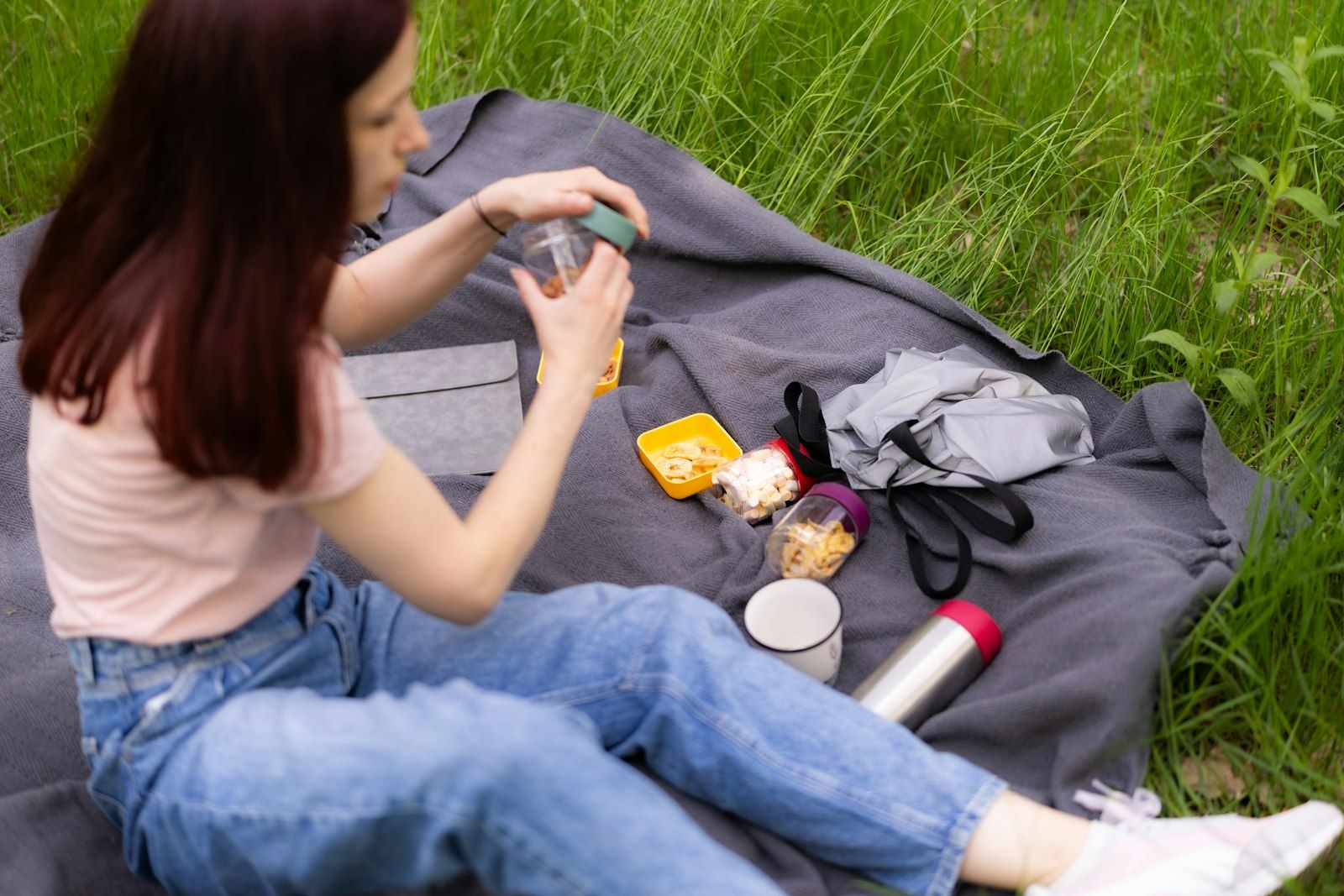
Practical, evidence-based steps to reduce mosquito bites during Australian camping, fishing and gardening, from repellents and clothing to screens and water container control.
Why mosquito bites matter in Australia
Mosquito bites are more than an irritation in Australia. Healthdirect notes that some illnesses are transmitted by mosquitoes, including malaria, Dengue fever and the Zika virus. It also describes Barmah Forest virus as mosquito-borne and found only in Australia. Ross River virus is spread by mosquitoes, with symptoms including fever, rash and joint pain, and most people recover in a few weeks. Murray Valley encephalitis is described as a rare illness caused by a mosquito-borne virus. The same guidance advises readers to avoid mosquito bites and stay informed about outbreaks. WHO notes that vector-borne diseases account for more than 17% of all infectious diseases, causing more than 700 000 deaths annually, and that many are preventable through protective measures and community mobilization. Many of these diseases are preventable through protective measures and community mobilisation. Risk varies by place, season and activity, so preparation matters.
Plan your site before you set up camp
Where you pitch and sit shapes your exposure. The World Health Organization states that window and door screens and air conditioning reduce the risk of mosquitoes coming into contact with household members. In a tent, that principle translates into keeping mesh doors closed and repairing tears before a trip. The CDC advises checking water-holding containers and, once a week, emptying and scrubbing, turning over, covering or throwing out items such as tires, buckets, toys, pools, birdbaths, flowerpot saucers or trash containers. Around a campsite, look for standing water in tarpaulins, coolers, buckets and boat covers. Pitch away from still water and dense vegetation where mosquitoes rest. Choose a breezy, open spot when you can. Keep food and drink covered, and store gear so it cannot collect rain.
Dress for protection, not just comfort
Clothing is a physical barrier, and it works when it is correctly specified and correctly worn. The CDC advises wearing loose-fitting, long-sleeved shirts and pants. Loose fabric keeps a bite from reaching skin and stays cooler in warm weather. It also recommends clothing and gear treated with permethrin, noting that treated clothing provides protection after multiple washings. Permethrin products should not be used directly on skin, so treat garments and gear rather than people. For gardening, this means a long-sleeved shirt, long trousers and covered shoes, especially at dawn and dusk. For fishing, add a light long-sleeved layer and a hat with a brim. Tuck trousers into socks where vegetation is thick. Check cuffs, collars and waistbands, because mosquitoes find gaps. Wash treated items as the label directs.
Use repellent correctly
Repellent is a practical tool when it is applied properly. The CDC advises using Environmental Protection Agency registered insect repellents and reapplying them as directed. It also states that sunscreen should be applied first and insect repellent second. That order matters on long days outdoors, and it is simple to remember. Read the label for the interval between applications and follow it. Apply to exposed skin and thin clothing edges, avoiding the eyes, mouth and broken skin. Adults should apply repellent to children rather than letting children do it themselves. Wash hands after application and before eating. Keep a small supply in your fishing bag or garden shed so it is at hand when the evening bite starts. Reapply after swimming, heavy sweating or towelling off, as directed.
Add nets, screens and indoor protection
Structurally sound barriers stop bites without chemicals. The World Health Organization states that mosquito nets, including insecticide-treated nets, provide additional protection to people sleeping during the day or protect against other mosquitoes which can bite at night, such as malaria. For camping, a well-sealed tent with intact mesh serves the same role as a window screen at home. Check zips and repair holes before you leave. If you sleep outdoors or in an open shelter, a net is a sensible layer. Household insecticide aerosols, mosquito coils or other insecticide vaporizers may also reduce biting activity. Use such products only as the label permits, in ventilated spaces, and away from food. Keep screens closed on caravans and cabins. Treat barriers as real protection only when they are intact and correctly used.
Gardening without inviting mosquitoes
A garden can hold many small water sources. The CDC advises checking water-holding containers and, once a week, emptying and scrubbing, turning over, covering or throwing out items such as tires, buckets, toys, pools, birdbaths, flowerpot saucers or trash containers. Scrubbing removes eggs stuck to sides, which emptying alone can leave behind. Store watering cans and wheelbarrows upside down. Cover rainwater tanks and seal gaps in gutters and drains. Change birdbath water weekly and clear blocked downpipes after rain. When you work outside, plan heavy tasks for the middle of the day when biting activity is often lower, and wear long clothing. Use registered repellent on exposed skin. Keep paths clear so you can move through the garden without brushing through damp vegetation where mosquitoes rest.
Take bites seriously and seek advice
Protection reduces bites, but it does not remove every risk. Healthdirect advises avoiding mosquito bites and staying informed about outbreaks. That is practical advice for anyone travelling or spending long days outside. If a bite is followed by fever, rash or joint pain, seek medical advice and mention where and when you were bitten. These symptoms fit several mosquito-borne illnesses described by Healthdirect, including Ross River virus. Murray Valley encephalitis is described as a rare illness caused by a mosquito-borne virus, so unusual symptoms after outdoor exposure deserve attention. People who are pregnant, older, very young or unwell may wish to ask a health professional about local risk before a trip. Check official public health notices for the area you plan to visit. Do not rely on fear, rely on preparation.
Sources
- Mosquito-borne diseases | healthdirect: Healthdirect Australia
- Preventing Mosquito Bites | Mosquitoes | CDC: US Centers for Disease Control and Prevention
- Vector-borne diseases: World Health Organization
This article is general information, not medical advice. Ask a doctor or pharmacist about your own health.