Mosquito bites carry real disease risk in Australia. Learn when the season peaks, why the north differs from the south, and which simple barriers cut exposure.
What mosquito season actually means
Mosquito season is the period when adult mosquitoes are active and biting in your area. There is no single national start and end date. The US Centers for Disease Control and Prevention notes that adult mosquitoes live indoors and outdoors and can bite day and night. Adults live for about two to four weeks, depending on species, humidity, temperature and other factors. Only female mosquitoes bite people and animals, because they need a blood meal to produce eggs. Because warmth and moisture speed insect development, biting activity rises when conditions suit breeding. This is why timing differs between Darwin and Melbourne, and why a mild winter can extend activity. The practical point is simple: risk follows local conditions, not a calendar alone.
Why Australia's north and south differ
Australia covers a wide range of climates, so mosquito activity peaks at different times across the country. Warm, humid northern regions generally support mosquitoes for much of the year, while southern regions see a shorter, warmer window. This matters because more than one mosquito type is involved, and each has its own habits. The World Health Organization notes that several vectors have expanded their latitude and altitude ranges, and the length of the season during which they are active is increasing. For a household, that means the old assumption that mosquitoes are only a summer problem may no longer hold. Watch local conditions after rain and during humid spells rather than relying on a fixed date.
The diseases that make bites matter
Most mosquito bites are only itchy and sore. The CDC describes common reactions to a bite as itching and swelling. Yet some mosquitoes are vectors: an animal, insect or tick that spreads germs to people or animals and can make them sick. Nuisance mosquitoes bite but do not spread germs. Healthdirect Australia lists illnesses transmitted by mosquitoes, which it calls mozzies, including malaria, Dengue fever and the Zika virus. It also names Barmah Forest virus, found only in Australia, and Ross River virus, which causes fever, rash and joint pain, with most people recovering in a few weeks. Murray Valley encephalitis is described as a rare illness caused by a mosquito-borne virus. NSW Health notes that Japanese encephalitis is a rare but serious disease caused by a virus spread to humans by infected mosquitoes.
Serious but rare risks to know
NSW Health states that mosquitoes can transmit serious diseases. It notes that Japanese encephalitis is a rare but serious disease caused by the Japanese encephalitis virus, which is spread to humans by infected mosquitoes. Rare does not mean impossible, and public health agencies monitor these risks closely. NSW Health describes surveillance as the organised monitoring of levels of virus activity, vector populations and infections, to detect or predict changes in transmission dynamics of arboviruses. In plain terms, health teams watch mosquitoes, viruses and human cases so they can warn the public early. For readers, that work is a reason to trust official alerts and to take prevention seriously without alarm. NSW Health describes surveillance as the organised monitoring of virus activity, vector populations and infections, to detect or predict changes in transmission dynamics of arboviruses.
Protecting your body and your home
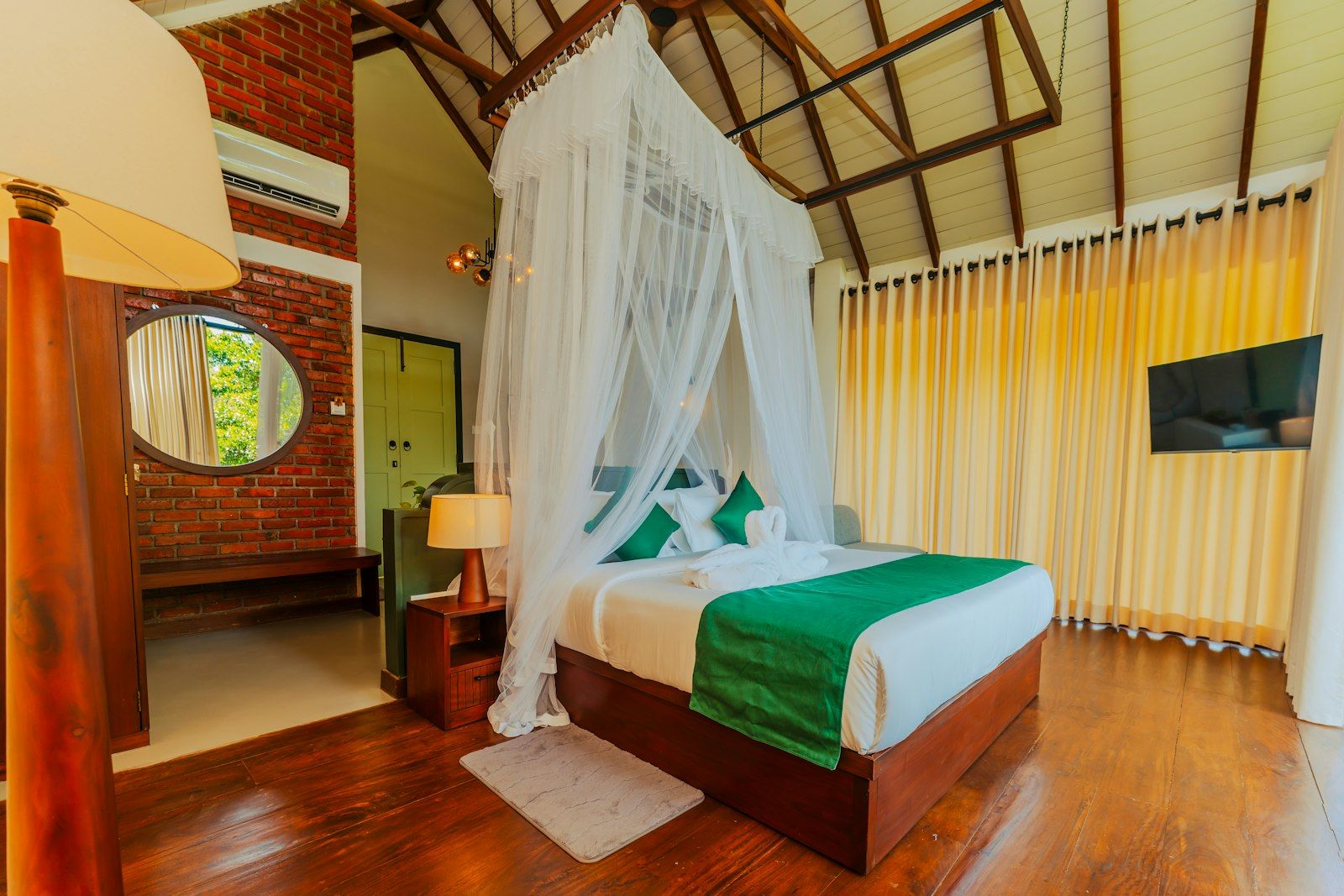
NSW Health advises wearing loose-fitting long sleeved shirts and long pants, applying mosquito repellent to exposed skin, screening windows and doors, and removing potential mosquito breeding sites at home. The WHO adds that window and door screens and air conditioning reduce the risk of mosquitoes coming into contact with household members, and that mosquito nets provide additional protection. These are physical barriers, and they work when correctly specified, intact and correctly used. A torn screen or a propped-open door undoes the benefit. Empty standing water in saucers, buckets and gutters, because still water is where many mosquitoes breed. Repellent covers exposed skin, clothing covers the rest, and screens keep the outdoors out. The World Health Organization advises that window and door screens and air conditioning reduce the risk of mosquitoes coming into contact with household members.
Scale of the problem in context
Mosquitoes are common worldwide. The CDC states that mosquitoes are common flying insects that live in most parts of the world, and over 3,700 types can be found worldwide. The WHO reports that vector-borne diseases account for more than 17% of all infectious diseases, causing more than 700,000 deaths annually. Dengue is the most prevalent viral infection transmitted by Aedes mosquitoes, with more than 3.9 billion people in over 132 countries at risk, an estimated 96 million symptomatic cases and an estimated 40,000 deaths every year. Those figures are global. Most Australian readers will not face dengue at home. The numbers explain why health agencies treat mosquito control as serious public health work. The World Health Organization reports that vector-borne diseases account for more than 17% of all infectious diseases, causing more than 700000 deaths annually.
A calm, practical plan for the season
Start with your own block. Check screens on windows and doors and repair any tears. Empty standing water around the garden, because that is where breeding begins. Keep repellent where you will actually use it, and wear long sleeves and pants at peak biting times in your area. Healthdirect Australia advises readers to avoid mosquito bites and stay informed about outbreaks, which is sensible. Follow official state health advice rather than rumour or sales pitches. If you care for a vulnerable relative, help them check screens and water containers too. None of this removes risk entirely. Together, these steps reduce exposure and give you a clear routine for the warmer months. Healthdirect Australia advises readers to avoid mosquito bites and stay informed about outbreaks in their area.
Sources
- Mosquito-borne diseases | healthdirect: Healthdirect Australia
- Vector-borne diseases: NSW Health
- About Mosquitoes | Mosquitoes | CDC: US Centers for Disease Control and Prevention
- Vector-borne diseases: World Health Organization
This article is general information, not medical advice. Ask a doctor or pharmacist about your own health.