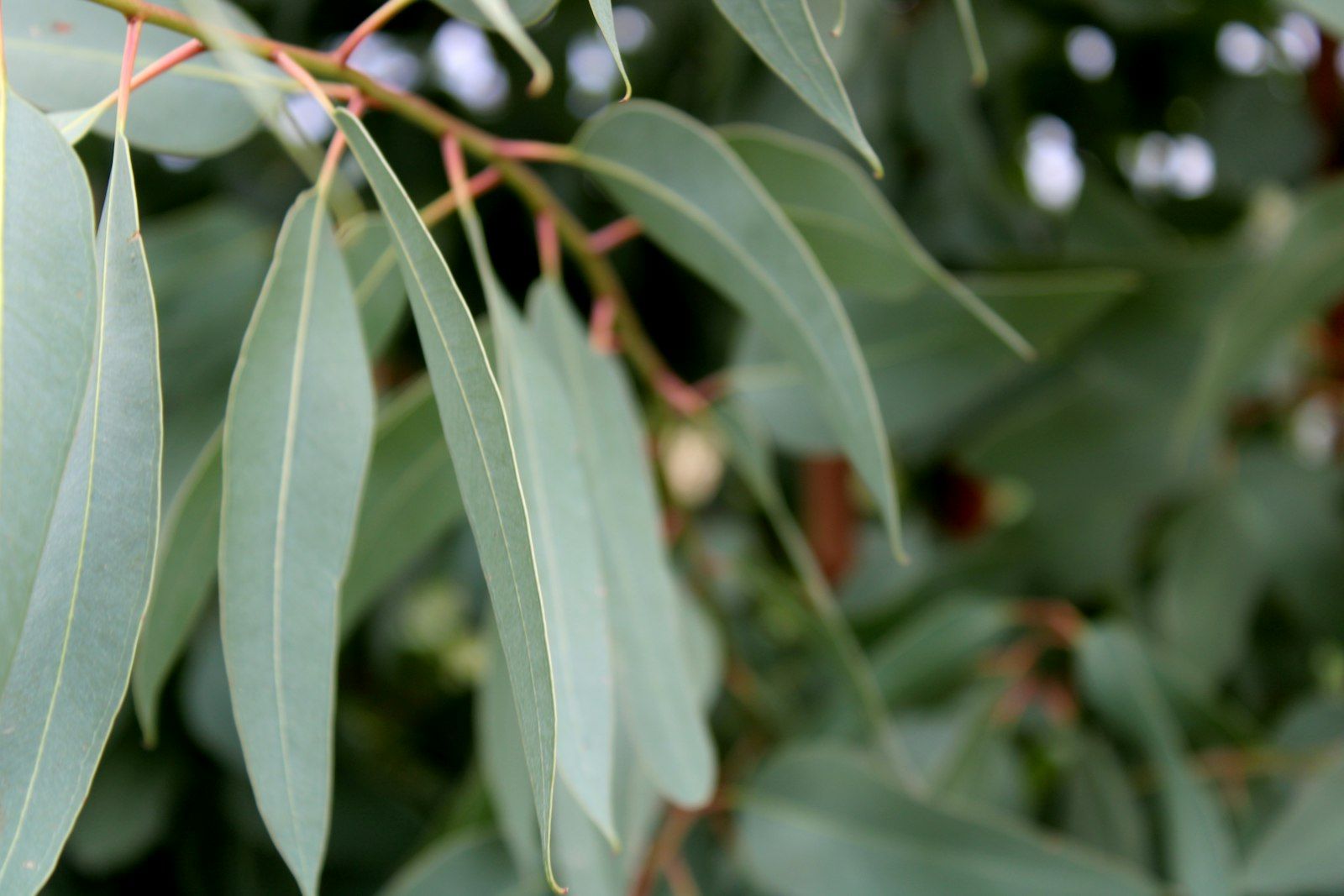
A calm, evidence-led look at natural mosquito repellents: what public health guidance actually covers, what it leaves open, and how physical barriers fit in.
Why mosquito bites matter beyond the itch
Most mosquito bites are a nuisance. The skin reaction is usually small, raised and itchy, and the National Health Service says insect bites are not usually serious and settle within a few days. Yet the same bite can occasionally become infected or trigger a serious allergic reaction. The wider picture is more serious still. The World Health Organization reports that vector-borne diseases account for more than 17% of all infectious diseases and cause more than 700,000 deaths each year, with parasites, bacteria or viruses as causes. Malaria alone causes an estimated 249 million cases and more than 608,000 deaths annually, mostly in children under five. Dengue, spread by Aedes mosquitoes, puts more than 3.9 billion people at risk.
A simple way to think about mosquitoes
Not every mosquito carries disease. The US Centers for Disease Control and Prevention describes mosquitoes as common flying insects found in most parts of the world, with over 3,700 types worldwide. Some are vectors, meaning they spread germs that can make people or animals sick. Others are nuisance mosquitoes that bite but spread no germs. Only female mosquitoes bite, because they need a blood meal to produce eggs. Adults live roughly two to four weeks, depending on species, humidity, temperature and other factors, and they can bite by day and by night. That distinction matters for prevention: reducing bites helps against nuisance and disease alike, while the level of risk depends on which species are present.
What public health guidance actually says
Official guidance is clear about symptom relief and quieter about so-called natural repellents. The National Health Service advises an ice pack wrapped in cloth, or a clean cloth soaked in cold water, held on a swollen bite for at least 20 minutes, and antihistamines to relieve itching. It advises against home remedies such as bicarbonate of soda. The World Health Organization highlights physical measures: window and door screens and air conditioning reduce the risk of mosquitoes coming into contact with household members, and mosquito nets, including insecticide-treated nets, add further protection. Neither body presents plant oils or kitchen ingredients as a substitute for these measures. That is the honest starting point for anyone weighing a natural product.
How Europe tracks the risk
Risk is not fixed, and it changes with the movement of mosquitoes. The European Centre for Disease Prevention and Control describes vector-borne diseases as a specific group of infectious diseases that are a re-emerging threat to Europe. It treats surveillance as a core part of preparedness, tracking where main disease vectors are introduced, become established and spread. Through its VectorNet programme, the centre maintains a database on the presence and distribution of vectors in Europe and regularly publishes updated distribution maps. It also reports on invasive mosquitoes colonising Europe and publishes surveillance findings on the control of Culex mosquitoes and Aedes invasive mosquitoes. For a household, the lesson is modest but useful: local risk varies, and organised monitoring exists behind the advice you receive.
Where natural repellents stand
The supplied public health sources do not rate individual plant oils, sprays or home mixtures, and this article will not invent rankings. What they do show is that credible prevention rests on reducing contact between people and biting mosquitoes. Screens, air conditioning and nets are named as protective, which makes sense for an insect that bites indoors and outdoors, by day and night. A natural product may be part of a personal routine, but it should sit alongside these barriers rather than replace them. If a seller presents a plant oil as a guaranteed shield, treat that claim as unproven. Ask instead what the product is meant to add, and whether the basics are already in place.
Handling bites sensibly
If a bite happens despite precautions, keep the response simple and grounded in guidance. The National Health Service says bites are usually not serious and improve within a few days, and recommends cooling a swollen bite with an ice pack wrapped in cloth or a cold, wet cloth for at least 20 minutes. Antihistamines can relieve itching. It advises against home remedies such as bicarbonate of soda. Watch for signs that a bite is worsening rather than settling, and seek advice if you are worried, especially for a child or a vulnerable relative. Cooling and pharmacy support are ordinary, low-risk steps; unproven pastes and improvised treatments delay the thing that actually helps. The European Centre for Disease Prevention and Control also reports on invasive mosquitoes colonising Europe and publishes surveillance findings on the control of Culex and Aedes invasive mosquitoes, so local advice can rest on current data.
Practical protection without sales talk
Build protection in layers and let evidence set the order. First, keep mosquitoes out of the home: the World Health Organization names window and door screens and air conditioning as ways to reduce contact with household members, and nets, including insecticide-treated nets, as additional protection. Second, accept that bites can happen and respond calmly, using the cooling and antihistamine advice from the National Health Service. Third, treat any natural repellent as an addition of uncertain benefit, not a guarantee. Fourth, remember that risk is local and can shift as mosquito populations move, which is why bodies such as the European Centre for Disease Prevention and Control keep watching. Ordinary care, honestly described, protects better than confident marketing.
Sources
- Insect bites and stings - NHS: National Health Service (England)
- Disease vectors: European Centre for Disease Prevention and Control
- Vector-borne diseases: World Health Organization
- About Mosquitoes | Mosquitoes | CDC: US Centers for Disease Control and Prevention
This article is general information, not medical advice. Ask a doctor or pharmacist about your own health.