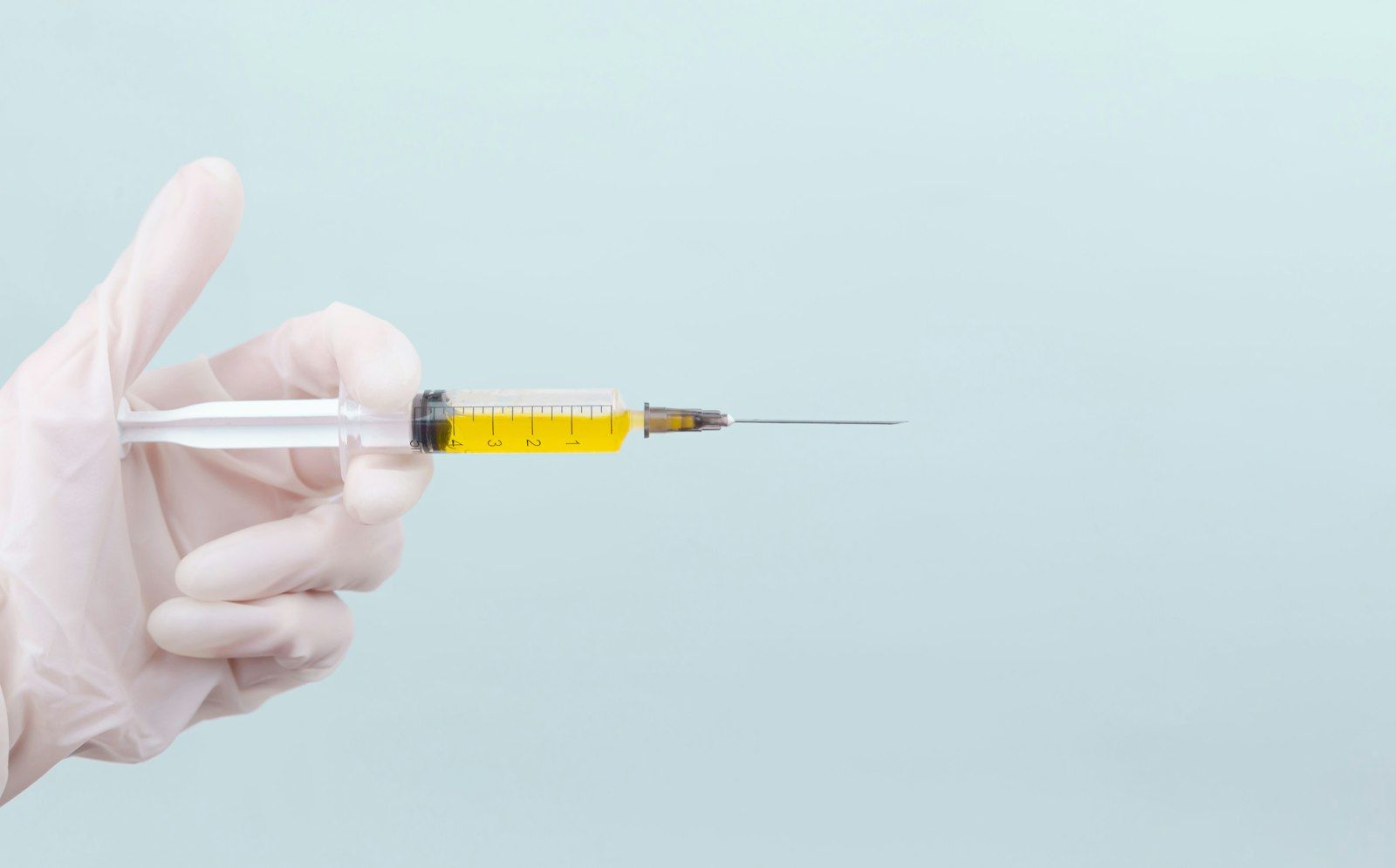
Yellow fever is a serious mosquito-borne infection. One dose of vaccine protects most people for life, but not everyone should receive it. Here is what the evidence says about the single dose, travel certificates and who needs extra care.
What yellow fever is and where it occurs
Yellow fever is a serious infection spread by mosquitoes. The World Health Organization describes it as a mosquito-borne viral disease transmitted mainly by day-biting mosquitoes. The NHS adds that it is found in parts of sub-Saharan Africa, parts of South America including Trinidad and Tobago, and parts of Central America. It is not found in the UK, Europe, Asia, Australia, New Zealand or the Pacific Islands. Symptoms usually begin three to six days after a bite. Early signs resemble flu: high temperature, headache, feeling or being sick, aches, pains and loss of appetite. More serious signs include jaundice, dark urine, stomach pain and bleeding, and these can be fatal. There is no specific treatment, so severe cases need hospital care. Prevention therefore carries real weight for anyone travelling to affected regions.
One dose now counts as lifelong protection
For decades, guidance required a booster ten years after the first yellow fever vaccination. That changed. In a news release dated 17 May 2013, the WHO reported that its Strategic Advisory Group of Experts on Immunization reviewed the latest evidence and concluded that a single dose is sufficient to confer lifelong immunity. The booster is not needed. Between the start of yellow fever vaccination in the 1930s and that review, 600 million doses had been given. Only 12 known cases of yellow fever after vaccination had been identified, and all developed within five years of vaccination. The WHO states this shows immunity does not wane over time. The current WHO fact sheet, dated 20 October 2025, repeats the same position: a safe, affordable vaccine provides lifelong protection with a single dose.
How quickly protection develops and what it costs
Protection does not appear on the day of the injection. The WHO fact sheet states that immunity develops in 80 to 100 percent of vaccinated people within 10 days, and in over 99 percent within 30 days. The 2013 WHO news release puts protective immunity within 30 days at 99 percent of vaccinees. Cost is another practical point. The same WHO release records that the vaccine cost about 0.82 US dollars per dose in African routine immunisation programmes at that time. The European Centre for Disease Prevention and Control describes the vaccine as safe, effective and inexpensive, and notes it has been used for more than half a century. The NHS, however, notes that travellers often have to pay for the vaccine themselves, and can only receive it from registered yellow fever vaccination centres.
Certificate rules for international travel
A vaccination certificate is sometimes a condition of entry, not merely a personal health choice. The European Centre for Disease Prevention and Control states that the certificate is valid for the life of the person vaccinated, beginning 10 days after the date of vaccination. It also notes that a yellow fever vaccination certificate is the only vaccination certificate that should be required in international travel. The WHO fact sheet explains that under the International Health Regulations, countries may require proof of vaccination from travellers. Medical exemptions must be certified. The NHS advises vaccination for people travelling to an area where yellow fever is found, and for those who need a certificate to prove they have been vaccinated. Some people at risk through their work should also be vaccinated. Exact requirements vary by destination, so check before booking.
Who should not receive the vaccine
The vaccine is not suitable for everyone. The WHO does not recommend it for infants under 9 months, pregnant women except during outbreaks, people with severe egg allergies, or individuals with severe immunodeficiency or thymus disorders. For people above 60 years, it advises careful consideration of the vaccination risk-benefit ratio. The European Centre for Disease Prevention and Control recommends an individual risk-benefit analysis before vaccination, particularly in patients with autoimmune diseases, immune deficiencies or other related underlying conditions, and among the elderly. That analysis should take account of the destination and the duration of travel. The ECDC also reports that viscerotropic or neurotropic adverse events following immunisation have been reported mostly in older age groups and in immunocompromised individuals, and that such cases need further investigation.
Making the decision with a clinician
The choice is individual. A clinician weighs the destination, the season, the length of stay and any underlying condition. The NHS describes the vaccine as safe for most people who are 9 months old or over, and directs travellers to registered yellow fever vaccination centres, which can be found through the National Travel Health Network and Centre. The WHO adds that above 60 years the risk-benefit ratio deserves careful thought. The ECDC calls for the same analysis in people with autoimmune diseases or immune deficiencies. If you are pregnant, planning pregnancy, or caring for an infant younger than 9 months, raise this early. Some travellers may need a certified medical exemption instead. A travel health appointment is the right place to settle these questions before departure.
Barriers, repellents and public health context
Vaccination is one layer of protection. The NHS also advises long-sleeved clothing and trousers, particularly during early morning and early evening, insect repellent containing DEET, closed or screened windows and doors, and sleeping under an insecticide-treated mosquito net. These measures matter because the mosquitoes that spread yellow fever bite during the day. The WHO fact sheet counts 27 African and 13 Latin American countries at high risk of outbreaks. It estimates 67 000 to 173 000 severe infections and 31 000 to 82 000 deaths each year in Africa and the Americas, with most of the burden in Africa. The Eliminate Yellow Fever Epidemics Strategy aims to end epidemics by the end of 2026 through mass vaccination, urban preparedness and rapid outbreak response.
Sources
- Yellow fever: World Health Organization
- Yellow fever vaccination booster not needed: World Health Organization
- Facts about yellow fever: European Centre for Disease Prevention and Control
- Yellow fever: NHS
This article is general information, not medical advice. Ask a doctor or pharmacist about your own health.