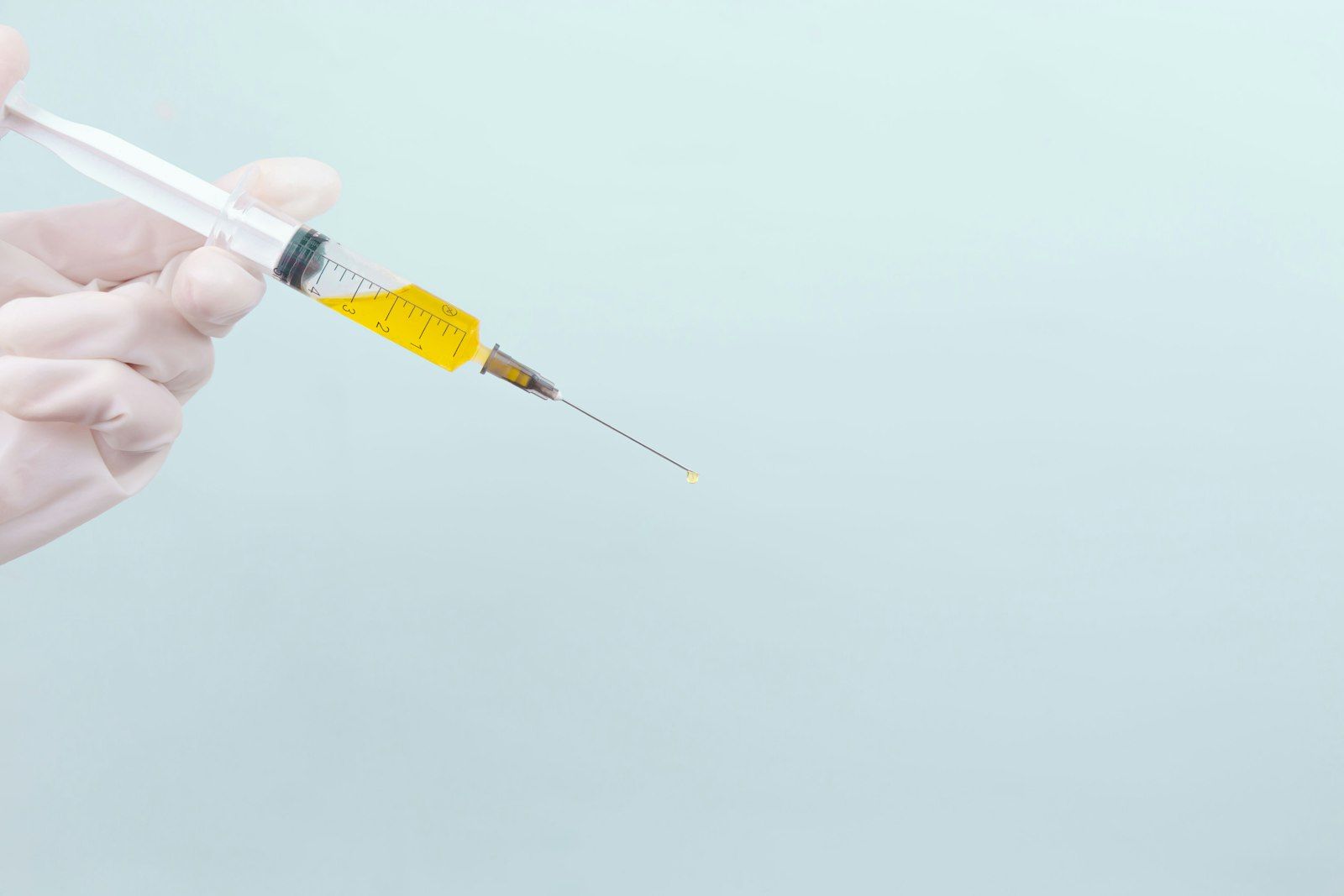
Two chikungunya vaccines hold EU authorisation. Here is what European regulators say about how each one works, who may receive it, and which safety limits apply.
Why chikungunya matters in Europe
Chikungunya is not endemic in mainland Europe. Even so, mosquito season brings autochthonous transmission events, seeded by infected travellers returning from areas where the virus circulates. The European Centre for Disease Prevention and Control reports the first such outbreak in Italy in 2007, with 217 laboratory-confirmed cases. The main vectors are Aedes aegypti and Aedes albopictus. An amino-acid change called A226V, identified during the 2005 to 2006 Reunion outbreak, gave the virus a gain in fitness for dissemination by Aedes albopictus. This matters because that mosquito is established across much of southern and central Europe. For a health-literate reader, the practical question is not whether Europe is a chikungunya region. It is whether a vaccine is authorised, who regulators consider eligible, and what the safety record shows.
How the illness usually behaves
The incubation period ranges from 1 to 12 days, on average 3 to 7. Acute illness features sudden onset of fever with chills, headache, myalgia, nausea and photophobia, together with incapacitating symmetric arthralgia and a rash. Recovery is often slow. The European Centre for Disease Prevention and Control states that in 60 to 70% of cases symptoms persist beyond three weeks. Chronic recurrent joint pain affects around 30 to 40% of those infected and can last from months to several years. Risk factors for that chronic course are female sex, age over 45, comorbidities and pre-existing arthralgia. Age over 65 and comorbidities also increase the risk of complications. This burden explains why two vaccines were developed, and why regulators weigh benefits against risks so carefully for older and clinically vulnerable people.
The two authorised vaccines at a glance
The European Centre for Disease Prevention and Control lists two vaccines with EU marketing authorisation, both for individuals aged 12 years and older. Ixchiq, from Valneva, is a live attenuated vaccine. Vimkunya, from Bavarian Nordic, is a recombinant virus-like particle vaccine. The European Medicines Agency describes the active substance of Vimkunya as chikungunya virus-like particle proteins, namely the capsid protein and envelope proteins E1 and E2, derived from the CHIKV Senegal strain 37997. These are produced in human embryonic kidney cells by recombinant DNA technology and adsorbed on aluminium hydroxide. The two products therefore differ in design, in the immune response they provoke, and in the safety questions regulators have examined. That difference shapes who may be offered each vaccine in practice.
Ixchiq: authorisation and immune response
The European Medicines Agency states that Ixchiq contains chikungunya virus strain CHIKV LR2006-OPY1, live attenuated. The Committee for Medicinal Products for Human Use adopted its opinion on 30 May 2024 and the EU marketing authorisation was issued on 28 June 2024. The indication is active immunisation to prevent disease caused by chikungunya virus in individuals 12 years and older at high risk of acquiring chikungunya infection. On the immune response, one month after injection nearly 99% of adults reached the target antibody level, and four years after vaccination that level was maintained in 95%. Among adolescents aged 12 to 17, around 99% reached the target level, that is 248 out of 251, compared with around 2% on placebo, that is 1 out of 41. Ixchiq is under additional monitoring.
Vimkunya: authorisation and immune response
The European Medicines Agency states that the Committee for Medicinal Products for Human Use adopted its opinion on 30 January 2025 and that a marketing authorisation valid throughout the EU was issued on 28 February 2025 to Bavarian Nordic A/S of Hellerup, Denmark. The vaccine works by prompting the immune system to make antibodies against the virus-like particles so that it can fight off the real virus more effectively. In a main study of 3,258 participants aged 12 to 64, 98% of those who received the vaccine developed antibodies above the established threshold at 22 days, compared with 1% of those on placebo. In a second study of 413 participants aged 65 and over, 87% of vaccinated people developed antibodies above the threshold at 22 days, compared with 1% on placebo. In both studies, most people given the vaccine maintained their immune response for at least 6 months.
Side effects and the Ixchiq safety review
The European Medicines Agency reports that on 24 July 2025 the Committee for Medicinal Products for Human Use endorsed the recommendation of the safety committee following a review of serious side effects of Ixchiq. The temporary restriction on vaccinating people aged 65 years and above will now be lifted. For people of all ages, the vaccine should be given only when there is a significant risk of chikungunya infection and after careful consideration of benefits and risks. The review, initiated on 5 May 2025 at the request of the European Commission, revealed 28 cases of serious side effects, mainly in people aged 65 and older and in those with multiple chronic or uncontrolled medical conditions. Most resembled chikungunya symptoms; there were also rare cases of encephalitis, and three reported cases resulted in death.
Who should consider vaccination, and what still protects
The European Medicines Agency states that Ixchiq must not be given to people who are immunodeficient or immunosuppressed due to disease or treatment. The same contraindication is repeated in its safety communication. Its most common side effects include low white blood cell levels, headache, tiredness, muscle and joint pain, elevated liver enzymes, fever, nausea and injection site reactions. For Vimkunya, the most common side effects, which may affect more than 1 in 10 people, are pain at the injection site, tiredness, headache and muscle pain. The European Centre for Disease Prevention and Control advises travellers returning from areas with chikungunya transmission who live where Aedes albopictus or Aedes aegypti is established to keep protecting themselves against mosquito bites for three weeks after return. Intact physical barriers and careful bite avoidance remain real protection for everyone.
Sources
- Ixchiq | European Medicines Agency (EMA): European Medicines Agency
- Vimkunya | European Medicines Agency (EMA): European Medicines Agency
- Ixchiq: temporary restriction on vaccinating people 65 years and older to be lifted | European Medicines Agency (EMA): European Medicines Agency
- Factsheet for health professionals about chikungunya virus disease: European Centre for Disease Prevention and Control