A plain guide to bed net size, shape and mesh, with practical checks for fit, shelter and repair so the net stays a real barrier night after night.
Why a bed net is a physical barrier, not a decoration
A bed net works because it is a physical barrier. When it is intact, correctly hung and fully closed, it keeps mosquitoes away from skin during sleep. The US Centers for Disease Control and Prevention notes that mosquitoes bite day and night and spread germs that can make people sick. It also advises using screens on windows and doors, repairing holes in screens, and using air conditioning where available. A net complements those measures rather than replacing them. Treat it as one layer in a wider routine that includes clearing standing water weekly from containers such as buckets, toys, birdbaths and flowerpot saucers. The goal is simple: a continuous, well-fitted barrier with no gaps where a mosquito can enter.
Measure the bed before you choose a size
Size starts with the mattress and the space above it. Measure the width and length of the bed, then measure the height from the mattress surface to the point where you will hang the net. Add the drop you want below the mattress edge so the net can be tucked in or left hanging with a closed overlap. A net that is too short leaves a gap at the base. A net that is too tight pulls at seams and lifts at the corners when you move in bed. Write the three measurements down and take them with you, whether you are buying a rectangular net, a box-shaped net or a round one. Accurate numbers matter more than any label on the packaging.
Match the shape to your sleeping space
Shape decides how the net hangs and how easy it is to keep closed. Rectangular nets suit standard beds and square frames, and they give even coverage on all sides. Box or canopy designs hang from four points and work well where a frame can be fixed above the bed. Conical nets hang from a single point and drape outward, which can suit smaller rooms or awkward ceilings. Round and oval nets follow the mattress outline and reduce slack. Whichever shape you choose, check that the net reaches the floor or tucks under the mattress along the whole perimeter. The CDC stresses repairing holes in screens; treat holes in a net the same way. Repair holes in screens to keep mosquitoes outdoors.
Understand mesh count and what it changes
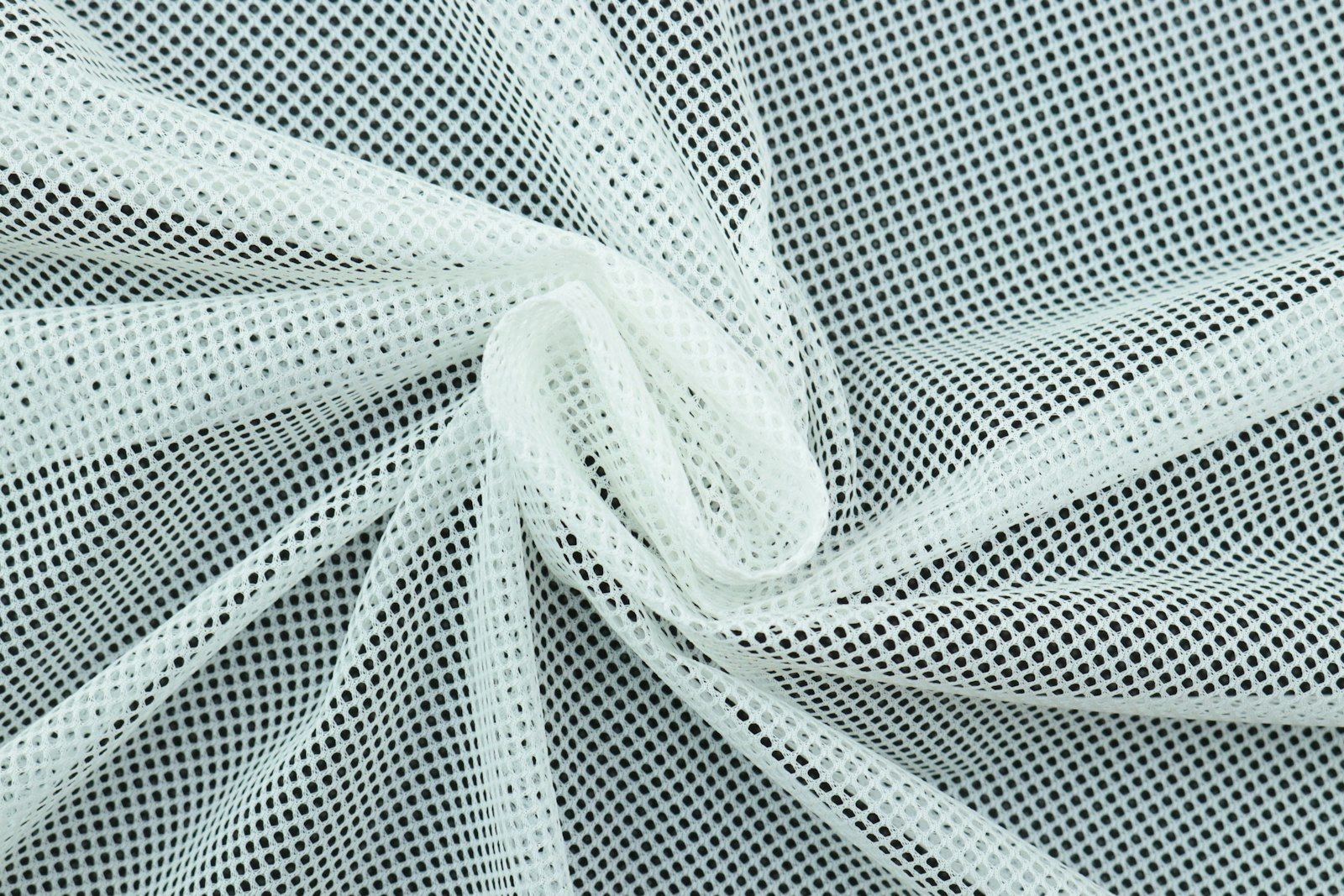
Mesh is the number of holes in a given area of fabric. A finer mesh has smaller openings, which makes entry harder for small insects, but it also reduces airflow and can feel warmer. A coarser mesh lets more air through and is lighter, but the openings are larger. There is no single best mesh for every bedroom. Decide by weighing the insects you are trying to exclude against the heat and ventilation of the room. If the room is very warm, a lighter fabric may help you keep the net closed all night, and a net that stays closed protects better than a dense one pushed aside. Inspect the weave for tears, skipped threads and weak seams before you hang it.
Hang it so the net stays closed
Hanging decides whether the barrier holds. Fix the frame or anchors securely, then test that the net hangs free of the mattress and does not touch the skin where you sleep. The CDC advises covering strollers and baby carriers with mosquito netting to protect babies and children from mosquito bites. Overlap the net where it opens, and tuck the base under the mattress or weigh it down along the edge. Keep the opening on the side you use most, and close it fully after you get in. The CDC advises covering strollers and baby carriers with mosquito netting, and the same logic applies at night: cover the space, close the openings, and check the edges before sleep.
Look after the net and the room around it
A net needs routine checks. Look along seams, corners and the base for small holes, and mend them promptly with a patch or a simple stitch. Once a week, empty and scrub, turn over, cover or throw out items that hold water. Wash the net gently according to its care label, and let it dry fully before hanging it again. While you check the net, run the wider routine the CDC describes: empty and scrub, turn over, cover or throw out items that hold water weekly, including tyres, buckets, toys, pools, birdbaths, flowerpot saucers and trash containers. Healthdirect Australia notes that mosquitoes transmit illnesses including malaria, dengue fever and Zika virus, and that most people with Ross River virus infection recover in a few weeks. Prevention is the practical step.
Keep expectations honest and the habit steady
A well-chosen net is useful when it is sized to the bed, shaped to the room, hung without gaps and checked often. A net complements screens, air conditioning if available, and clearing standing water; it does not replace them. Be wary of claims that a single fabric solves every risk. The European Centre for Disease Prevention and Control describes several mosquito species as known vectors of viruses and parasites, including dengue, chikungunya, Zika and malaria, which is why layered protection matters. Keep the net closed every night, repair it early and review the room each week. That steady habit turns a piece of fabric into a dependable barrier. The European Centre for Disease Prevention and Control names Anopheles atroparvus, widespread in Europe and a key malaria vector in the twentieth century, as one example of why layered protection matters.
Sources
- Preventing Mosquito Bites | Mosquitoes | CDC: US Centers for Disease Control and Prevention
- Mosquito-borne diseases | healthdirect: Healthdirect Australia
- Mosquito factsheets: European Centre for Disease Prevention and Control