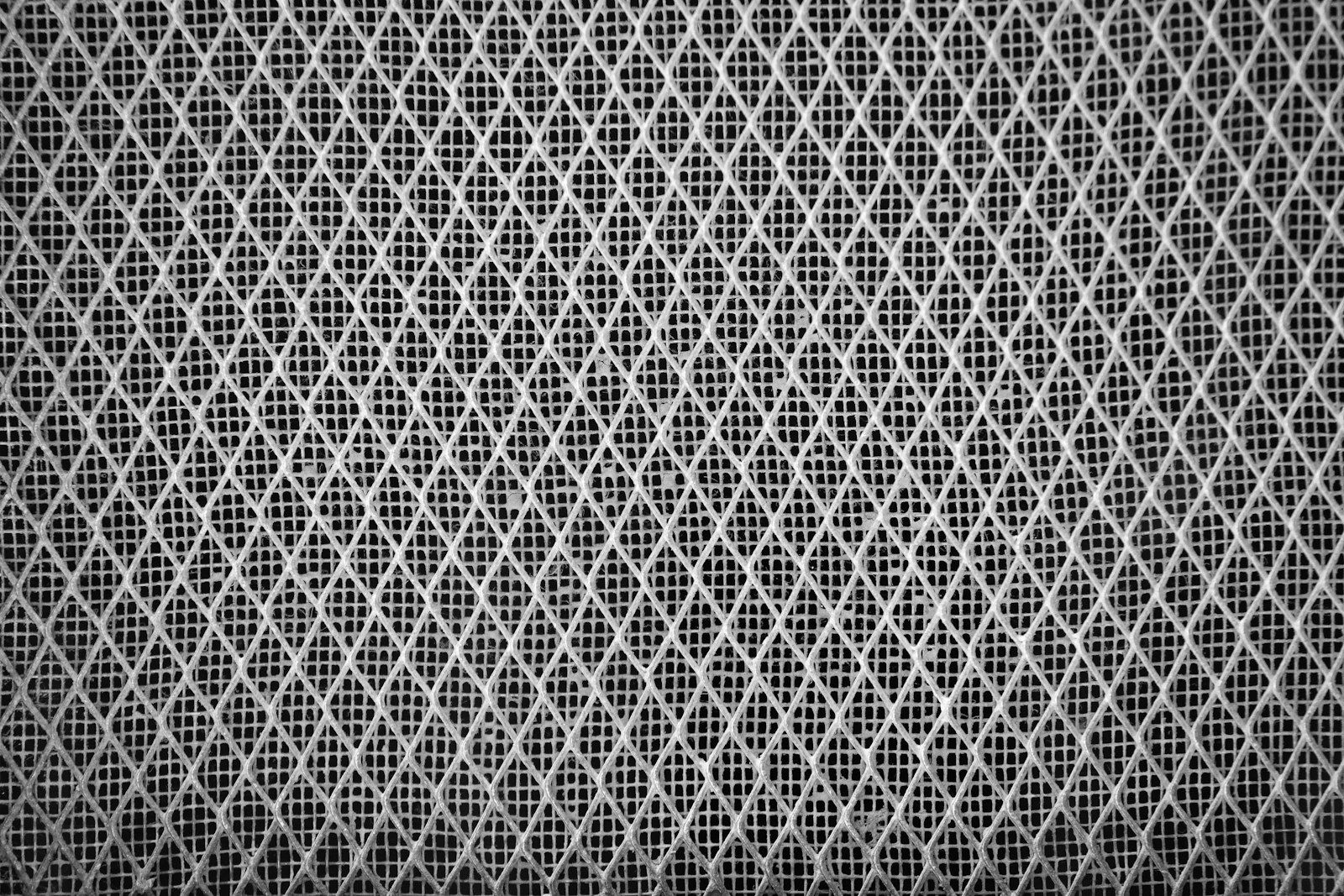
A practical guide to portable mosquito nets for travel: how treated nets work, how to choose one, how to hang it, and how to combine it with repellent and medical advice.
What a portable mosquito net does
A mosquito net is a physical barrier between you and biting insects. When the mesh is intact and the edges are tucked under the mattress or otherwise sealed, mosquitoes cannot reach you while you sleep. Public health guidance treats this barrier as a core part of malaria prevention for travellers. The CDC advises sleeping in a well-screened or air-conditioned room, or under a permethrin-treated bed net. Nets treated with insecticide add a second layer of protection, because the treated fabric can kill or repel mosquitoes that land on it. A net is not a guarantee of safety, and it works best alongside repellent, covering clothing and prescribed antimalarial medicine where these are advised. The CDC also notes that the same protection applies in well-screened rooms, so a portable net becomes valuable where screens are missing or damaged.
Treated or untreated: what guidance says
Guidance from several public health bodies favours insecticide-treated nets. The NHS lists sleeping under mosquito nets treated with insecticide as one way to avoid malaria. Healthdirect Australia advises using insecticide-treated mosquito nets or sleeping in a screened room. The Better Health Channel suggests sleeping under nets treated with repellents or insecticides where windows lack flyscreens. Treatment matters because an untreated net only blocks insects that cannot find a gap, while a treated net can deter or kill mosquitoes resting on the surface. If you already own an untreated net, check the manufacturer's instructions before adding any treatment, and never apply permethrin products directly to your skin. Buy treated nets from a reputable supplier and keep the original label.
Choosing a net for your trip
Match the net to the bed and the room you expect. A shape that suits a single bed may not cover a double, so check the stated dimensions before you buy. Look for a net with a fine mesh, reinforced seams and a clear opening that closes fully. Travel nets often use a pop-up frame or a hanging loop, and the choice depends on whether you will have a hook, a beam or a frame to attach it to. Consider weight and packed size if you are carrying it in hand luggage. Read the label to confirm whether the net is insecticide-treated, and note any washing limits, because harsh washing can reduce the treatment over time.
Hanging and sealing the net
A net only protects when it forms a closed space. Hang it so the fabric drapes fully around the sleeping area and reaches the floor or tucks under the mattress on every side. Check that no gap remains at the head, foot or corners. Keep the fabric away from your skin where possible, because mosquitoes can bite through mesh that rests against an arm or leg. Repair small holes with a patch before you travel, and check the net each evening for tears or insects trapped inside. If the room has flyscreens, use them as well. Where windows are unscreened, the net becomes more important, and the Better Health Channel recommends treated nets in that situation.
Using repellent with a net
Nets cover the night, but evenings before bed still carry risk. The NHS recommends insect repellent on the skin, and Healthdirect Australia states that repellents should contain DEET, IR3535 or Icaridin. The Better Health Channel adds loose, long, light-coloured clothing and suggests avoiding perfume, cologne or aftershave in malarial areas. Apply repellent to exposed skin and to clothing where the label allows, and follow the product instructions. The CDC advises treating clothing and gear with 0.5% permethrin spray, or buying permethrin-treated clothing, while warning that permethrin products should never go directly on skin. Reapply repellent as the label directs, especially after sweating. Keep the net closed whenever you are inside it, and check for insects before you settle.
Timing, medicine and medical advice
A net supports other precautions rather than replacing them. The CDC advises avoiding mosquito bites even if you take medicines to prevent malaria, and taking antimalarials exactly as prescribed, including before travel and after you return. The NHS suggests getting advice from a GP, nurse, pharmacist or travel clinic before you go, ideally four to six weeks ahead, though last-minute advice is still possible. Healthdirect Australia gives the same four to six week window and notes that nothing can guarantee protection from malaria. The Better Health Channel recommends discussing whether antimalarial medication is appropriate. If you develop a fever or flu-like illness during travel in a malaria area, or within a year of returning, the CDC advises seeking immediate medical attention.
Care, storage and honest limits
Look after the net so it keeps working. Follow the maker's washing instructions, avoid unnecessary washing, and let the net dry fully before packing it away. Store it in its bag, away from sharp items that could tear the mesh. Inspect seams and the opening each time you unpack. Be honest about limits: a torn net, a loose edge or a net that touches your skin reduces protection, and no single measure removes all risk. Public guidance is consistent that nets belong in a wider plan that includes repellent, covering clothing, screened rooms and medical advice. If you are unsure whether a net suits your destination, ask a travel health professional before you leave rather than relying on assumptions.
Sources
- Preventing Malaria While Traveling | Malaria | CDC: US Centers for Disease Control and Prevention
- Malaria - NHS: National Health Service (England)
- Malaria | healthdirect: Healthdirect Australia
- Malaria | Better Health Channel: Better Health Channel, Victoria State Government