A plain guide to choosing mosquito nets for beds, cots and travel, covering mesh, fit, insecticide treatment and the other measures that keep protection complete.
What a mosquito net does and does not do
A mosquito net is a physical barrier. Correctly hung and intact, it stops mosquitoes reaching the person inside. The NHS advises sleeping under insecticide-treated nets when travelling to an area where malaria is found. That advice matters because malaria can take just one bite. A net is not a treatment and does not replace repellent, clothing or travel advice from a clinician. The CDC notes that mosquitoes bite day and night, so a net protects sleep, not the whole day. Treat a net as one layer in a set of measures. Check it before each trip and after each wash, because a small tear removes the protection you assumed you had. Check the net's edges, ties and seams each time you unpack it, because a single small gap can undo the protection you are counting on tonight.
Check the mesh before anything else
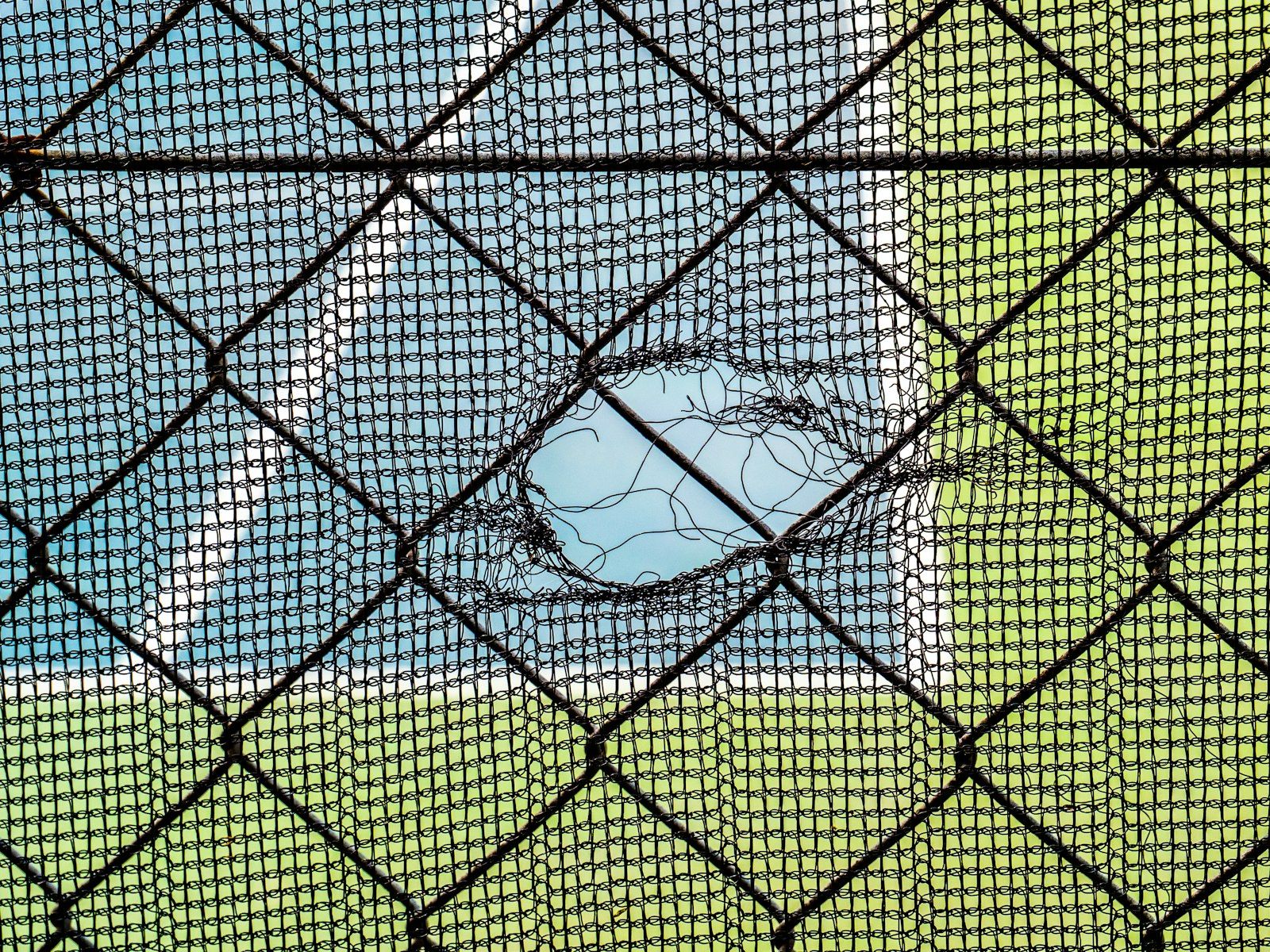
The mesh decides what can pass through. Fine mesh blocks small biting insects, while coarse mesh lets them reach skin. Inspect the fabric against a light source and look for gaps, pulled threads and holes near seams, ties and the entry point. Run a hand along the edges, because damage often hides where the net meets the frame or the mattress. If the mesh is torn, repair it or replace the net before you rely on it. A cheap net with a weak seam is worse than no purchase at all, because it creates false confidence. Buy from a seller who states the mesh size and shows the fabric clearly, and reject any net you cannot inspect on arrival.
Fit matters more than style
A net only works when it hangs free of the body and seals at the edges. For a bed, choose a size that covers the whole mattress, with enough drop to tuck under it or reach the floor. For a cot, the net should sit clear of the child, with no loose fabric near the face and no gap at the base. Avoid nets that drape loosely over a sleeping child, because gaps and contact with skin both reduce protection. For travel, a net that matches the bed you will actually sleep in beats a larger one that sags. Measure the sleeping space first, then choose the shape: rectangular, conical or wedge. Fit is the difference between a barrier and a decoration.
Insecticide treatment and safe handling
Insecticide-treated nets add a second effect: the insecticide on the fabric acts on mosquitoes that touch it. The NHS recommends nets treated with insecticide for malaria areas, so check whether a net is treated before you buy, and follow the maker's washing limits, because repeated washing can reduce the treatment. Keep treated nets away from babies' mouths and wash your hands after handling them. Do not assume treatment replaces a physical seal; a treated net with a gap still admits mosquitoes. If you travel often, weigh a treated net against a plain one you can inspect and repair easily. Ask a pharmacist or travel clinic which option suits your destination, and treat their advice as specific to your trip.
Hanging a net so it stays sealed
Hang the net before the first night, not after. Fix the frame or suspension point securely above the sleeping area, then check that the fabric hangs without touching skin and without a gap at floor level. Tuck the edges under the mattress, or use a net with a sealed base, and keep the entry closed whenever someone is inside. Keep the net away from open flames, heaters and sharp edges. Check the suspension after storms and after each pack-down. The CDC advises using screens on windows and doors as well, because a net protects the bed, not the room. A net that stays sealed every night is doing its job; one that flaps open is not.
Cots, children and daytime bites
For babies and young children, the CDC advises covering strollers and baby carriers with mosquito netting, and dressing the child in clothing that covers arms and legs. Use loose-fitting, long-sleeved shirts and trousers. Keep the cot net clear of the child's face and make sure the base has no gap. Because mosquitoes bite day and night, do not limit protection to sleep. Use EPA-registered insect repellent on children as directed by its label, and keep repellent away from eyes, mouth and hands. Never apply repellent to a child's skin under clothing or inside a sealed net. Ask a clinician before using repellent on infants, and read the label every time, because products differ. Read the repellent label before each use, because instructions and age limits differ between products and a clinician's advice should come first for infants.
Travel nets and the wider picture
For travel, choose a net for the beds you will meet, not the one at home. Check the destination risk with a clinician before you go; the NHS advises getting advice at least four to six weeks before travel to a malaria area. The ECDC tracks the spread of disease vectors in Europe, including invasive mosquitoes, so risk is not fixed to distant regions. Pack a repair patch, confirm the net is treated if recommended, and pair it with repellent and covering clothing. A net is a real protection when it is correctly specified, intact and correctly used. It is not a guarantee. Combine layers, check them often, and enjoy your sleep with fewer bites.
Sources
- Preventing Mosquito Bites | Mosquitoes | CDC: US Centers for Disease Control and Prevention
- Malaria - NHS: National Health Service (England)
- Disease vectors: European Centre for Disease Prevention and Control