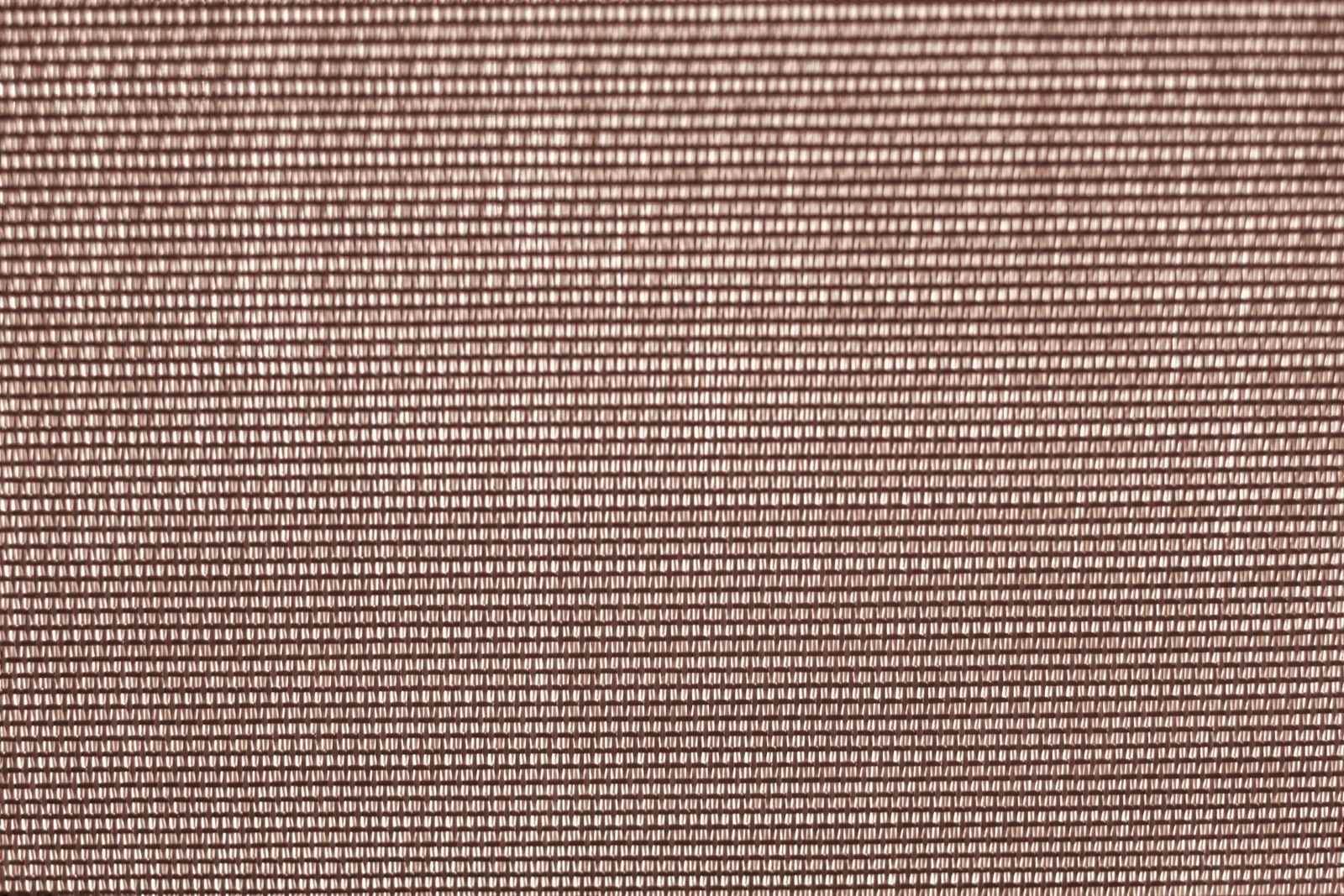
A mosquito net only protects you while it stays intact and correctly used. Here is how to check, clean and repair a net so it keeps working as a physical barrier.
Why a net works only when the barrier holds
A mosquito net is a physical barrier. It keeps biting insects away from the person sleeping under it. The protection does not come from the fabric alone. It comes from a continuous surface between the sleeper and the air around them. A net with a torn seam, a gap at the edge, or a loose tuck can leave an opening large enough for a mosquito to pass. The US Centers for Disease Control and Prevention notes that mosquitoes bite day and night and spread germs through bites that can make you sick. A net that is whole, hung correctly, and tucked under the mattress does the job it was designed for. A net that is damaged, dirty, or loosely draped offers much less.
Check the whole net every week
Inspect your net regularly, at least once a week. Run your hands over the mesh, seams, and edges. Look for holes, frayed threads, and split seams. Check the hanging points, cords, and frame, because a sagging net can leave gaps at the sides. Pay attention to the lower edge, where the net meets the mattress, since this is where gaps often appear. The CDC advises checking water-holding containers indoors and outdoors and emptying, scrubbing, covering, or turning them over once a week. Treat your net inspection as part of the same weekly routine. A short check takes little time and catches small faults before they become large ones. Write the date of each inspection if that helps you keep the habit.
Clean a net without weakening the mesh
Dirt and dust block airflow and can weaken fibres over time. Follow the care label if your net has one. Wash gently in cool or lukewarm water with mild soap. Avoid harsh bleach and hot water, which can damage fibres and any insecticide treatment. Do not scrub the mesh hard or wring it tightly. Rinse well and let the net dry in the shade, ideally hanging, so it keeps its shape. Never put a net in a hot dryer. Check the net after washing for new holes or pulled threads, because wet fabric is easier to tear. Rehang the net only once it is fully dry, and adjust the edges so the barrier sits flush again. If the label is missing, use the gentlest method you can.
Repair small holes before they grow
Small holes tend to spread. Mend a hole as soon as you find it. A simple patch of fine mesh, sewn over the opening with a few stitches, can restore the barrier. Some nets come with repair kits, and a patch of similar fabric works just as well. Match the mesh size so the patch does not create a wider gap. Sew around the edge so the patch sits flat. For a split seam, stitch the two edges back together. For a larger tear, a patch on both sides gives more strength. The CDC stresses repairing holes in window and door screens to keep mosquitoes outdoors, and the same principle applies to a net. A repaired net is far better than a holed one.
Hang and tuck for full coverage
A net must cover the sleeping area completely. Hang it so the mesh falls to the floor or is tucked under the mattress on every side. Keep the net clear of the walls, because bed nets work best when the fabric does not touch the sleeper. Fix points that have come loose. Adjust cords or a frame so the net stays taut. Repair holes in screens on windows and doors as well, since a net does not stop mosquitoes entering the room. Use screens alongside a net, not as a substitute. If the net is shared, check that everyone sleeping under it is fully covered, including children, who need a net long enough to be tucked in securely.
Know the warning signs of a bite
Even a well-kept net cannot prevent every bite. The NHS explains that insect bites are not usually serious and get better in a few days, but they can sometimes become infected or cause a serious allergic reaction. It also notes that mosquito bites are usually small, raised, and itchy. Do not scratch a bite, since scratching can lead to infection. Look out for spreading redness, warmth, swelling, or pus, and seek medical advice if these appear. Some insects can carry illnesses, including malaria from mosquitoes in certain parts of the world, so take bites seriously if you live in or have travelled to an affected area. Report any bites that happen under a net so you can find the gap.
Make care a household routine
Good net care is a habit, not a one-off task. Build a short weekly routine around inspection, cleaning, and repair. The WHO WASH FIT framework describes a risk-based, continuous improvement approach for water, sanitation, and hygiene in small health care facilities. The same idea applies at home. Walk around the sleeping area, check the net, and fix small faults straight away. Keep a small repair kit nearby, with fine mesh and a needle and thread. Teach everyone in the household how to tuck the net in properly and how to spot a hole. Record what you have checked so nothing is missed. A net that is intact, clean, and correctly hung remains a reliable physical barrier, and routine care keeps it that way.
Sources
- Water and sanitation for health facility improvement tool (WASH FIT): World Health Organization
- Preventing Mosquito Bites | Mosquitoes | CDC: US Centers for Disease Control and Prevention
- Insect bites and stings - NHS: National Health Service (England)