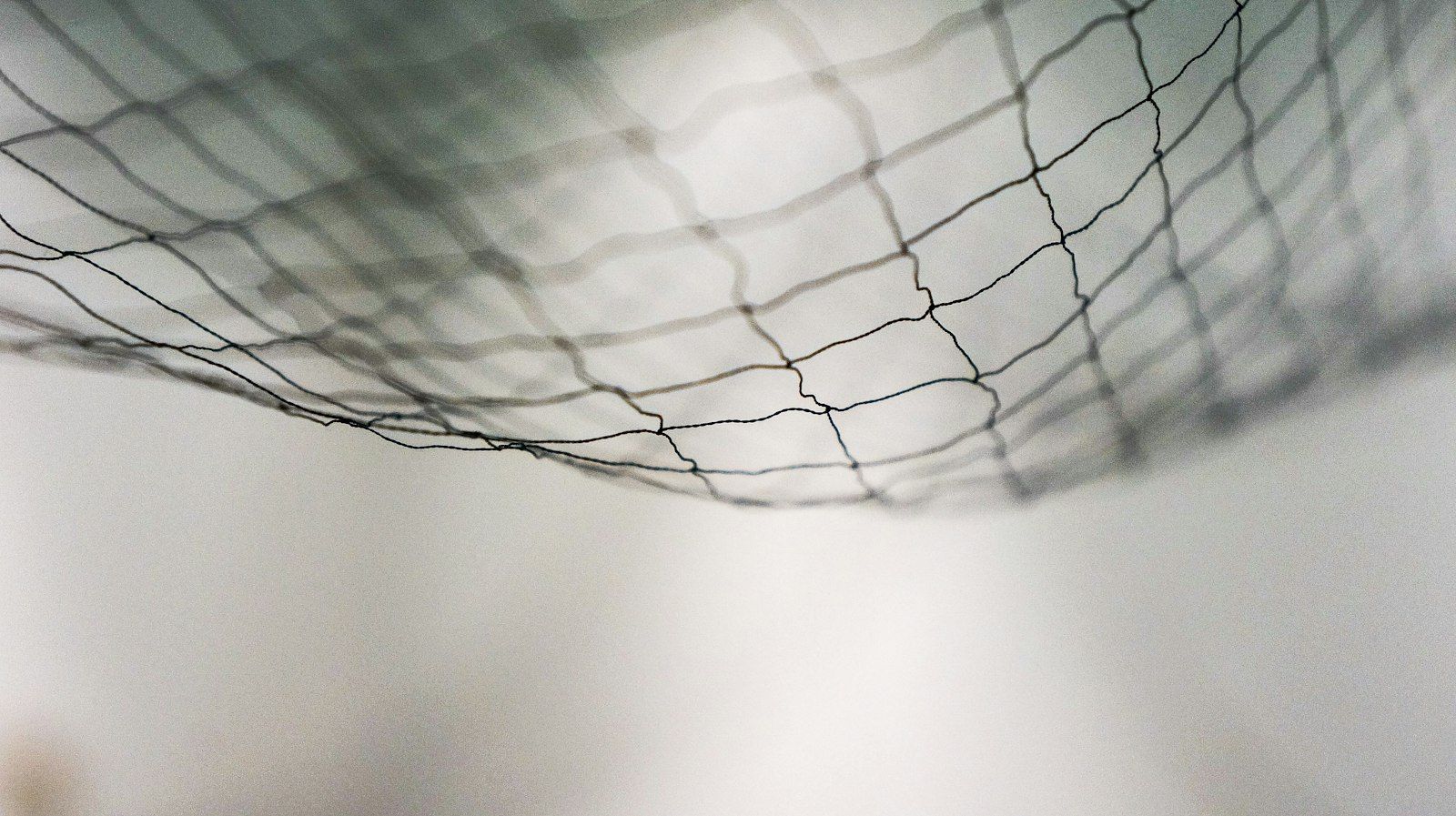
Most netting sold for bedrooms is a simple physical barrier, and for most European homes that is exactly what the job needs: a mesh fine enough to stop the bite, hung so there is no gap, cared for so it lasts. Treated netting adds a long-lasting insecticide treatment, authorised under the EU's Biocidal Products Regulation. Here is how to tell which one a household actually needs, and what the labels and regulations behind each really say.
Walk down the netting aisle of any European home store in September and the choice looks confusing. Untreated mesh on one shelf, treated netting on the next, both claiming to keep mosquitoes away, with a price gap between them that nobody explains. The honest answer is that the two products do different jobs, and for most bedrooms in Europe the simpler one is the right one. Here is the reasoning, stripped of marketing.
What untreated netting actually is
Untreated netting is a physical barrier, and nothing else. Its whole value lives in two measurements: the size of the mesh aperture and the completeness of the coverage. When the aperture is fine enough that a mosquito cannot pass through, a bite becomes a geometry problem rather than a chemical one. The insect does not need to be repelled, knocked down or discouraged. It simply cannot reach the sleeper, and that is true tonight, next month and in five years, with no treatment to degrade and no reapplication to remember.
That permanence is the quiet advantage. A well-made untreated net that is hung without gaps and washed on schedule keeps working for years, and the household never has to think about what is on the fabric or when it was last refreshed. For a bedroom where the priority is a chemical-free sleep environment, this is not a compromise. It is the design.
What the word treated adds
Treated netting carries a long-lasting insecticide treatment on or in the fibres. The treatments used on netting sold for household use in the EU are approved under the Biocidal Products Regulation, the same framework that governs insecticide-treated articles generally, and the underlying substances go through an EU-level approval process of their own before a product can carry them. A household buying treated netting can check the label for the treatment and the regulation it was authorised under.
The added performance is real but specific. A treated net does not only block; the treatment acts on insects that land on it, which can matter in settings with very high mosquito pressure, and in the contexts where WHO-specification nets are designed for. The trade is that a treatment is something the household now has to know about: follow the maker's washing instructions precisely, because machine washing on the wrong cycle and the wrong interval is what ageing treatments die of, and keep the documentation that identifies the product's authorisation.
How to choose, in one pass
If the bedroom is in Europe, the windows can be screened or closed, and the goal is unbroken nights for a household that dislikes chemical nights, choose untreated mesh: fine aperture, full coverage, a frame or suspension that leaves no gaps, and a care routine of gentle washing and air drying.
If the household wants the extra mode of action, or the room has a persistent mosquito problem that physical measures alone have not solved, choose treated netting, and choose it from the authorised side of the market, where the label tells you what the treatment is and which regulation it was authorised under. Buy replacement mesh or repair patches from the same range so the treatment story stays coherent.
For travel to high-burden settings beyond Europe, the World Health Organization names insecticide-treated nets among its core tools against malaria, and advises travellers to use a net when sleeping where malaria is present. It is worth packing the version you can hang in the first ten minutes of arriving, not the one that needs an engineering project at midnight.
Care is the real difference between the two
Whichever way the decision goes, the section of the manual that matters is the care section. Wash untreated mesh gently and often, and it will outlast the bedroom's decoration. Wash treated netting exactly as instructed, and it keeps a predictable service life; improvise and you are degrading a treatment you paid for. Store both dry, never compressed into a damp cupboard, and inspect both at stitch level once a season, because the failure mode of every net is a small tear that becomes a large one.
The point
There is no single correct net, only a correct match. Untreated netting is the pure answer to a European bedroom: no active ingredient, no reapplication, nothing to keep track of beyond hanging it properly. Treated netting is the answer when the household wants a second mode of action and buys from the authorised side where the standards are documented. Both, hung and cared for, deliver what the sleeper actually wanted all along: the room, without the bites.
Sources cited
- Regulation (EU) No 528/2012, the Biocidal Products Regulation. https://eur-lex.europa.eu/legal-content/EN/TXT/?uri=CELEX:32012R0528
- Commission Implementing Regulation (EU) 2022/2330, permethrin for product-type 18. https://eur-lex.europa.eu/legal-content/EN/TXT/?uri=CELEX:32022R2330
- World Health Organization. Vector-borne diseases fact sheet. https://www.who.int/news-room/fact-sheets/detail/vector-borne-diseases
- European Centre for Disease Prevention and Control. Factsheet, Culex pipiens. https://www.ecdc.europa.eu/en/infectious-disease-topics/related-public-health-topics/disease-vectors/facts/mosquito-factsheets/culex-pipiens
- World Health Organization. Malaria fact sheet. https://www.who.int/news-room/fact-sheets/detail/malaria