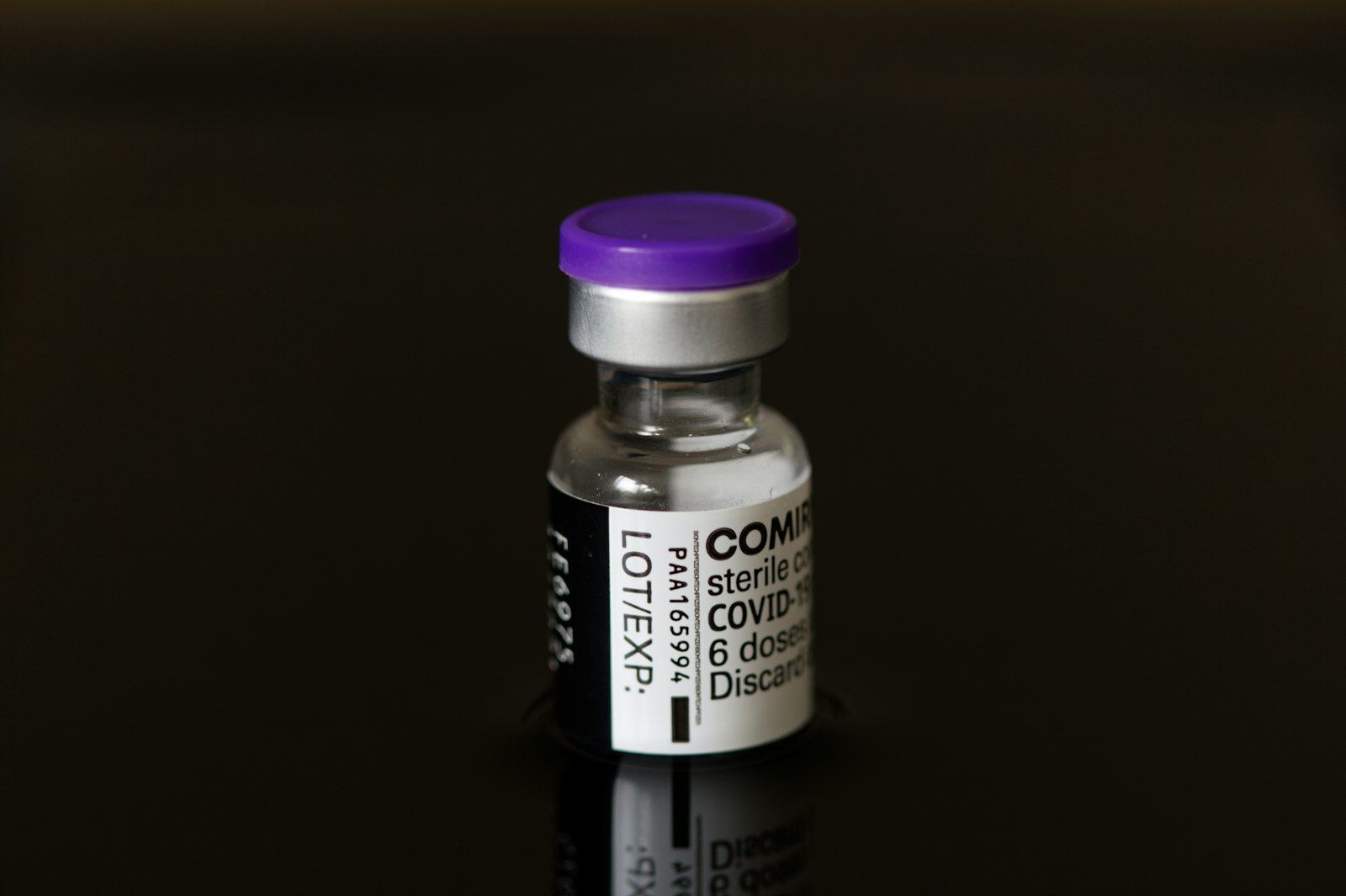
Learn about Qdenga, a dengue vaccine authorised in Europe. This resource explains who it is for, how it works, and what it does based on official evidence.
Qdenga: a vaccine for dengue in Europe
Dengue is a viral infection spread by Aedes mosquitoes. It is common in tropical and subtropical regions. In recent years, cases have also appeared in parts of southern Europe. The European Medicines Agency (EMA) has approved a vaccine called Qdenga to help prevent dengue. This article explains who can receive it and what the evidence shows. We rely on official public health sources, including the EMA, the World Health Organization (WHO), and the UK National Health Service (NHS). This information is for general awareness. It is not medical advice. Always consult a healthcare professional for personal recommendations. The vaccine represents a new tool against a growing global health challenge. Understanding its role helps people make informed choices.
What is Qdenga?
Qdenga is a live, attenuated vaccine. That means it contains weakened versions of the four dengue virus serotypes: 1, 2, 3, and 4. The European Medicines Agency granted marketing authorisation on 5 December 2022. The vaccine is given as an injection under the skin of the upper arm. The schedule is two injections, three months apart. This regimen aims to prime the immune system against all four virus types. The WHO prequalified Qdenga on 10 May 2024, making it eligible for procurement by United Nations agencies. The vaccine is not a cure for existing infections. Instead, it helps prevent dengue disease. The WHO emphasises that Qdenga does not prevent all cases. Its efficacy varies by age, prior exposure, and transmission setting.
Who is it for?
In Europe, the EMA has approved Qdenga for individuals from 4 years of age, including adults, adolescents, and children. However, the World Health Organization gives more specific guidance. WHO recommends Qdenga for children aged 6 to 16 years in areas with high dengue transmission intensity. WHO does not currently recommend routine use in children under 6 years because of lower efficacy and generally low seropositivity in that group. For travellers, the NHS notes that the vaccine is recommended for people who have had dengue in the past, or who might have had it, and who are travelling to regions where dengue is common. The vaccine is not publicly funded in the UK and must be paid for privately.
How effective is it?
The EMA reported results from a main study involving about 20,000 children aged 4 to 16 years. Confirmed dengue fever cases were reduced by 80 percent: 61 cases among 12,700 vaccinated children versus 149 among 6,316 given placebo. Hospitalisation for dengue was reduced by 90 percent: 0.1 percent (13 of 12,700) versus 1.0 percent (66 of 6,316). These figures show substantial protection. However, effectiveness is not uniform. WHO states that until the efficacy and risk profile for serotypes 3 and 4 in seronegative persons is better understood, it does not recommend programmatic use in low to moderate transmission settings. For travellers, benefits are lower for those who have never had dengue, as they are seronegative.
What are the side effects?
Common side effects of Qdenga include pain and redness at the injection site. Headache, muscle pain, and a general feeling of being unwell may occur. Weakness and fever are also reported. Fever appears in up to 1 in 10 people. These effects are usually mild to moderate and resolve within a few days. The EMA lists them in its product information. Serious side effects are rare but possible. As with any vaccine, medical supervision is important. You should tell your doctor about any allergies or health conditions before vaccination. The vaccine must not be given to people with a weakened immune system, those with hypersensitivity to a previous dose, or to pregnant or breastfeeding women. These guidelines follow the official label.
Why is it needed?
Dengue is a major global health problem. The WHO estimates that 100 to 400 million cases occur each year. The ECDC states that about half of the world's population live in areas at risk of dengue. In 2023, the WHO Region of the Americas reported 4.5 million cases and 2,300 deaths. That was the largest number of cases on record. Climate change and urbanisation are likely to increase and expand the geographical reach of dengue. Europe is not immune. The NHS notes that local transmission has been detected in Croatia, France, Italy, Spain, and Madeira, with risk from spring to autumn. Preventing disease is important, especially for vulnerable groups. A vaccine adds to other protective measures. However, a vaccine is a helpful extra layer of defence and acts alongside established bite-prevention measures.
What you should do next
If you are considering the Qdenga vaccine, speak to a healthcare professional. They can assess your risk based on your travel plans and medical history. The NHS advises consulting a travel clinic for advice. For people who have had dengue in the past, vaccination may offer benefit. For those who are seronegative, the benefits are lower. Remember that vaccination is not a substitute for other prevention. The NHS recommends long-sleeved clothing and trousers, especially in early morning and early evening. Use insect repellent, ideally containing DEET. Close windows and doors or use blinds or screens. Sleep under an insecticide-treated mosquito net, including during the day. These actions reduce the risk of mosquito bites and help protect you from dengue.
Sources
- Qdenga | European Medicines Agency (EMA): European Medicines Agency
- Vaccines and immunization: Dengue: World Health Organization
- WHO prequalifies new dengue vaccine: World Health Organization
- Dengue - NHS: NHS
- Factsheet for health professionals about dengue: European Centre for Disease Prevention and Control
This article is general information, not medical advice. Ask a doctor or pharmacist about your own health.