Which mosquitoes bite in the UK, how to avoid bites at home and abroad, and what to do when a bite becomes sore.
Which mosquitoes you may meet in the UK
The UK has native mosquitoes, and it also records invasive species. The UK Health Security Agency monitors both through its mosquito surveillance work. Its public collection explains how to tell native and invasive mosquitoes apart, and it sets out control measures and bite avoidance advice. Members of the public can report a suspected sighting and take part in a nationwide survey. The collection also covers surveillance for Culex modestus, a species that concerns public health teams. Common native biting species are widespread and mostly a nuisance. Invasive species matter because some can carry viruses that are not usually present here. Surveillance helps officials spot changes early, so advice can be issued before a local problem grows.
Why species identification matters
Not every mosquito carries disease, and the risk depends on the species. The European Centre for Disease Prevention and Control publishes factsheets on several mosquitoes of public health interest. Aedes aegypti can transmit yellow fever, dengue, chikungunya and Zika viruses. Aedes albopictus can transmit chikungunya and dengue, and it is linked to dirofilariasis. Anopheles plumbeus bites people persistently and can carry both tropical and Eurasian strains of malaria. Culex pipiens is a species complex native to Europe, and it is a known pest in towns and cities. These facts explain why surveillance and accurate identification matter more than blanket alarm. A nuisance species and a disease vector need different responses. Accurate identification also guides which control measures public health teams choose in a given area.
Repellents that meet a recognised standard
The US Centers for Disease Control and Prevention advises using insect repellents registered by the Environmental Protection Agency. Registered products contain active ingredients such as DEET, picaridin, IR3535, oil of lemon eucalyptus, para-menthane-diol and 2-undecanone. Names differ between countries: picaridin is also known as KBR 3023 and icaridin outside the United States. Choose a product labelled for your purpose, then follow the label. Products with oil of lemon eucalyptus or para-menthane-diol should not be used on children under three years old. Do not apply repellent to a child's hands, eyes, mouth, cuts or irritated skin. A correctly specified repellent is a real protection measure when it is used as directed. Apply the chosen product to exposed skin only, and wash hands after use.
Clothing and timing reduce exposure
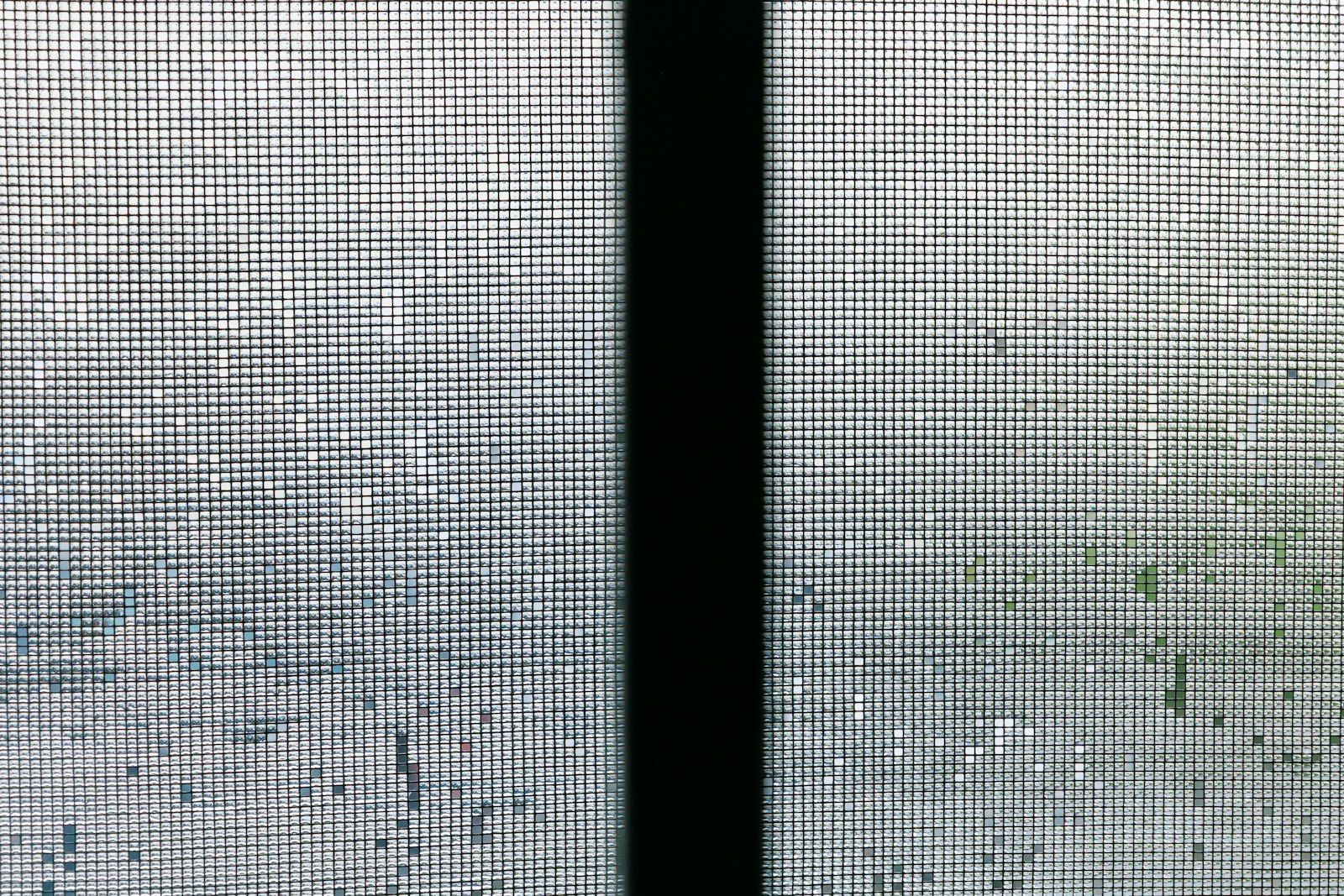
Covering skin lowers the number of places a mosquito can bite. The CDC recommends loose-fitting, long-sleeved shirts and long trousers. It also advises clothing and gear treated with permethrin, which is an insecticide rather than a skin repellent. Treating clothes is useful when you will be outdoors for long periods, but read the label and keep treated items away from children's reach where instructed. Use screens on windows and doors, cover exposed skin with loose-fitting, long-sleeved shirts and long trousers, and treat suitable clothing and gear with permethrin. Screens on windows and doors keep mosquitoes out of rooms. None of these steps removes all risk, but together they cut the chance of a bite without needing to stay indoors.
Remove standing water around the home
Mosquitoes need water to breed, and small containers are enough. The CDC recommends emptying and scrubbing, turning over, covering or throwing out items that hold water, and doing this once a week. That includes plant saucers, buckets, bird baths, water butts with open tops, gutters and discarded containers. Scrubbing matters because eggs can cling to the sides of a container and survive a simple rinse. Covering a water butt with a fine mesh stops adults laying eggs while keeping rainwater available. Empty, scrub, turn over, cover or throw out items that hold water once a week. This includes plant saucers, buckets, bird baths, open-topped water butts, gutters and discarded containers. Gutters blocked with leaves hold water, so clear them before the warm season.
Treating a bite at home
Most insect bites are not serious and settle within a few days, according to the NHS. It adds that bites can sometimes become infected or trigger a serious allergic reaction. Mosquito bites usually look small, raised and itchy. To ease swelling, the NHS advises an ice pack wrapped in a cloth, or a clean cloth soaked in cold water, held on the bite for at least 20 minutes. Keep the area raised where you can. Antihistamines can relieve itching. Do not scratch the bite, because broken skin can become infected. The NHS also advises against home remedies such as bicarbonate of soda. If a bite becomes hot, spreading or painful, seek advice. Watch for spreading redness, swelling or fever, and contact a health service if these appear.
Planning ahead, at home and abroad
Protection works best when it is planned rather than improvised. Before travel, use bite-avoidance advice from official sources for the destination and check the UK Government’s traveller guidance. The UK government collection includes bite avoidance advice for travellers alongside its UK surveillance information. At home, report unusual mosquito sightings so surveillance stays accurate. The CDC advises using a registered repellent, covering skin with loose clothing, treating suitable gear with permethrin, and clearing standing water weekly. The NHS advises treating bites with cold and antihistamines, without scratching. Together these sources give a practical routine: know the local species, reduce breeding sites, avoid bites, and treat symptoms sensibly. Seek medical advice when a bite looks infected or you feel unwell.
Sources
- Mosquitoes - GOV.UK: UK Government
- Insect bites and stings - NHS: National Health Service (England)
- Mosquito factsheets: European Centre for Disease Prevention and Control
- Preventing Mosquito Bites | Mosquitoes | CDC: US Centers for Disease Control and Prevention
This article is general information, not medical advice. Ask a doctor or pharmacist about your own health.