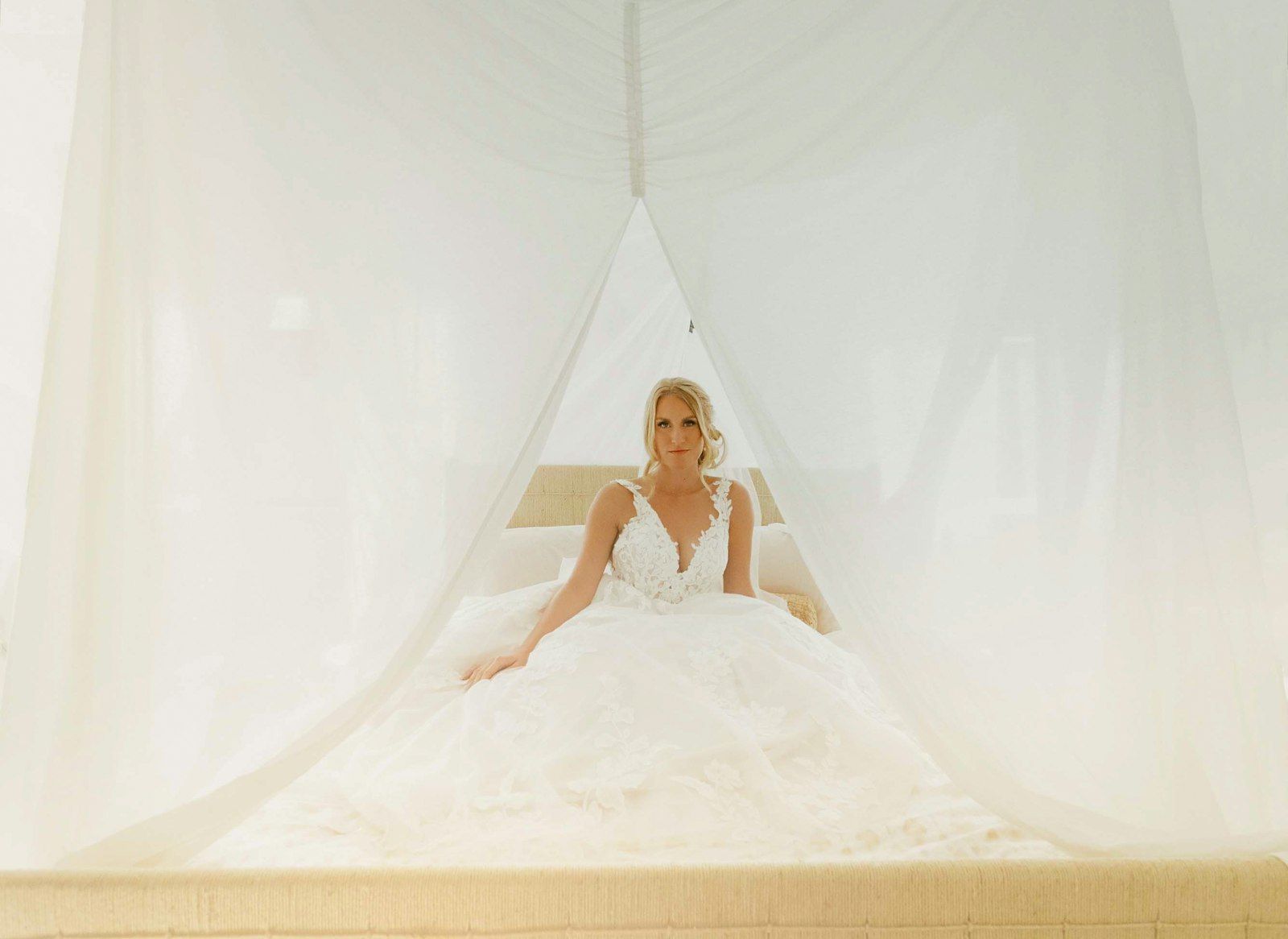
A practical guide to hanging a mosquito net so it fully encloses the sleeping area, tucking the edges, and checking for gaps that let biting insects in.
Why a net only works when it fully encloses you
A mosquito net is a physical barrier, and it protects you only while it stays between you and the insect. The NHS advises sleeping under a mosquito net treated with insecticide when you travel to an area where malaria is found. That advice assumes the net is hung and used as intended. A net draped loosely, left open at one corner, or lifted away from the sleeping mat leaves a route in. The CDC notes that mosquitoes bite day and night and spread germs through bites that can make you sick. Treat the net as a complete enclosure rather than a decoration above the bed, and the barrier does the job it was designed to do.
Choosing the right net for your sleeping space
Fit matters more than style. Measure the sleeping area, including the mattress or mat and the height above it, then choose a net large enough to hang without pressing against your skin. A net that touches an arm or leg gives a biting insect a route through the fabric. If you use a treated net, follow the manufacturer's handling instructions, because treated nets are the type the NHS recommends for malaria prevention. For babies and children, the CDC advises covering strollers and baby carriers with mosquito netting. The principle is the same at every size: the net must cover the person completely and stay in contact with whatever supports it, with no opening left loose at the edge.
Hanging the net so it stays clear of your body
Hang the net from a frame, a ceiling hook or a line above the sleeping area, high enough that the fabric falls straight and does not sag inward. Keep the sides away from your face and limbs. If you hang a net outdoors or in an unfamiliar room, check that the fixing holds the weight and that the net hangs free of furniture. The CDC recommends using screens on windows and doors and repairing holes in screens as part of wider mosquito control, and a hung net works best in the same spirit: fitted, intact and checked. Retie or adjust the suspension if the net droops during the night, and keep sharp edges away from the fabric.
Tucking the edges under the mattress or mat
Tucking is the step that turns a hanging net into a sealed space. After you get into bed, pull the net down and push the hem under the mattress, mat or sleeping bag on every side, including the corners. Work around the whole perimeter rather than one side. The NHS malaria guidance and CDC bite-prevention guidance both treat full coverage as the aim, and tucking is how you achieve it with a standard net. If the hem will not reach under the mattress, the net is too small or hung too high. Leave no section lying on the floor where it can be pulled loose, and re-tuck after getting up in the night. Tuck the net hem firmly beneath the mattress edge on all four sides so the fabric stays anchored and no opening appears during the night.
Checking for gaps before you sleep
Do a short check every night before you settle. Walk the perimeter with your eyes and hands: look for a hem that has slipped out, a corner lifted by a pillow, or a split where two panels meet. Feel for holes and tears in the fabric. The CDC advises repairing holes in screens, and the same habit applies to netting, because a small tear is an opening. Check the point where the net meets the suspension, since a loose cord can drop the fabric onto your skin. If you find a gap, fix it before sleeping rather than accepting it. A thirty-second check is the cheapest protection you will ever buy. A quick nightly check of the whole net takes little effort and catches small faults before they become openings that let biting insects reach you.
Using a net with repellent and covered clothing
A net is one layer of protection, not the only one. The CDC lists EPA-registered insect repellents, loose-fitting long-sleeved shirts and trousers, and clothing and gear treated with permethrin alongside netting. The NHS advises using insect repellent on the skin that is 50% DEET-based and wearing long-sleeved clothing and trousers to cover arms and legs in the evening, when mosquitoes are most active. Apply repellent to exposed skin before you get under the net, and keep the net itself intact. If you are travelling to an area where malaria is found, the NHS advises getting advice from a GP, nurse, pharmacist or travel clinic before you go, ideally at least four to six weeks before travel.
Keeping the net and the room working together
Protection continues after you leave the bed. The CDC recommends emptying and scrubbing, turning over, covering or throwing out items that hold water once a week, because standing water breeds mosquitoes. Combine that with screens on windows and doors and repaired holes in screens. Keep the net clean and dry, and store it loosely so the fabric does not crease or tear. Malaria symptoms usually appear between seven and eighteen days after being bitten by an infected mosquito, according to the NHS, so seek medical advice if you become unwell after travel to a risk area and mention where you have been. The Foundation informs and never sells; this guidance supports safe, practical prevention. Regular inspection keeps the net reliable, and prompt repair of any tear preserves the barrier that protects you through the night.
Sources
- Preventing Mosquito Bites | Mosquitoes | CDC: US Centers for Disease Control and Prevention
- Malaria - NHS: National Health Service (England)
This article is general information, not medical advice. Ask a doctor or pharmacist about your own health.