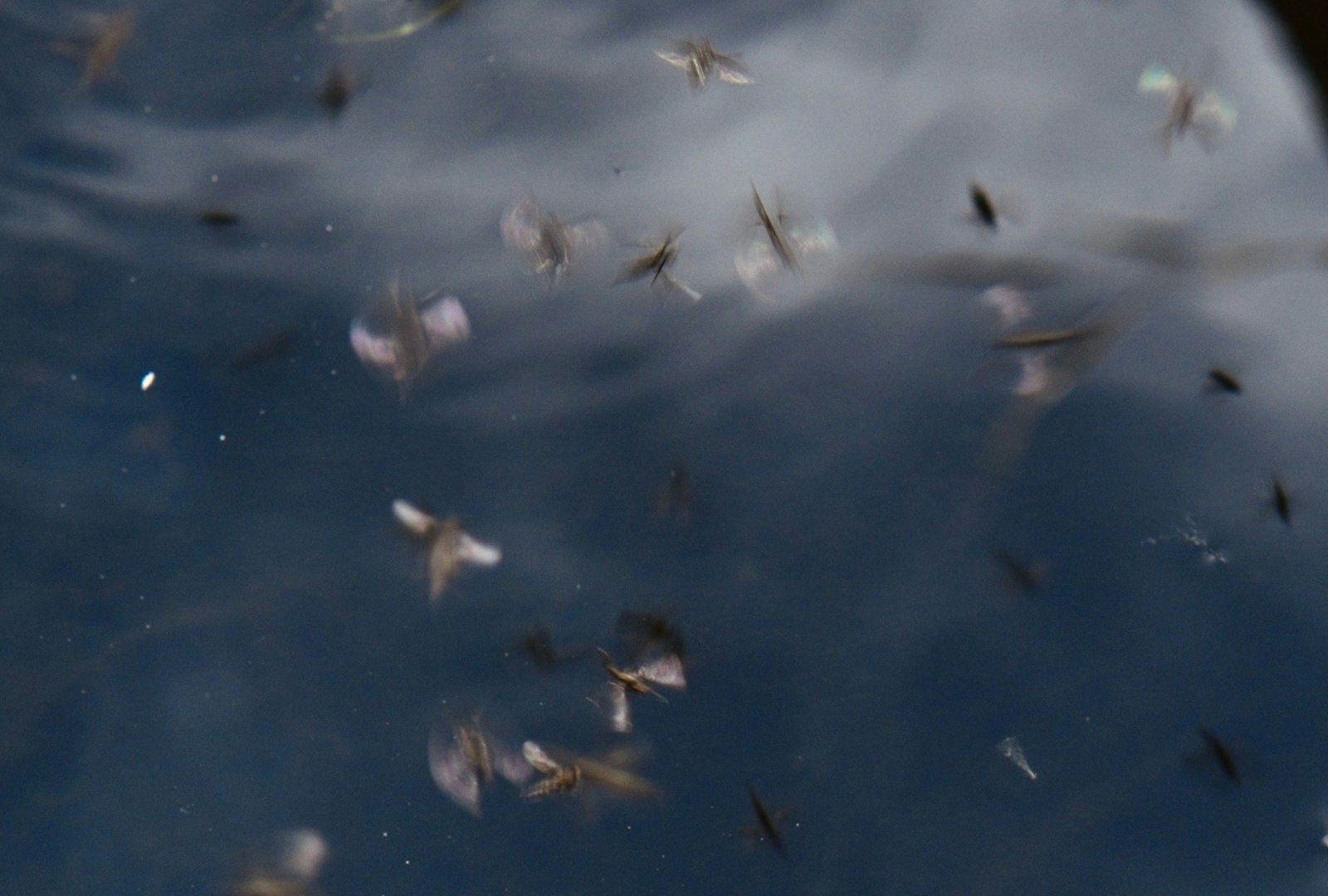
Japanese encephalitis is a mosquito-borne brain infection found across Asia. This article explains who is at risk, how the virus spreads, and how vaccination and bite protection reduce danger.
What Japanese encephalitis is
Japanese encephalitis is a viral infection of the brain spread by mosquitoes. The World Health Organization describes Japanese encephalitis virus as a flavivirus spread mainly by Culex tritaeniorhynchus mosquitoes. It is the main cause of viral encephalitis in many Asian countries. Most people who catch the virus never notice. The US Centers for Disease Control and Prevention says most infected people have no symptoms or only mild ones. A small share develop brain inflammation, with headache, fever, disorientation, seizures, weakness, and coma. The European Centre for Disease Prevention and Control reports that around 1 in 250 infected people develops serious illness. Twenty-four countries in the WHO South-East Asia and Western Pacific Regions have endemic transmission. That exposes more than 3 billion people to infection risk.
Where the risk is highest
The virus is present across Asia, from Japan to India and Pakistan. The European Centre for Disease Prevention and Control calls it a leading cause of viral encephalitis in Asia, with 30,000 to 50,000 cases reported each year. The World Health Organization estimates around 100,000 clinical cases every year. Transmission is mostly rural. The National Health Service in England advises particular care for people staying in rural areas, near rice fields, wetlands, or places where pigs are kept. Those settings bring mosquitoes, water birds, and pigs close together. Pigs amplify the virus, and Culex mosquitoes breed in flooded fields. The NHS also notes that travellers rarely catch Japanese encephalitis, so context matters. Long stays and rural itineraries raise the chance of exposure. Short city trips carry far less risk.
Why the disease is serious
For the minority who develop encephalitis, the outcome can be severe. The World Health Organization reports a case-fatality rate as high as 30 per cent among people with encephalitis. Permanent neurological, cognitive, and behavioural problems occur in 30 to 50 per cent of those cases. The US Centers for Disease Control and Prevention puts death among encephalitis patients at about 1 in 4, or 20 to 30 per cent. The European Centre for Disease Prevention and Control says up to one third of people with serious disease die, and about half of survivors may have lasting neurological or mental health issues. Symptoms usually appear within 5 to 15 days of infection. No cure exists. Treatment focuses on relieving symptoms. The NHS adds that serious illness needs hospital care because the disease can be life-threatening.
The limits of treatment
There is no specific medicine for Japanese encephalitis. The US Centers for Disease Control and Prevention states plainly that no medicines are available to treat the infection, so care aims at easing symptoms. The European Centre for Disease Prevention and Control agrees that no specific treatment exists. The World Health Organization notes that there is no cure. This makes prevention the centre of the response. Hospital care can support breathing, manage seizures, and watch for complications, yet it cannot remove the virus. The NHS advises that seriously unwell patients need hospital treatment. Readers should not expect antibiotics to help, because the cause is viral. Anyone who becomes unwell with fever and confusion after travel in Asia should seek medical advice quickly and mention where they have been.
Vaccination as the main safeguard
Vaccination is the strongest preventive measure where the disease is a recognised public health problem. The World Health Organization recommends that Japanese encephalitis vaccination be integrated into national immunisation schedules in all areas where the disease is recognised as a public health issue. It reports that safe and effective vaccines are available. The US Centers for Disease Control and Prevention recommends vaccination for some travellers. The NHS advises a vaccine for people travelling to affected regions, especially those staying more than a month, staying rurally, or visiting rice fields, wetlands, or pig-keeping areas. The NHS notes that travellers usually pay for the vaccine, so planning matters. Advice from a travel vaccination clinic before departure is sensible. A clinician can weigh itinerary, season, and length of stay against the benefits.
Reducing mosquito bites
Bite protection complements vaccination and remains useful for everyone. The National Health Service advises insect repellent on exposed skin, ideally containing at least 50 per cent DEET. It also advises sleeping under an insecticide-treated mosquito net where possible, wearing long-sleeved tops, trousers or long skirts, socks and shoes, and getting travel clinic advice before the trip. The European Centre for Disease Prevention and Control lists repellent, mosquito nets, and sleeping in screened or air-conditioned rooms. A long-lasting insecticide-treated net is the best protection for a sleeping person, and it must stay intact and tucked in. Treated nets add insecticidal action to the physical barrier. An untreated net is a physical barrier only while it is whole: it fails at the first tear, gap, or limb resting against the mesh.
Planning a trip with clear eyes
Risk depends on place, season, duration, and behaviour. The National Health Service stresses that Japanese encephalitis is not found in the UK, and that travellers rarely catch it. That should reassure most holidaymakers while still guiding those at higher risk. People staying for more than a month, staying rurally, or working near rice fields, wetlands, or pigs should discuss vaccination with a travel health professional. The World Health Organization notes that 24 countries in its South-East Asia and Western Pacific Regions have endemic transmission. Some readers may travel to care for relatives or work on farms. Others may simply visit family during the rainy season. A pre-travel appointment turns vague worry into a specific plan, covering vaccine timing, repellent use, and sleeping arrangements.
Sources
- Japanese encephalitis: World Health Organization
- About Japanese Encephalitis Virus | Japanese Encephalitis Virus | CDC: US Centers for Disease Control and Prevention
- Japanese encephalitis: European Centre for Disease Prevention and Control
- Japanese encephalitis - NHS: National Health Service (England)
This article is general information, not medical advice. Ask a doctor or pharmacist about your own health.