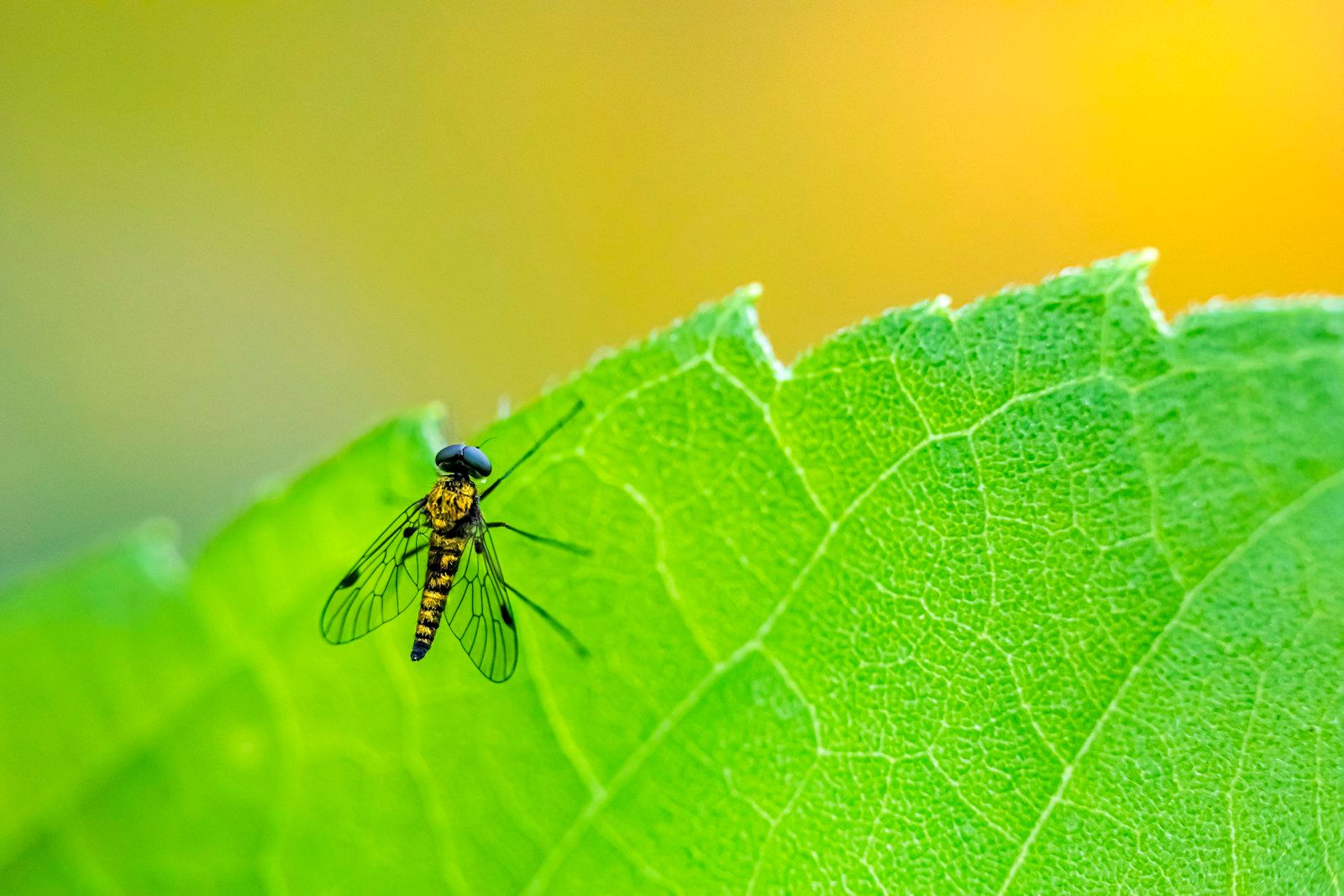
The tiger mosquito gets the headlines, but the mosquito public-health teams in Europe truly worry about is its cousin: Aedes aegypti, the yellow fever mosquito, the world's most efficient urban vector of dengue, Zika and chikungunya. It is not established across the European mainland, and keeping it that way is a standing surveillance project involving ports, airports, traps and a lot of quiet reporting. Here is what the watchlist status really means, and why a household's container habits are part of it.
Every autumn, somewhere in European public health, a report is written on a mosquito that most people will never see: Aedes aegypti, the yellow fever mosquito. It is the most efficient urban vector of dengue, Zika and chikungunya viruses on the planet, it lives closer to people than almost any other insect, and its established range in Europe is a patchwork that teams of entomologists spend their summers checking traps to keep current. The tiger mosquito, its louder cousin, is visible. The yellow fever mosquito is the one on the watchlist. The difference between the two shows how Europe monitors for it.
A mosquito built for cities
Aedes aegypti is a specialist of the built environment. It breeds in small artificial containers: buckets, tyres, flower pots, water tanks, the lids and gutters and drains of dense settlements. It bites during the day, in bursts, and it prefers human blood to nearly any alternative. That combination, urban, container-breeding, day-biting, human-preferring, is what makes it the world's most efficient bridge between virus reservoirs and people during an outbreak. A city block with a few hundred neglected water holders is, to this species, a fully equipped habitat.
None of those traits are dramatic on their own. Together they explain why the World Health Organization names Aedes aegypti, with Aedes albopictus, among the chief vectors responsible for the spread of dengue, and treats urbanisation as a risk factor for transmission (WHO).
Where the watchlist comes from
Europe has known Aedes aegypti before. It was historically present around parts of the Mediterranean rim, and it disappeared from Europe during the first half of the twentieth century. The reason for that reduction is uncertain, though elimination programmes are a possible cause (ECDC). Today its European footprint is limited and closely tracked: continued detections in parts of the outermost regions and a small number of locations where it has taken hold, with the mainland under constant surveillance rather than a settled question. That is the meaning of watchlist status: not present in force, but plausible enough to be tested for, everywhere it could arrive.
The arrival vectors are the same ones that move everything else: cargo, vehicles, plant trade, aircraft cabins and anything on wheels that crosses a border with a little standing water in it. That is why the traps sit where they sit.
What surveillance actually does
Under the International Health Regulations, designated ports and airports must maintain vector surveillance (WHO). European monitoring through ECDC and the VectorNet network covers the trade that carries the species: Aedes aegypti has been found at used-tyre yards in the Netherlands, imported with shipments of tyres (ECDC). The traps are calibrated to the species' habits: small black containers as ovitraps, offering a legal-looking place to lay eggs, with the contents inspected on a schedule. A gravid female can generate a detection in an ovitrap (CDC), and that detection triggers a response: intensified trapping, container sweeps, sometimes targeted control, and an entry in a surveillance report that crosses desks all winter.
The system is unglamorous by design. It mostly produces negatives, month after month, and each negative is information: this species is not yet here, in numbers that matter, at this location, this year. The European Centre for Disease Prevention and Control publishes the aggregate picture of where the Aedes mosquitoes have established and passed dengue virus on locally. That picture, updated season after season, tells public-health teams how much warning they have.
Why household habits matter to detection
Here is the part that belongs on a household's own list. Every trait that makes Aedes aegypti dangerous in the tropics is shared, to a meaningful degree, by the tiger mosquito: the container breeding, the day biting, the taste for people (ECDC), and that mosquito is now established in 16 European countries (ECDC). When a household empties and brushes its plant saucers, screens its bedroom windows, and turns unused containers upside down before frost, it is applying, in Europe, the same discipline that keeps tropical Aedes pressure down. If the yellow fever mosquito ever becomes established in force, the places where early detection matters most are the ones with no standing water to offer.
Container discipline is not about the mosquito that is here. It matters for the one that keeps arriving and, in the meantime, for the one that is already here with the same habits.
The watch, honestly stated
Nothing in Europe's current picture suggests a household should change its evening plans, and no read of the surveillance data suggests the watchlist mosquito is about to spread across the mainland. What the picture does suggest is that the systems around the continent, the traps, the reports, the border checks, work best when households are not working against them. The emptied container and the fitted screen are the household's contribution to a surveillance system that otherwise depends on ovitraps, entomologists and data. It costs half an hour in autumn, and it is the least costly part of the response.
Sources cited
- European Centre for Disease Prevention and Control. Factsheet, Aedes aegypti. https://www.ecdc.europa.eu/en/disease-vectors/facts/mosquito-factsheets/aedes-aegypti
- European Centre for Disease Prevention and Control. Dengue fever, surveillance and disease data. https://www.ecdc.europa.eu/en/dengue-fever/surveillance-and-disease-data
- World Health Organization. Dengue and severe dengue fact sheet. https://www.who.int/news-room/fact-sheets/detail/dengue-and-severe-dengue
- World Health Organization. Vector-borne diseases fact sheet. https://www.who.int/news-room/fact-sheets/detail/vector-borne-diseases
- World Health Organization. Vector surveillance and control at ports, airports, and ground crossings. https://www.who.int/publications/i/item/9789241549592
- Centers for Disease Control and Prevention. Mosquito surveillance traps. https://www.cdc.gov/mosquitoes/php/toolkit/mosquito-surveillance-traps.html
- European Centre for Disease Prevention and Control. Factsheet, Aedes albopictus. https://www.ecdc.europa.eu/en/disease-vectors/facts/mosquito-factsheets/aedes-albopictus
- European Centre for Disease Prevention and Control. World Mosquito Day 2025: Europe sets new records for mosquito-borne diseases. https://www.ecdc.europa.eu/en/news-events/world-mosquito-day-2025-europe-sets-new-records-mosquito-borne-diseases