A plain guide to the common banded mosquito, the viruses it can carry in Australia, and the protective steps public health agencies recommend for readers and their families.
What Culex annulirostris is
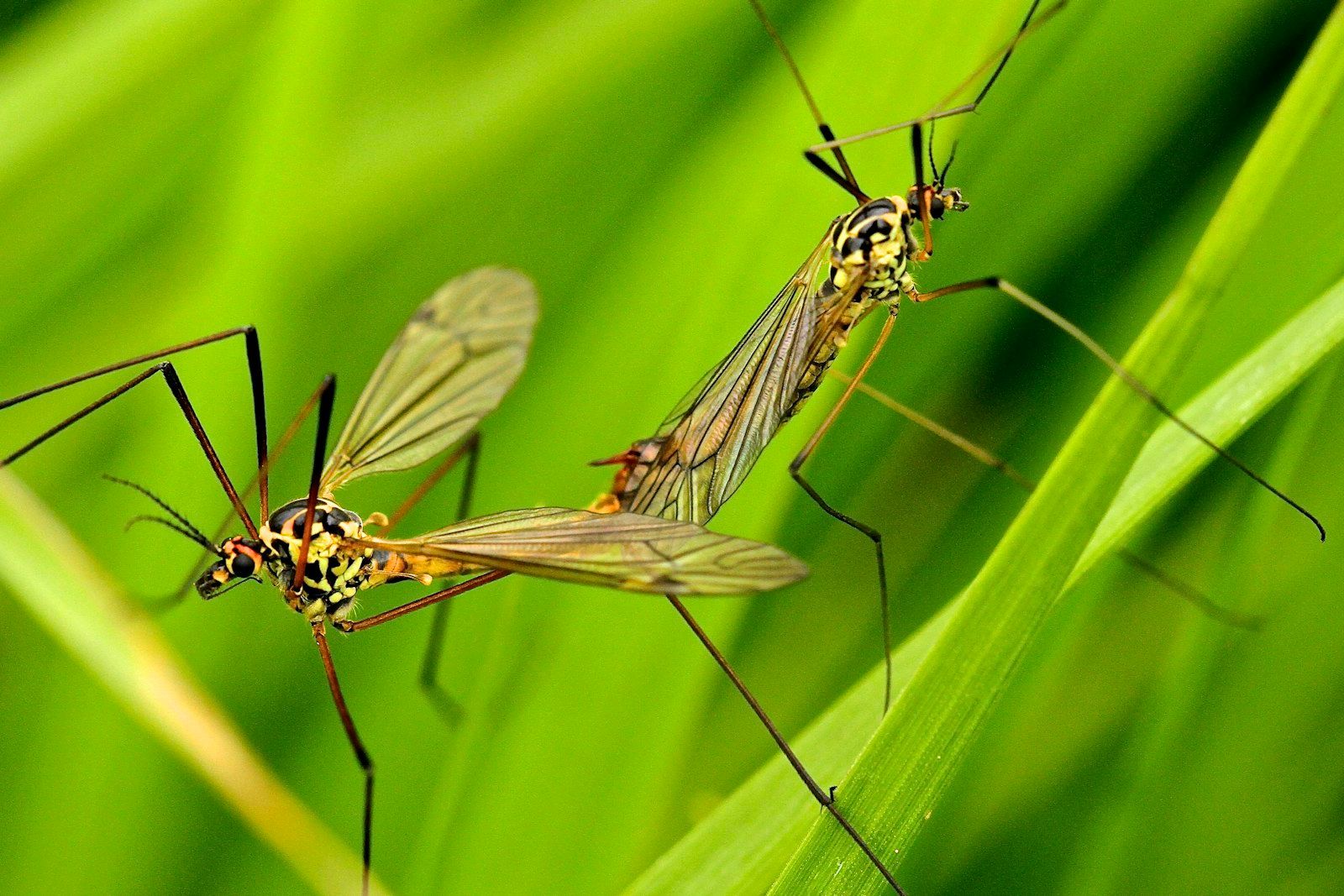
Culex annulirostris is a mosquito native to Australia, often called the common banded mosquito because of the pale bands on its legs and body. It breeds in still, warm water, including wetlands, irrigation channels, drains and backyard containers. NSW Health advises that some mosquitoes in NSW transmit viruses such as Japanese encephalitis, Ross River, Barmah Forest, Kunjin and Murray Valley encephalitis. The World Health Organization lists the Culex mosquito as transmitting Japanese encephalitis, lymphatic filariasis and West Nile fever. A vector is an organism that carries a pathogen from one host to another. Not every mosquito of this species carries a virus. Bites matter most when local virus activity is high, so knowing the season and the place helps you judge risk.
Why mosquitoes are a public health concern
The World Health Organization reports that vector-borne diseases account for more than 17% of all infectious diseases, causing more than 700 000 deaths annually. These illnesses can be caused by parasites, bacteria or viruses. That figure covers every vector, from ticks to sandflies, not mosquitoes alone. Still, it shows why health agencies treat mosquito control as routine public health work rather than a private nuisance. The same WHO guidance notes that many vector-borne diseases are preventable through protective measures and community mobilisation. Community mobilisation means neighbours, councils and health services acting together. For a household, the practical lesson is simple: reduce standing water, screen sleeping areas, and use an effective repellent when mosquitoes are active.
The viruses linked to this mosquito in Australia
Healthdirect Australia lists several mosquito-borne diseases in its guidance, including malaria, Dengue fever and the Zika virus. It also covers Barmah Forest virus infection, which it states is transmitted by mosquitoes and found only in Australia, and Murray Valley encephalitis, described as a rare illness caused by a mosquito-borne virus. Japanese encephalitis appears as a viral disease, with information on prevention, symptoms to watch for and when to seek medical help. Ross River virus infection is spread by mosquitoes, and symptoms include fever, rash and joint pain. Healthdirect notes that most people recover in a few weeks. These pages give readers a reliable way to check symptoms against a public source rather than a rumour.
When the risk is highest
NSW Health advises that in New South Wales most mosquitoes become active at dawn and dusk, and into the evening. During those hours, people should avoid the outdoors or take preventive action, such as wearing appropriate clothing and applying skin repellent. Warm, wet weather and standing water raise breeding. The World Health Organization also states that several vectors have expanded their latitude and altitude ranges, and the length of the season during which they are active is increasing. That does not mean every garden is dangerous. It means the risk window may be longer than people remember from childhood. Check local health advice for your area, and treat the first and last hours of daylight with extra care.
Repellents that public health agencies name
NSW Health states that the most effective repellents contain diethyl toluamide, known as DEET, picaridin, or oil of lemon eucalyptus, often shortened to OLE. Apply repellent to all exposed skin after sunscreen. That order matters: sunscreen first, then repellent. Read the label and follow the directions for age and repeat application. Physical barriers are real protection when they are correctly specified, intact and correctly used. That means well fitted screens on windows, mosquito nets over beds where appropriate, and loose long clothing that covers arms and legs. Clothing treated with insecticide can add a layer of protection. None of these measures is a guarantee, but together they lower the chance of a bite. NSW Health also advises applying repellent after sunscreen, so a reader should put sunscreen on first and then cover all exposed skin with the named repellent.
Reducing mosquitoes around the home
Mosquitoes need water to breed, so removing standing water removes habitat. Tip out buckets, plant saucers, old tyres and unused containers after rain. Keep gutters clear and cover rainwater tanks with intact screens. Change water in pet bowls and bird baths regularly. These steps are unglamorous, and they work. Community mobilisation, as the World Health Organization describes it, extends the same logic to the street and the suburb: shared drains, parks and building sites all hold water. If you notice a persistent breeding site on public land, report it to your local council. Public health agencies treat mosquito management as a shared task, not a job for one household alone. NSW Health repeats that mosquito bite prevention is the best way to reduce your risk of mosquito-borne diseases, which makes simple household water control worth the effort.
What to do if you feel unwell
Most mosquito bites cause only an itchy lump. Some carry viruses, and symptoms can appear days later. Healthdirect advises readers to watch for signs such as fever, rash and joint pain, and to seek medical help when concerned. For Japanese encephalitis, its pages explain how to prevent infection, which symptoms to watch for, and when to seek medical help. Speak to a clinician if you develop fever after bites, especially if you live in or have visited an area with known virus activity. Do not wait for a serious turn. Public health guidance is blunt about early advice and gentle with the person asking. Bring your travel and outdoor history to the appointment. NSW Health states plainly that mosquito bite prevention is the best way to cut your risk of mosquito-borne disease, so early advice from a clinician is sensible.
Sources
- Mosquitoes are a health hazard fact sheet: NSW Health
- Mosquito-borne diseases | healthdirect: Healthdirect Australia
- Vector-borne diseases: World Health Organization