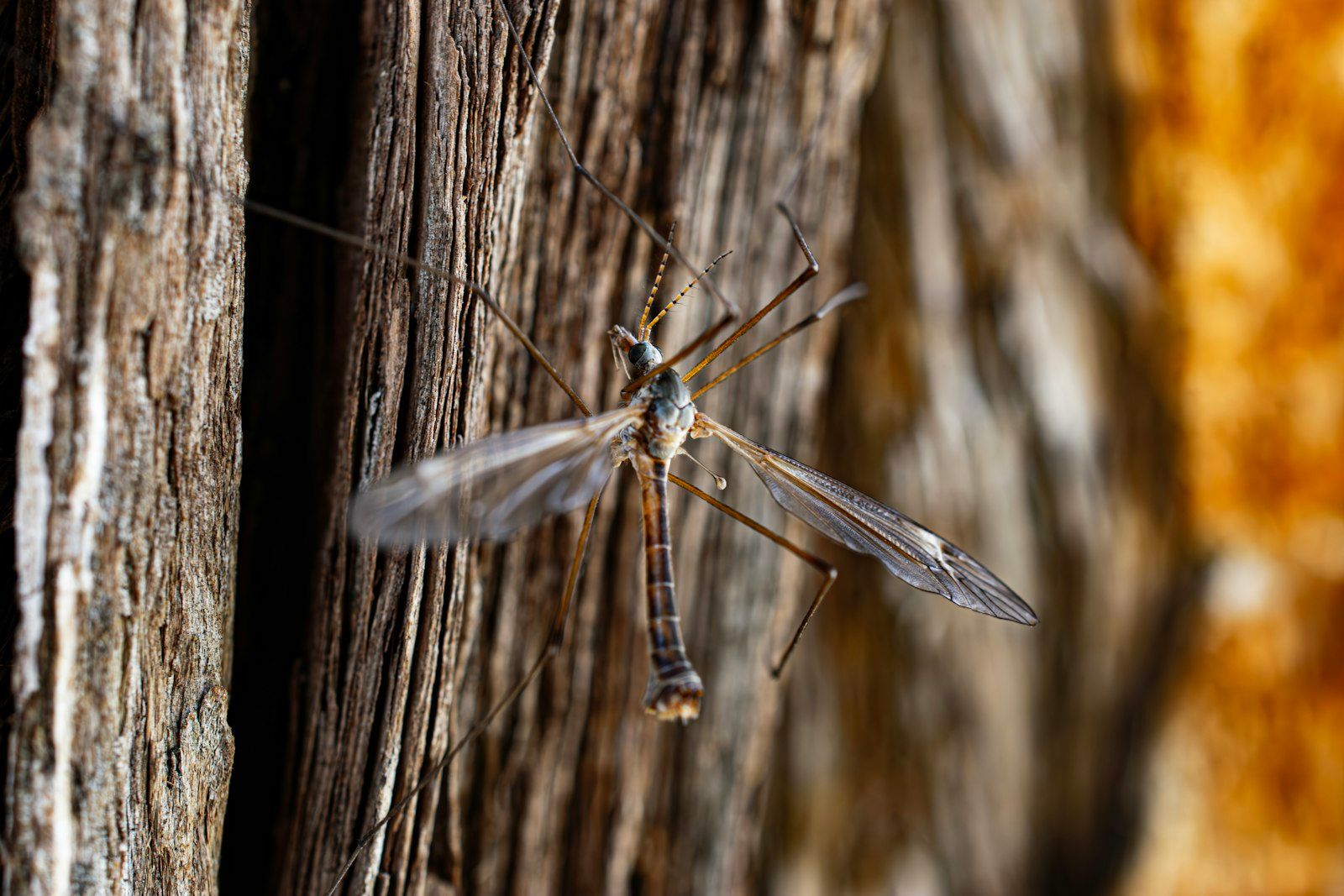
ECDC's Week 25 report covers Italy's first two locally acquired West Nile virus cases of 2026, one in Caserta and one in Firenze. They were the first locally acquired cases reported in Italy that season. Italy recorded 779 cases and 72 deaths in the 2025 season.
Italy has reported its first locally acquired human cases of West Nile virus for the 2026 season. Local press reported the first, a 70-year-old man in Caserta, in the southern region of Campania. The Comune di Bagno a Ripoli confirmed a case in an adult patient resident in the town on 12 June, in good clinical condition. The European Centre for Disease Prevention and Control's Communicable Disease Threats Report for Week 25 covers 13 to 18 June 2026 and includes a West Nile virus update.
The patient in Bagno a Ripoli was reported in good clinical condition. These were the first locally acquired cases reported in Italy in the 2026 season.
This article sets out what the numbers say, what the two-city pattern shows, and the measures that reduce exposure for households.
What the numbers say
The 2026 figures are small. Italy has recorded two locally acquired cases, in two locations. That is the country's whole locally acquired West Nile virus count for the year to mid-June.
The two cases carry weight because of the 2025 season they follow. Italy recorded 779 confirmed human cases and 72 deaths in 2025, a case-fatality rate of about 9.2 percent. Italy carried the largest single-country West Nile virus burden in the EU/EEA that year. In Europe, West Nile virus was associated with 97 deaths in 2025 (ECDC).
The 779 figure is ECDC's end-of-season, cross-country total. The Istituto Superiore di Sanità (ISS) runs Italy's integrated arbovirus surveillance under the national arbovirus plan (Piano Nazionale Arbovirosi). The plan tracks West Nile virus alongside Usutu virus.
The two June cases are the first of the season.
Two cities, not one cluster
Caserta and Firenze are not neighbours. Campania is in the south, and Toscana is in the centre of the country. The two cases are several hundred kilometres apart. Two distant cases are not a single local cluster. They are two independent points of local transmission, in two different regional mosquito populations, detected in the same reporting week.
The pattern shows that the conditions for Culex pipiens are present in more than one part of Italy this June. Culex pipiens is the common house mosquito that carries West Nile virus. It picks up the virus from birds and passes it on when it bites. The pattern does not show how large either local area will become, or whether more regions will follow. The scale of the season is not yet known.
The Istituto Superiore di Sanità runs integrated surveillance and publishes weekly bulletins. Any widening of transmission will appear in those bulletins early. For now, the season has opened in two places at once, and the next few weeks of bulletins will show whether it stays there.
How to reduce exposure
There is no widely deployed West Nile virus vaccine for the general public. There is no specific antiviral treatment. The measures that work keep the mosquito away from the person.
A physical barrier is the most reliable measure. A window screen or a net built to WHO standards keeps the mosquito out of the room. It does not depend on an active ingredient or on reapplication. It does not wait for a vaccine.
Chemicals and any future vaccines are additional measures with their own place. They are not the most reliable measure. The measure to rely on is the one that physically excludes the insect from the room you sleep in. The barriers-first approach is set out in the European vector season piece.
ECDC states that temperature is one of the important environmental variables modulating West Nile virus activity in Europe, affecting mosquito breeding and the extrinsic incubation of the virus. That helps explain why the season can open earlier, and in more places, than older maps assumed.
What to do at home
For households in or travelling to affected areas this summer, the practical response is simple and effective:
- Empty standing water on your property every week, including planters, pet bowls, blocked gutters and drain trays, anything that holds a few days of rain. Most breeding happens within metres of where people are bitten.
- Fit insect screens on bedroom and kitchen windows, and sleep under a net if you are in a transmission zone. This is the measure that keeps working.
- Treat aerosol sprays and plug-in diffusers as a secondary measure, not the first. They are useful at the margin and unreliable as your main protection.
- See a GP if you develop fever with headache and joint or muscle pain after being in an affected area, and mention where you have been.
This is general information, not a diagnosis. Most West Nile virus infections are mild or symptomless. A small minority become serious. Awareness and the physical barrier matter more than alarm.
What we are watching
Three questions will shape the next fortnight. The first is whether Caserta or Firenze widen into larger local areas. The second is whether other EU/EEA countries report their first 2026 West Nile virus cases. Several of them resumed enhanced national surveillance heading into the season. The third is what the next ECDC weekly bulletins show beyond Italy.
The Threat Map carries the live country-by-country surveillance picture. The data room holds the machine-readable incidence feed, now updated to reflect Week 25. The West Nile virus page keeps the topic view current. The season has opened in two Italian cities, and the 2025 season is the baseline it follows.
This article is general information, not medical advice. Ask a doctor or pharmacist about your own health.