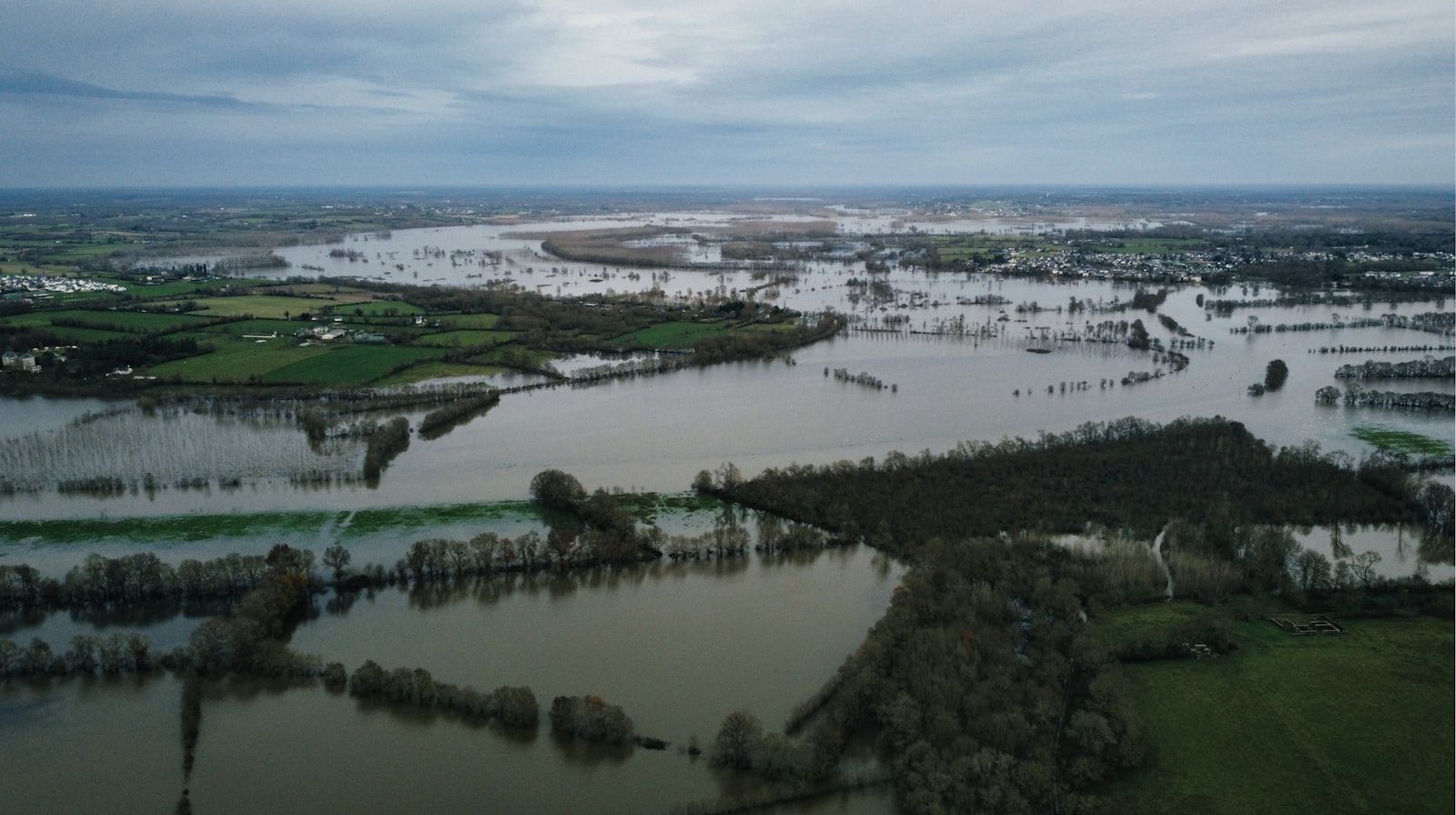
Receptivity means a region has the mosquito, climate and ecology that could support local transmission. It does not mean an outbreak has begun. This explainer separates vector presence from disease risk, shows the four conditions transmission needs, and sets out the practical steps households can control.
Receptivity means a place has the mosquito, climate and ecological conditions that could support local transmission. It does not mean an outbreak is under way. Disease still needs an introduction, suitable weather and a bite that passes the pathogen onward. That distinction turns a changing mosquito map into a practical risk guide.
The map is changing. In its June 2025 distribution snapshot, ECDC reported the Asian tiger mosquito in 369 regions across 16 EU/EEA countries. In 2013, the agency recorded 114 regions across 8 countries. By 2023, the total had reached 337 regions across 13 countries ECDC 2023.
The European Commission reported in January 2026 that Paris, Vienna and Zagreb have become suitable more recently for tiger mosquito establishment. That finding describes a climate trend. It does not predict an outbreak in any named city.
Does an established mosquito mean local disease?
No. ECDC defines receptivity as the presence and density of Aedes mosquitoes, plus ecological and climatic conditions that favour transmission. Vulnerability describes the chance that a pathogen arrives and escapes early control. Imported infection and the health system's detection capacity both affect vulnerability.
Local transmission starts only when receptivity and a pathogen introduction coincide. A region can therefore support the mosquito for years without recording a locally acquired case. ECDC calls such places predisposed when the vector is established but no local transmission has occurred during the current season.
This distinction matters because a distribution map shows where a mosquito can survive and reproduce. A disease map shows where a pathogen has completed a local transmission chain. They answer different questions.
Why the mosquito usually appears first
The Asian tiger mosquito, Aedes albopictus, spreads through trade and road travel. Used tyres and some ornamental plants can carry its eggs. The eggs resist drying and hatch when water returns.
That biology lets the mosquito reach a new area without carrying a human pathogen. It can then breed in plant saucers, blocked gutters, buckets and other small containers. Surveillance may find an established population while disease surveillance records no local cases.
A July 2026 study shows the same sequence with another invasive container mosquito. Researchers recorded Aedes japonicus in East Feliciana Parish, Louisiana, after Louisiana first detected the species in 2020. They still do not know whether it transmits arboviruses there [Erram et al. 2026]. The distribution finding comes first, while the disease role remains an open question.
Four conditions local transmission needs
A local mosquito-borne infection needs four conditions to align:
- A competent vector must be established and biting. The tiger mosquito can transmit dengue, chikungunya and Zika. Culex mosquitoes transmit West Nile virus.
- The pathogen must enter the local cycle. An infected traveller can introduce an Aedes-borne virus. West Nile usually enters through a bird and Culex cycle.
- The weather must support transmission. The virus needs enough warmth and time to develop inside the mosquito before that mosquito dies.
- An infected mosquito must bite another person. Bite prevention can interrupt this final step.
If one condition is absent, the chain does not close. Vector presence raises the need for surveillance, but it does not prove that local transmission is occurring.
France's first 2026 West Nile case shows the distinction
As of 16 July, Santé publique France reported France's first human detection of local West Nile circulation in 2026. The case was in Pyrénées-Orientales, in the Mediterranean south.
This was the first human detection of the 2026 French season, not France's first-ever West Nile event. It showed that the local Culex cycle had produced human infection in one area. It did not show equal risk across France.
West Nile uses a different mosquito from dengue and chikungunya. The same risk logic still applies. The vector, pathogen, weather and biting contact had to align in one place and time.
For the wider 22 July 2026 reading of this same Mediterranean Culex cycle, with ECDC recording 81 locally acquired human cases across six European countries and Italy the widest spread at 46 alongside Greece at 21, see the companion brief Mediterranean mosquito season 2026: what the Rome and Greece West Nile signals mean. Receptivity explains why the Culex cycle can close there at all; that brief shows where it has done so in the current season.
Put the health risk in proportion
A receptive region deserves attention, not panic. The World Health Organization says about 80 percent of West Nile infections cause no symptoms. About 1 in 150 infections becomes severe and can affect the nervous system.
The balance differs by disease. Most people with dengue recover within one to two weeks, but severe dengue can be fatal. Early medical care lowers that risk. Chikungunya rarely causes severe disease or death, but joint pain can persist for months or years.
These facts do not make the diseases trivial. They show why public-health agencies separate vector establishment, local transmission and severe outcomes. Each stage needs its own evidence and response.
What households can control
The regional map is not under household control. Bites and breeding sites often are.
- Empty or cover standing water every week. Check plant saucers, buckets, watering cans, gutters, toys and folded covers.
- Match protection to the mosquito's biting time. Tiger mosquitoes bite mainly by day. Culex mosquitoes are most active from dusk to dawn.
- Use physical barriers. Fit window and door screens. Use an intact, well-fitted mosquito net over beds, cots and daytime rest spaces.
- Use an effective repellent when exposure continues. Follow the label for DEET, picaridin or another product recommended by your public-health authority.
- Follow current local advice. A confirmed local case can change the recommended response during the season.
No single measure removes all risk. Source reduction lowers local mosquito numbers. Screens and nets reduce indoor contact. Clothing and repellents add protection when people remain exposed outdoors.
A region can become more receptive without becoming an outbreak zone. The calm response is to read the right map, check the current surveillance report and reduce avoidable bites.
Medical disclaimer
This article gives general public-health information, not medical advice. Risk changes during each transmission season. Check ECDC and your national or local health authority for current guidance. Seek medical care after mosquito exposure if you develop fever, rash, severe joint pain, confusion, neck stiffness or other worrying symptoms.
Sources cited
- ECDC, Aedes albopictus current known distribution: June 2025, updated 1 July 2025.
- ECDC, Increasing risk of mosquito-borne diseases in EU/EEA following spread of Aedes species, 22 June 2023.
- ECDC, Public health guidance for assessing and mitigating the risk of locally acquired Aedes-borne viral diseases in the EU/EEA, 1 July 2025.
- ECDC, Aedes albopictus factsheet for experts, updated 20 December 2016.
- European Commission, Paris, Vienna, Zagreb and other European cities will be more at risk of dengue, Zika and chikungunya, 14 January 2026.
- Santé publique France, reinforced arbovirus surveillance bulletin, 16 July 2026.
- Erram et al., New parish records for Aedes japonicus in Louisiana, USA, online 22 July 2026.
- WHO, West Nile virus.
- WHO, Dengue and severe dengue.
- WHO, Chikungunya.
Last updated 25 July 2026.