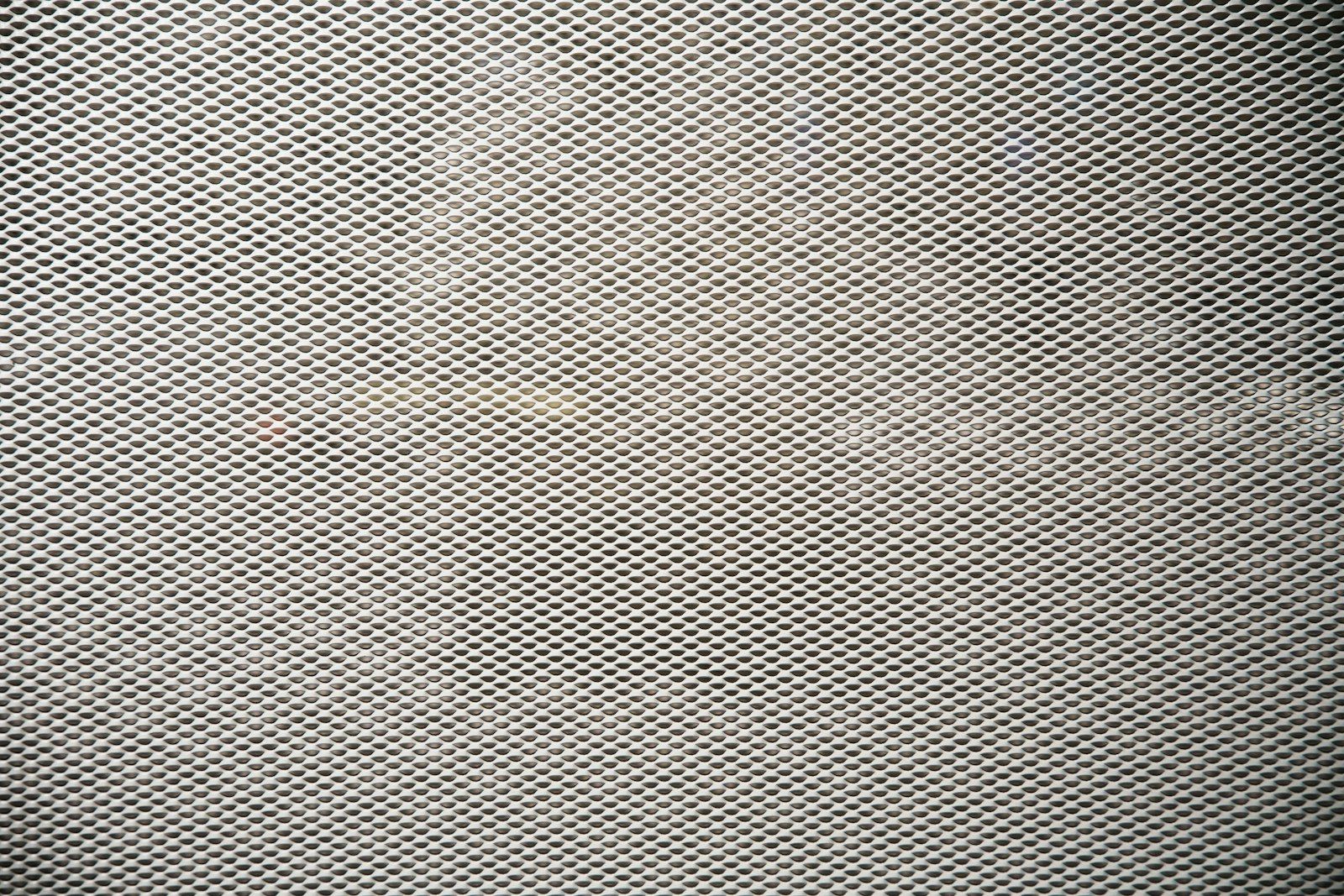
The Terrazza TE-UNO-U is a free-standing, 4 × 4 m, fully untreated mosquito-net gazebo for the terrace, the balcony and the courtyard. The mesh is 156-count polyester (25 holes per cm²), the shade roof is solid, the standing height is 3.0 to 3.5 m, the weight is 20 kg, the price is 150 EUR. It carries no permethrin, no WHO prequalification, no EU BPR authorisation. The barrier is purely geometric: a mesh fine enough that the tiger mosquito cannot pass through, with nothing on it that you breathe, touch or eat.
By Mosticare Editorial, 24 July 2026
Mosticare Terrazza TE-UNO-U: the untreated mosquito-net gazebo for the 4 × 4 m outdoor room
The Terrazza TE-UNO-U is a free-standing, 4 × 4 m gazebo of 156-count polyester mesh (25 holes per cm²), fully untreated, with a solid shade roof, four full-height mesh walls, a zip door, a weighted bottom hem and no floor. Standing height 3.0 to 3.5 m. Weight 20 kg. Price 150 EUR. Erected by two people from a carry bag. European development, three years of effective life in normal seasonal use. It belongs to the Mosticare family of untreated physical barriers, alongside the Terrazza TE-DUE-U, the bedroom canopy net, the Volto travel net, the Igloo baby canopy and the Apertura door roller blind. No permethrin, no WHO prequalification, no EU BPR authorisation, no GOTS, no OEKO-TEX, no disease or efficacy claim.
What the TE-UNO-U is
The TE-UNO-U is the square base of the Terrazza range. 4 × 4 m above whatever is already there, above paving, wooden decking or grass. It is not mounted to the ground; it stands on it. A solid shade roof throws real shade. Four full-height mesh walls enclose the seating area. A weighted bottom hem closes the gap between wall and ground. A zip door opens the entry. The gazebo is set up in under an hour by two people and packed into a carry bag of about 1.8 m × 30 cm.
The mesh is 156-count polyester, 25 holes per cm². The hole size is set against the body length of the Asian tiger mosquito (Aedes albopictus), which at four to six millimetres is smaller than the night-active Culex pipiens that European bedrooms have known for decades. The ECDC factsheet for Aedes albopictus documents the body measurements and the biology of the species; the mesh size of the TE-UNO-U is set so that the tiger mosquito cannot pass through it.
The TE-UNO-U is fully untreated. There is no permethrin impregnation on the mesh, no spray that wears off and needs re-application, no active substance that migrates into the room air, no active substance that transfers to food or to a child's surface. The barrier is the mesh, not the chemistry. The regulatory consequence is that the TE-UNO-U is not a biocidal product under Regulation (EU) 528/2012, the Biocidal Products Regulation, and cannot carry biocidal claims.
What the TE-UNO-U is not
This list belongs to the product framing, not as a footnote to it.
The TE-UNO-U is not an insecticide. It does not kill mosquitoes, does not poison mosquitoes, does not repel mosquitoes. It physically excludes them.
The TE-UNO-U is not a climate or cooling device. It does not cool the air inside. It reduces the direct solar radiation through the solid shade roof, which is not the same as a temperature drop. A household that needs the space itself cooler needs cross-ventilation, a ceiling fan, or air conditioning, where the network and the building fabric allow.
The TE-UNO-U is not permanent architecture. It is not designed for winter use, does not withstand storms above 60 km/h, and should be taken down before severe weather.
The TE-UNO-U is not a repellent. Repellents act on the skin, must be applied to the label and re-applied after a defined number of hours, and are an addition in the hours when the barrier is open, not a replacement for the barrier.
The TE-UNO-U is not a substitute for source reduction around the house. It protects the seating area under its roof. It does not reduce the Aedes albopictus population breeding in the saucers, gutters and containers around the terrace.
The TE-UNO-U is not a substitute for medical advice. It is a physical household product, not a travel or malaria-end-region choice.
Who needs the TE-UNO-U
The TE-UNO-U is for a household with a 4 × 4 m terrace, a courtyard, or an outdoor dining area, and that spends the evening hours there between May and September. It is the right answer when the evening hours at the household's own address sit inside the ECDC distribution map for Aedes albopictus, or in one of the European cities the European Commission named as growing-risk in January 2026. Frankfurt, Paris, Vienna, Amsterdam, Brussels and Zagreb sit on that list. For the rest of the ECDC distribution footprint, the 369 regions across 16 European countries, the same logic applies.
The households that need a TE-UNO-U are the households that sit on the terrace in the late afternoon and get bitten at that hour. Aedes albopictus has its first biting peak in the late afternoon and early dusk, with a second peak in the morning. The mosquito flies low, around ankles and shins. It is persistent rather than shy; a single mosquito bites several times in one sitting, because at the smallest disturbance it lifts briefly and lands again. The ECDC factsheet describes the biting behaviour.
The households that do not need a TE-UNO-U are households with a permanently enclosed dining area, a custom-built frame gazebo already installed, or a balcony surface under about 6 m², where the smaller Terrazza TE-DUE-U (3 × 6 m, the long narrow balcony) or the bedroom canopy net is the geometrically right answer.
How the TE-UNO-U is built
The build is designed for two people and takes about 40 to 60 minutes the first time, about 20 minutes from the second build.
Step 1. Open the carry bag, lift out the folded frame.
Step 2. Unfold the four corner posts and raise the frame. It is a pop-up steel frame that locks into its final form.
Step 3. Tension the solid shade roof over the corner posts. The standing height is 3.0 to 3.5 m, set by sliding the corner posts up to the required height.
Step 4. Hook in the four full-height mesh walls. Each wall carries a hook at the top that slots into the roof edge, and a sleeve at the bottom for the weighted hem.
Step 5. Lay the weighted bottom hem. It closes the gap between mesh and ground and stops mosquitoes entering under the wall.
Step 6. Close the zip door and secure it at the top with the hook-and-loop fastener.
Step 7. In exposed locations, fix the four corners to the ground. Manufacturer recommendation: four sandbags or four ground pegs at the corners. Take the gazebo down at the first sign of a storm.
The take-down is the reverse of the build. The mesh is rinsed off with a garden hose, dried in the shade and never machine-washed. A washing machine would damage the polyester fibre structure and change the mesh geometry.
The untreated material class, and why it is the right choice
The Mosticare product class of untreated physical barriers includes the Terrazza TE-UNO-U, the Terrazza TE-DUE-U, the bedroom canopy net, the Igloo baby canopy, the Volto travel net and the Apertura door roller blind. They share five properties.
First, fully untreated. No permethrin, no alpha-cypermethrin, no deltamethrin. No insecticide on the fibre that migrates into the room air or onto food.
Second, breathable polyester mesh of the same hole size. 156-count, 25 holes per cm², across the whole product class. The hole size is set against the biology of the tiger mosquito.
Third, no biocidal claims. The mesh is a physical barrier, not a biocidal product under Regulation (EU) 528/2012, the Biocidal Products Regulation. The regulatory consequence is that the TE-UNO-U carries no EU BPR authorisation and cannot carry one.
Fourth, no disease or efficacy claim. The TE-UNO-U reduces the number of bites on the seating area under its roof, by physically excluding the tiger mosquito. It does not prevent disease and is not a substitute for medical advice.
Fifth, repellents as an addition. DEET and picaridin on the skin, applied to the label, in the hours when the gazebo is open, complete the protection. They do not replace the barrier.
These five properties are why the TE-UNO-U and its sister products are compatible with infants, pregnant household members, chemically sensitive adults and households with chemical-sensitive constellations. They are also why the gazebo can stand over the dining table, over food, over children and over pets for hours at a time.
Pyrethroid resistance and the untreated answer
A peer-reviewed study by Liu B. et al. (PNAS, 2025) documents widespread pyrethroid resistance in Aedes albopictus populations in southern Germany, with resistance alleles progressing northwards into Hesse and North Rhine-Westphalia. Pyrethroid is the active substance class in which most plug-in vaporisers, insecticide sprays and a portion of pyrethrum-containing mosquito coils are formulated.
The resistance has two practical consequences for the household. First, pyrethroid-based plug-in vaporisers and pyrethrum-based coils work less well in the affected regions than they did ten years ago. Second, the purely mechanical answer gains relative weight: clear the standing water, put a physical barrier over the bed and over the terrace. The mesh size of the TE-UNO-U is geometric, not chemical; the resistance question does not arise here.
Choosing the right size
The choice between TE-UNO-U and TE-DUE-U is a geometric one, not a qualitative one. The TE-UNO-U is the square terrace, the courtyard, the dining area, the square poolside. The TE-DUE-U is the long balcony, the narrow terrace, the elongated poolside. The standing height, the mesh, the material, the build time and the price structure are identical across both sizes.
For a household with a classic European terrace of 3.5 × 4 m or 4 × 4 m, the TE-UNO-U is the geometrically right choice. For a long balcony of 3 × 6 m, it is the TE-DUE-U. Both sizes stand on the same pop-up steel frame, with the same mesh and the same untreated material class.
What is new for the TE-UNO-U in the 2026 season
The TE-UNO-U itself has been in the Mosticare range for three seasons. What has changed in the 2026 season is the external situation, not the product. Three points.
Five European capitals in the European Commission's risk set. The European Commission named five European capitals as growing-risk cities in January 2026, in which the risk from mosquito-borne disease is rising. Frankfurt, Paris, Vienna, Amsterdam, Brussels and Zagreb sit on that list. That is a political signal that local health authorities in the named countries have already folded into their public communication.
Pyrethroid resistance now in more northerly regions. The Liu PNAS 2025 study shows resistance alleles moving from southern Germany into Hesse and North Rhine-Westphalia. The purchasing priority for the household shifts further in the direction of physical barrier.
Heatwaves and the post-heatwave return. The Lancet Countdown Europe 2026 update documents heat-attributable mortality across continental Europe in 2025. The mosquito return after a heatwave is a predictable phenomenon, in which the eggs of Aedes albopictus survive the dry weeks in a dormant state and hatch in synchrony after the first rain. The household that completes the source reduction in the week after the first rain and has the physical barrier already over the terrace breaks the cycle at its narrowest point.
What to do in the summer of 2026
These five steps cover the terrace for the 2026 season:
- Clear the standing water. Empty the saucers or fill them with sand, turn the watering cans over, clear the gutters, cover the water butts, remove children's toys from the balcony that collect water.
- Erect the TE-UNO-U over the terrace as soon as the evening hours fall inside the biting window. The build date is weather-dependent, in southern Europe typically late May, in central Europe early June, in northern Europe mid-June.
- Apply DEET or picaridin to the skin, to the label, in the hours when the gazebo is open. The barrier is the addition, not the replacement.
- Repeat the source reduction after the first rain following a heatwave. The eggs from the previous season hatch in synchrony.
- Take it down before a storm, rinse it off with a garden hose, dry it in the shade, never machine-wash it.
What to watch
The Robert Koch-Institut (Germany), Santé publique France, the Istituto Superiore di Sanità (Italy), the Rijksinstituut voor Volksgezondheid en Milieu (Netherlands), Sciensano (Belgium) and the AGES (Austria) publish weekly or monthly vector and arbovirus bulletins through the season. The ECDC updates its Aedes albopictus distribution maps in April and September. The European Commission named five European capitals as growing-risk cities in January 2026. The ECHA active-substance register and the Biocidal Products Regulation list show whether a new repellent active is moving through the European assessment pipeline. A household in one of the named growing-risk cities, or elsewhere in the ECDC distribution footprint, is in a known established area for tiger mosquito exposure, and the physical barrier plus source reduction are the right answer for the season.
Sources
- European Centre for Disease Prevention and Control. Factsheet, Aedes albopictus. Biology, body length, diurnal biting peak at dusk, flight range, vector capacity. https://www.ecdc.europa.eu/en/disease-vectors/facts/mosquito-factsheets/aedes-albopictus
- European Centre for Disease Prevention and Control. Invasive mosquito maps, update April 2026. Aedes albopictus established in 369 regions across 16 European countries; new introduction of Aedes aegypti reported in Luxembourg. https://www.ecdc.europa.eu/en/disease-vectors/surveillance-and-disease-data/invasive-mosquito-maps
- European Commission, Directorate-General for Environment. Communication of 14 January 2026 on mosquito-borne disease risk in European cities. Names Frankfurt, Paris, Vienna, Amsterdam, Brussels and Zagreb among the growing-risk cities. https://environment.ec.europa.eu/news/paris-vienna-zagreb-and-other-european-cities-will-be-more-risk-dengue-zika-and-chikungunya-2026-01-14_en
- European Chemicals Agency. Biocidal Products Regulation, Regulation (EU) 528/2012. Biocidal-product framework applicable to insecticide-treated nets; not applicable to untreated physical barriers. https://echa.europa.eu/regulations/biocidal-products-regulation/understanding-bpr
- Liu B. et al. Widespread pyrethroid resistance in Aedes albopictus across southern Germany. PNAS, 2025.
- The Lancet Countdown Europe 2026. Update of heat-health indicators across continental Europe.
Classification: product resource for the Mosticare Terrazza TE-UNO-U in line with the untreated product canon. Re-published on material finding change.
Last updated: 24 July 2026.