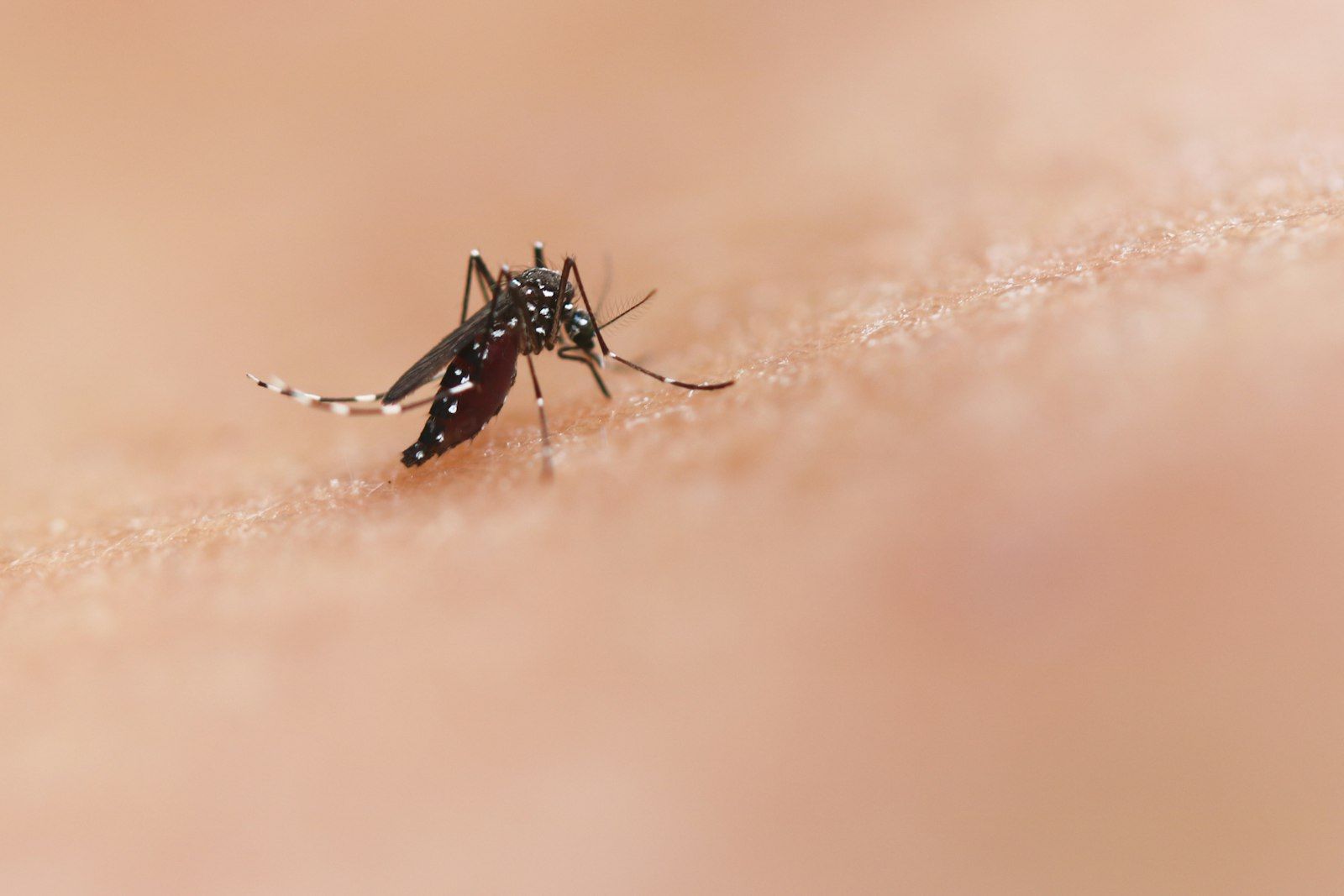
Sri Lanka's Presidential Secretariat convened a dengue progress review on 3 July 2026 of the 23 June dengue-prevention circular, chaired by Secretary to the President Dr Nandika Sanath Kumanayake with the Chief of Staff and the Health Ministry Secretary in attendance. The civilian-bureaucratic escalation is rare, and the "public bore a significant responsibility" framing is unusually direct for a Sri Lankan Presidential Secretariat meeting communiqué. Action items translate directly into household behaviour: sustain household-cleaning initiatives, eliminate high-risk zones, intensify fumigation. The Presidential Secretariat just placed household responsibility at the top of the Sri Lankan dengue response stack, and the civilian-bureaucratic escalation frame is durable through Q3 2026.
Sri Lanka's Presidential Secretariat convened a dengue progress review on 3 July 2026 of the 23 June dengue-prevention circular, chaired by Secretary to the President Dr Nandika Sanath Kumanayake. Chief of Staff Prabath Chandrakeerthi and Health Ministry Secretary Dr Anil Jasinghe attended. The action items were the kind that sit on top of, not below, the military-drones story already in the news cycle. Strengthen the Public Health Inspectors. Sustain household-cleaning initiatives. Use accurate data to eliminate high-risk zones. Intensify fumigation.
The unusual line is the framing of public responsibility. The civilian-bureaucratic escalation layer is rare. Most dengue responses stay inside the Health Ministry or the municipal authorities. Bringing the Secretary to the President, the Chief of Staff, and the Health Ministry Secretary into a single review is the institutional signal that the 2026 dengue response has crossed a civilian-bureaucratic threshold.
Why the civilian-bureaucratic escalation matters for consumer messaging
The dengue-progress-review configuration is the kind of source that any consumer-responsibility editorial can cite. The "public bore a significant responsibility" framing is unusually direct for a Sri Lankan Presidential Secretariat meeting communiqué, and it is the kind of line that travels well across markets. The four-action-item structure, named individually in the meeting communiqué, gives any consumer-facing editorial four quotable vectors without needing to paraphrase the institutional framing.
The action items translate directly into household-level behaviour. Sustain household-cleaning initiatives means the containers, the drains, the roof gutters, the refrigerator trays, the air-conditioner condensate pipes, the ornamental plant saucers. Use accurate data to eliminate high-risk zones means Public Health Inspectors mapping breeding sites at the neighbourhood level. Intensify fumigation is the institutional vector-control response, not the household response. Strengthen Public Health Inspectors is the institutional capacity response, not the household response.
The household response is sustain household-cleaning initiatives, and the Presidential Secretariat just placed that phrase at the top of the dengue response stack. The escalation layer matters because it converts the dengue story from a clinical frame into a household frame, and the household frame is where consumer-facing editorials actually land in South Asia. The technical-vector-control layer (military drones, fumigation) sits in the background; the civilian-bureaucratic escalation sits in the foreground; the household response is what the editorial reader actually walks to at the end of the article.
What the Presidential Secretariat review does NOT say
The review does not position Sri Lanka as having failed at dengue control. It does not denigrate any household or community. It does not position fumigation as the only institutional answer. It does not position military drones as the only vector-control response. It does not position Mosticare's own products as the institutional answer to Sri Lanka's 2026 dengue response.
The review positions the Presidential Secretariat as the civilian-bureaucratic escalation layer that 2026 dengue control requires. The household responsibility is one of the four action items, and it is the one that translates directly into the consumer-protection editorial frame.
What to watch next
The Sri Lanka military-drones dengue operation (covered in the 07-03 brief) is the technical-vector-control layer. The Presidential Secretariat review is the civilian-bureaucratic escalation layer. The next Presidential Secretariat review meeting is expected within two to three weeks of the 3 July session, and the action-item status report will be the operational signal that the 2026 dengue response is delivering against the institutional escalation.
The Daily Star Bangladesh dengue and measles double whammy editorial (3 July 2026) is the South Asian mirror: simultaneous dengue surge plus 900-plus daily measles admissions equals a single-system stress test. The Jagonews24 daily-cadence dengue tally (4 July 2026: 2 more dengue deaths, 157 new hospitalisations in 24 hours) is the granular operational signal that the South Asian autochthonous-transmission window is actively open right now.
The civilian-bureaucratic escalation frame is durable through Q3 2026 and into the 2026 monsoon-end season-close window. The four-action-item structure gives any DACH-market or DACH-adjacent editorial a quotable source that travels across markets, and the household-responsibility framing sits at the intersection of the institutional escalation and the household decision. Any consumer-protection editorial cycle that runs through Q3 can cite the Sri Lankan Presidential Secretariat review as the institutional peg and translate the four action items into the household frame without paraphrasing the institutional language.
The 23 June dengue-prevention circular is the institutional baseline, and the 3 July review is the institutional escalation. The next milestone is the action-item status report that the Presidential Secretariat will publish after the next review meeting, expected within two to three weeks. That status report will be the operational signal that the 2026 dengue response is delivering against the institutional escalation layer, and it will set the editorial cadence for the rest of Q3.
Published 2026-07-04 · Mosticare Editorial