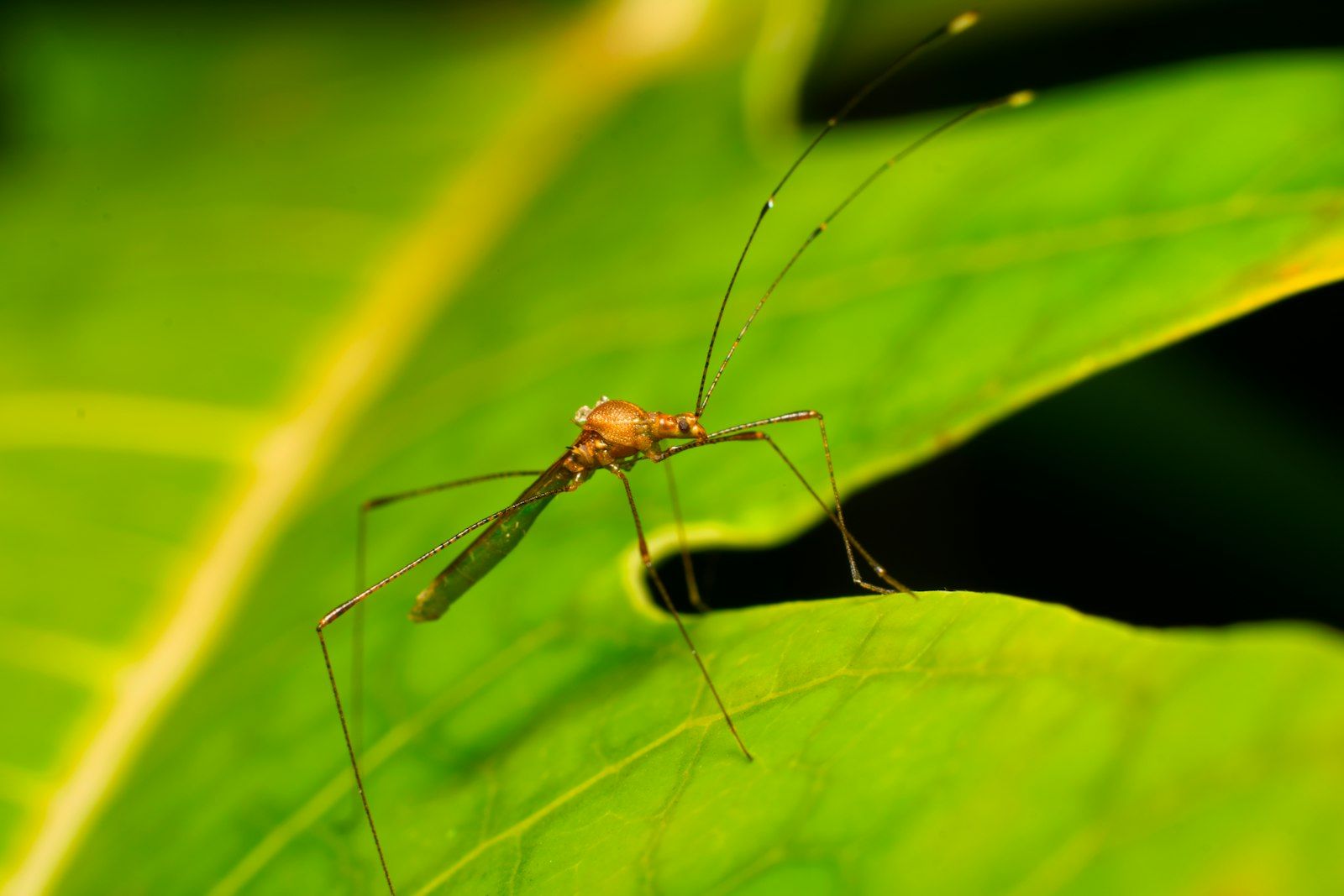
ÖKO-TEST reported in the first week of July 2026 that warm, humid conditions may drive a heavier German mosquito season. The article names the native Culex pipiens populations and the advancing Aedes albopictus populations. Its prevention guidance is barrier-first: long loose clothing, a registered repellent applied according to the label, and removal of standing water around the home.
ÖKO-TEST, the German consumer magazine, reported in the first week of July 2026 that warm, humid 2026 conditions may drive a heavier-than-usual Stechmücken (mosquito) season. The article covers the native Culex pipiens populations that drive the traditional German summer mosquito season. It also covers the advancing Aedes albopictus populations that have moved north and west over the last decade. Its prevention guidance is barrier-first: long loose clothing, a registered repellent applied according to the label, and removal of standing water around the home.
What the ÖKO-TEST article reports
The ÖKO-TEST article makes three points. It states that the 2026 season may be heavier than usual. It names the native Culex pipiens populations and the advancing Aedes albopictus populations. It recommends barrier protection as the response that works against both species.
The native Culex pipiens populations carry West Nile virus. The t-online.de article of 16 June 2026 reports that Berlin's Charité researchers collected 24,000 mosquitoes. Infection rates in Berlin were 0.6 to 6 percent in 2023 and 0.2 to 2 percent in 2024. Five Berlin cases were reported in 2025. Those figures describe the German endemic picture for West Nile virus. Aedes albopictus carries chikungunya, dengue, and Zika viruses, and it has moved north into Hamburg and Schleswig-Holstein over the last decade.
Barrier protection works against both species. Three measures reduce exposure to Culex and Aedes mosquitoes. They are long loose clothing, a registered repellent applied according to the label, and removal of standing water around the home. The Patzina-Mehling et al. paper in Nature Communications on 12 June 2026 (PMID 42285951) examined Berlin. It found that urban land cover shapes West Nile virus amplification. That finding describes the same urban environment in which households manage their own mosquito exposure.
For a household, the practical steps are to cover up, apply repellent according to the label, and check the garden for standing water after rain.
What the ÖKO-TEST article does not claim
The article does not use emergency framing for Aedes albopictus in Germany. It does not criticise any repellent chemistry, household product, or vector-control programme.
The article recommends barrier protection for a season that may be heavier than usual, across both native Culex and advancing Aedes albopictus.
What to watch
The Hamburger Morgenpost published a mosquito advisory on 3 to 4 July 2026 for Hamburg and Schleswig-Holstein, areas where Aedes has traditionally been absent. Le Républicain Lorrain reported on 2 July 2026 on Lorraine. It said the tiger mosquito cannot be ruled out there in the long term, even as native Culex activity falls during peak heat.
The barrier-first advice applies through the summer. Three measures reduce exposure to both Culex and Aedes mosquitoes. They are long loose clothing, a registered repellent applied according to the label, and removal of standing water around the home.
Published 2026-07-04 · Mosticare Editorial
This article is general information, not medical advice. Ask a doctor or pharmacist about your own health.