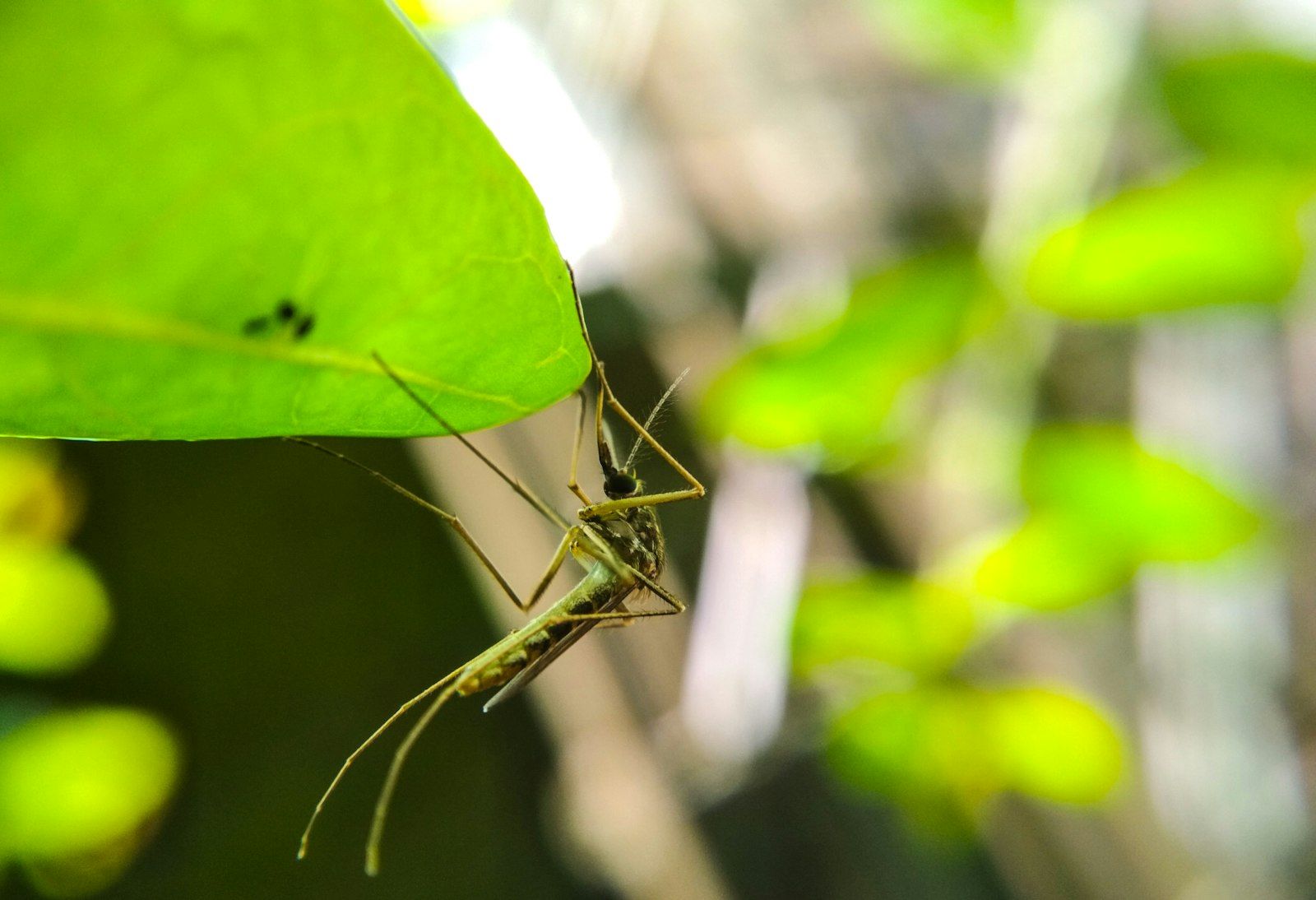
Aedes albopictus expands northward at 20 km per year. Here's what that means for prevention this summer.
The Asian tiger mosquito (Aedes albopictus) is no longer a Mediterranean problem. It is a European problem. Recent ECDC surveillance shows the species advancing northward at roughly 20 kilometres per year, with established populations now reaching cities that have never had to think about mosquito-borne disease.
Why this matters
Aedes albopictus is the primary vector for dengue, chikungunya, and Zika in Europe. The European Commission warned in January 2026 that Paris, Vienna, Zagreb, London, and Frankfurt all face dengue transmission risk.
Unlike the native Culex pipiens (which mostly bites at night and lays eggs in stagnant water), the tiger mosquito is a daytime biter that breeds in containers as small as a bottle cap. That makes prevention harder.
What works
- Physical barriers first. A bed net or a fitted window screen stops the mosquito before it bites. No chemicals on your skin.
- Eliminate standing water. Saucers under flower pots, gutters, kids' toys left outside in the rain. Empty them weekly.
- Cover up at dawn and dusk. Long sleeves and trousers in light colours.
What does not work
Citronella candles. Ultrasonic devices. Vitamin B1 supplements. None of these have credible evidence behind them.
Bottom line
Treat your home like the front line. The tiger mosquito has moved in. Prevention starts at the window screen, not the spray bottle.