ECDC's Communicable Disease Threats Report for Week 25 (data to 17 June, published 18 June) confirms the EU/EEA West Nile virus 2026 season is open: two countries, three cases, three affected areas, zero deaths. Italy is the first mainland EU/EEA country with locally-acquired 2026 transmission.
The European Centre for Disease Prevention and Control's weekly Communicable Disease Threats Report for Week 25, published on 18 June with data current to 17 June, opens the 2026 mainland West Nile virus season. The headline regional tally is small but unambiguous: two EU/EEA countries, three human cases, three affected areas, and no deaths so far.
Italy is the first mainland EU/EEA country to register a locally-acquired 2026 West Nile virus case. The Italian case load is two: one in Caserta (Campania, NUTS3 ITF31) and one in Bagno a Ripoli in the metropolitan area of Firenze (Toscana, NUTS3 ITI14). Campania's case is a 70-year-old man from Grazzanise; Toscana's is a patient whose admission triggered the regional mosquito-control response. North Macedonia carries the third case, a single patient reported in Vardar three weeks earlier, putting the country alongside Italy as the only two EU/EEA members with 2026 autochthonous transmission on the ECDC dashboard.
The baseline that the 2025 season set remains the calibration point. Italy recorded 779 locally-acquired West Nile virus cases and 72 deaths in 2025, with a case-fatality rate of 9.2 percent. That is the level the surveillance system is built to detect, and the level the prevention layer is built to anticipate. Three cases, three areas, and no deaths is not a 2025 outcome, it is the first week of what could become one if the conditions that produced 779/72 in 2025 repeat in 2026.
The Italian 2026 plan is the Piano Nazionale Arbovirosi (National Arbovirus Plan), coordinated by the Istituto Superiore di Sanità through EpiCentro. The plan integrates entomological surveillance, veterinary surveillance of equine and avian reservoirs, and human-case reporting into a single weekly data flow that feeds the ECDC Surveillance Atlas of Infectious Diseases. The Atlas underwrites the ECDC Weekly Bulletin, and the Weekly Bulletin underwrites every public-facing communication a national programme will issue this summer. The data chain is working as designed.
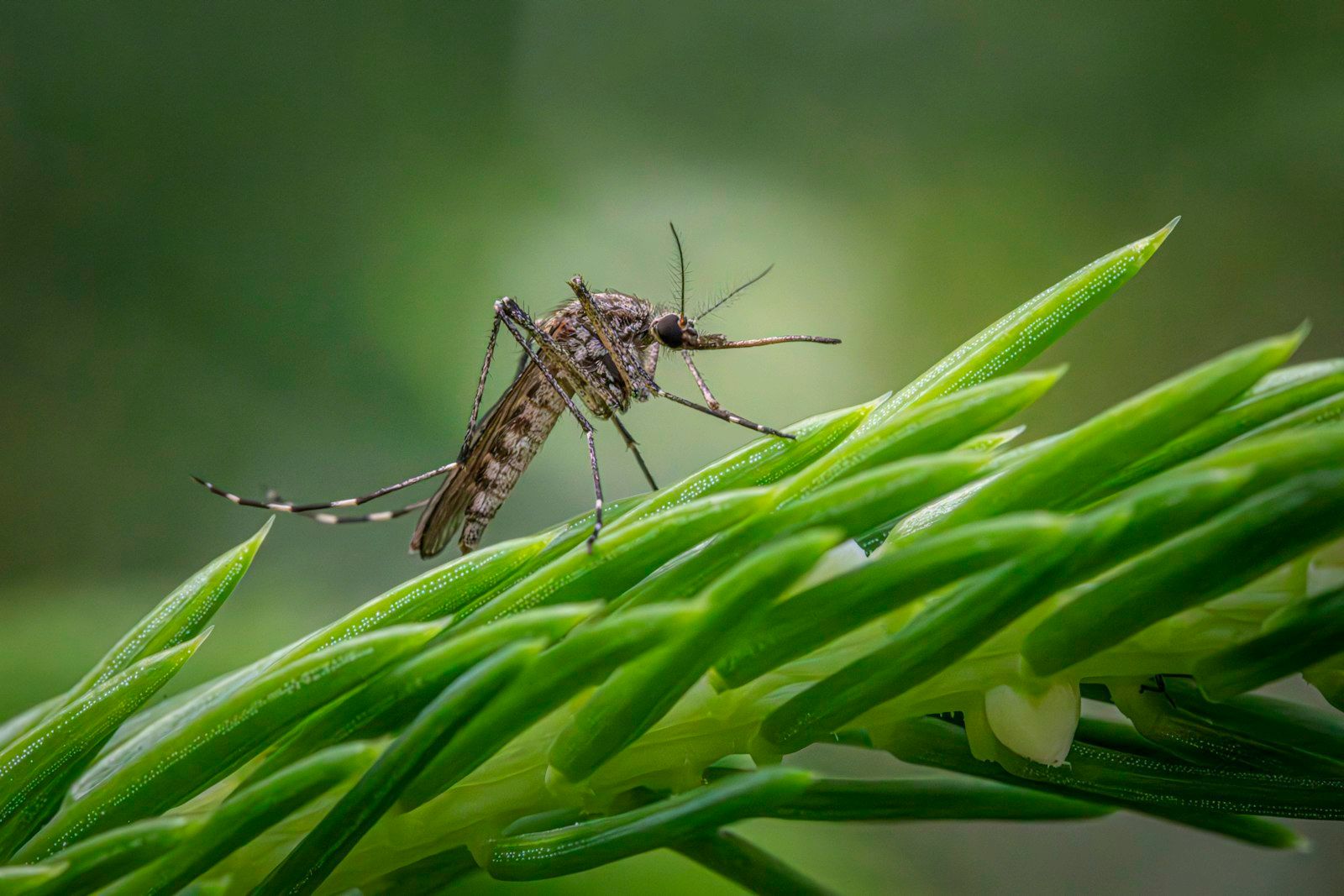
The Culex pipiens vector is established across most of lowland and peri-urban Europe, and the 2026 spring has been warmer than the 1991-2020 baseline across the Mediterranean and the Balkans. Warmer springs advance the extrinsic incubation period of West Nile virus inside the mosquito, shortening the window between the first viraemic bird and the first human spillover case. ECDC's own modelling, and the AGI "Pazzo clima" Italian press framing of a 20-percent-per-degree vector-borne infection risk increment, point in the same direction.
What to do
- In Caserta, Firenze, and the NUTS3 areas flagged this week: follow the regional health authority guidance, reduce outdoor exposure at dawn and dusk when Culex pipiens bites most actively, and use a skin-applied repellent on exposed skin.
- In the rest of mainland EU/EEA: the season has opened but the geographic spread is still narrow. Treat this as the right week to verify the home front, empty saucers, clear gutters, refresh the barrier products on the patio, not the right week to declare a continent-wide emergency.
- For clinicians in Toscana, Campania, and Lazio: include West Nile neuroinvasive disease in the differential for unexplained encephalitis in patients over 50, even in the absence of travel history.
- For public-health communicators: the ECDC Weekly Bulletin is the upstream source. Quote the bulletin, not the secondary press summaries of the bulletin.
Published 2026-06-20 · Mosticare Editorial
This article is general information, not medical advice. Ask a doctor or pharmacist about your own health.